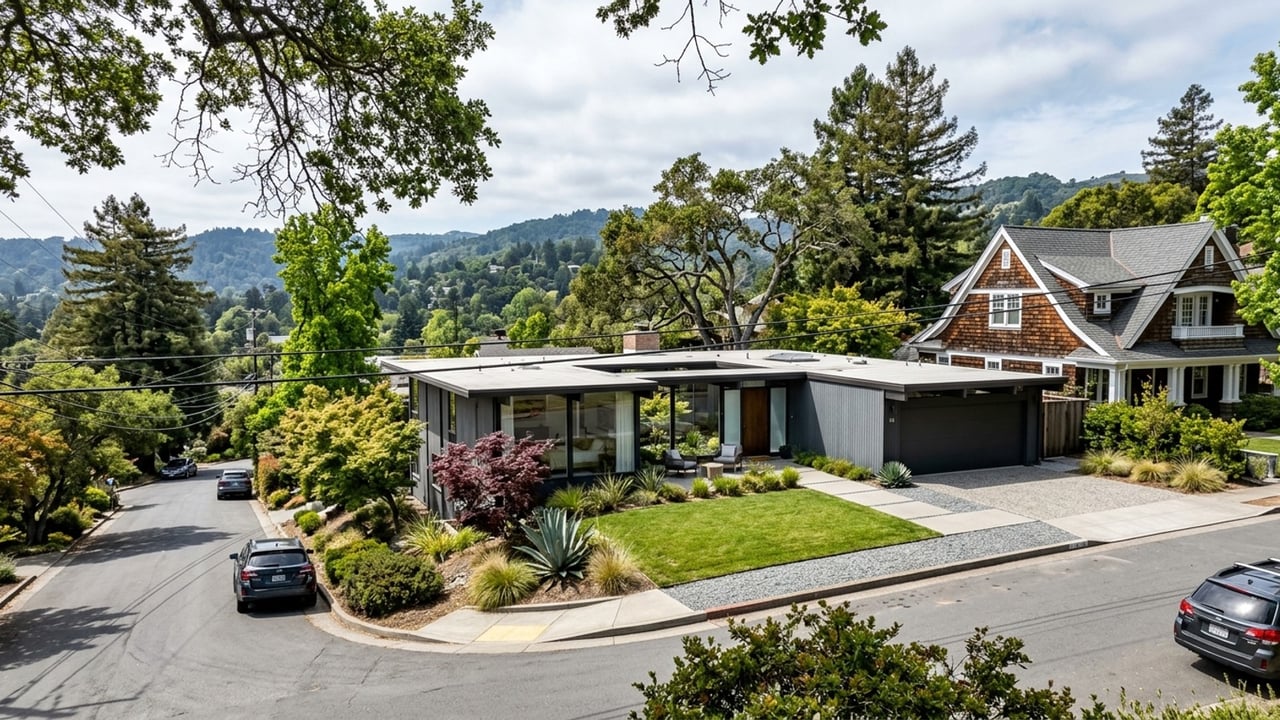
Buying a property in Marin County requires strategic planning, especially when looking at the 94941 zip code. The local market presents a high barrier to entry, but the area's direct proximity to Highway 101 and efficient commute times to San Francisco make it highly sought after. Access to the trails of Mount Tamalpais State Park adds to the objective appeal of the location.
While the median prices often dominate the headlines, there are viable pathways for moderate-income residents to purchase property here. Securing the right funding can make the difference between renting indefinitely and owning a piece of Marin County. Understanding the available financial assistance and homebuyer programs in Mill Valley, CA is the first crucial step toward making a purchase a reality.
Navigating Homeownership in Mill Valley, CA
The reality of the 2026 housing market in Mill Valley is that buyers need substantial capital or targeted assistance to enter the market. Single-family homes in the area currently range between $1.8 million and $2.4 million. Condominiums offer a slightly lower entry point, generally ranging from $800,000 to $1.2 million.
These price points mean that standard conventional loans with 20 percent down are out of reach for many local workers. Fortunately, local, county, and state programs exist specifically to bridge this gap for first-time buyers. Tapping into these resources allows moderate-income households to establish long-term roots in this specific market.
Understanding the nuances of these financial tools is essential for navigating the current landscape. Buyers who leverage these options often find that homeownership is much closer than standard market data suggests. Working with a lender who understands Marin County guidelines will streamline the entire approval process.
Understanding Marin County Income Limits and Eligibility
Eligibility for most affordable housing programs relies heavily on the Area Median Income, commonly referred to as AMI. This metric determines the baseline for what local and state agencies consider low or moderate income for a specific region. Because Marin County has one of the highest earning demographics in the state, the AMI thresholds are notably higher than national averages.
For 2026, the Marin County Area Median Income sits at approximately $186,600. Under these guidelines, a four-person household earning this amount qualifies as moderate-income for many local initiatives. Meanwhile, a household of four earning around $156,650 falls into the low-income bracket for state-level assistance.
These specific limits dictate whether a buyer can apply for Below Market Rate programs or secure specialized California state loans. Buyers must verify their precise income bracket before applying, as program guidelines strictly enforce these caps. Knowing exactly where your household stands against the current AMI is the foundation of a successful assistance application.
Local Homebuyer Programs in Mill Valley and Marin County
The Marin Housing Authority plays a central role in managing local affordability initiatives. One of the most impactful options is the Below Market Rate ownership program, which provides deed-restricted single-family housing and condos to moderate-income residents of Marin County. These properties are sold at prices significantly lower than the open market, though their future resale value is capped to maintain affordability.
Beyond restricted properties, the Marin Housing Authority also issues Mortgage Credit Certificates to eligible buyers. This certificate program reduces ongoing loan costs by allowing homeowners to claim a federal tax credit for a portion of the mortgage interest paid each year. It essentially increases a buyer's disposable income, making monthly payments more manageable over the life of the loan.
Existing lower-income homeowners can also access local rehabilitation loans and grant programs intended for property repair assistance. Municipal initiatives, such as local workforce housing programs, further encourage property owners to house local workers. These combined efforts create a localized safety net that supports both new buyers and current residents struggling with upkeep costs.
Navigating these local options requires early preparation and consistent communication with county agencies. Waitlists for restricted properties can be lengthy, making it crucial to submit applications well before you intend to move. Staying proactive ensures you are ready to act when a suitable property becomes available.
Statewide Financial Assistance: CalHFA and Down Payment Grants
For buyers who cannot find a local deed-restricted property, state-level resources offer powerful alternatives. The California Housing Finance Agency, known as CalHFA, provides several loan and grant options focused heavily on down payment assistance. Their MyHome Assistance Program is particularly popular, offering deferred-payment loans to cover down payments and closing costs.
Depending on the specific loan type, the MyHome program provides up to 3.5 percent or 3 percent of the purchase price in assistance. Another major statewide option is the California Dream For All program, which operates on a shared appreciation model. This initiative offers up to 20 percent of the purchase price in a shared appreciation loan, drastically reducing the upfront capital required in 2026.
To utilize these state resources, applicants must meet standard borrower requirements. You generally must be a first-time homebuyer, meet specific credit score minimums, and adhere to strict primary owner-occupancy rules. Securing state funds requires pairing the assistance with an approved first mortgage through a certified lender.
State funding pools can deplete quickly, so timing your application is a critical component of the process. Buyers should secure their program pre-approvals early in the year to maximize their chances of receiving funds. Partnering with a real estate professional experienced in state grants will help you navigate these strict timelines.
Federal Rural Programs: USDA Loans in Eligible Areas
While downtown Mill Valley is highly developed and clearly suburban, the surrounding geography includes areas that qualify for federal rural assistance. Certain unincorporated or peripheral county regions fall within the eligible zones for USDA Rural Development single family housing direct home loans. These federal programs are designed to promote homeownership in less dense areas for lower-income applicants.
The core benefit of a USDA home loan is the zero down payment requirement, which removes the biggest hurdle for most buyers. These loans also feature subsidized interest rates, making the monthly carrying costs significantly lower than standard conventional mortgages. Expanding your property search just outside the main city limits can unlock these powerful federal benefits.
The USDA also provides specific support for existing homeowners in these rural-designated zones. Home repair grants and loans are available to very-low-income seniors under USDA guidelines. This ensures that long-term residents in peripheral areas can maintain their properties safely without taking on unmanageable debt.
Determining exact boundary lines for federal rural eligibility requires checking specific property addresses against the official USDA map. Buyers are often surprised to find that properties just a short drive from the city center still qualify. This makes exploring the unincorporated edges of the county a highly rewarding strategy.
Budgeting for Closing Costs, Property Taxes, and Fees
Securing the purchase price is only one part of the financial equation when buying property in California. Buyers must also budget for standard closing costs, which typically range from 2 percent to 5 percent of the total home value. These funds cover lender fees, title insurance, escrow charges, and local transfer taxes required to finalize the transaction.
Ongoing property taxes are another major consideration for any Marin County buyer. The effective property tax rate in Mill Valley is approximately 1.41 percent, which includes standard county taxes alongside local bonds and parcel taxes. These local levies directly support community amenities, such as the highly utilized Mill Valley Community Center.
Buyers must also account for additional monthly carrying costs beyond the mortgage and taxes. Condominium purchases almost always include homeowners association dues, which cover exterior maintenance and shared amenities. Hazard insurance and municipal service taxes will further impact your monthly budget, so calculating these figures upfront is essential for long-term financial stability.
Frequently Asked Questions About Mill Valley Housing Programs
What is considered low-income in Marin County?
Due to the exceptionally high regional Area Median Income, the low-income threshold is higher here than in most of the country. For 2026, a family of four earning around $156,650 or less is considered low-income by state standards. This classification allows households to apply for specific state and county housing assistance programs.
How do you qualify for housing assistance in California?
Applicants must first fall within the specific income limits established for their target county. You must also purchase the property as a primary residence and intend to live there long-term. Additionally, most state programs require buyers to complete a certified homebuyer education counseling course before closing.
What down payment assistance programs are available for Mill Valley buyers?
Buyers can access the CalHFA MyHome Assistance Program for deferred-payment loans covering upfront costs. The California Dream For All shared appreciation loan offers up to 20 percent assistance for eligible buyers. Local Below Market Rate opportunities also serve as a crucial pathway for reducing the total purchase price.