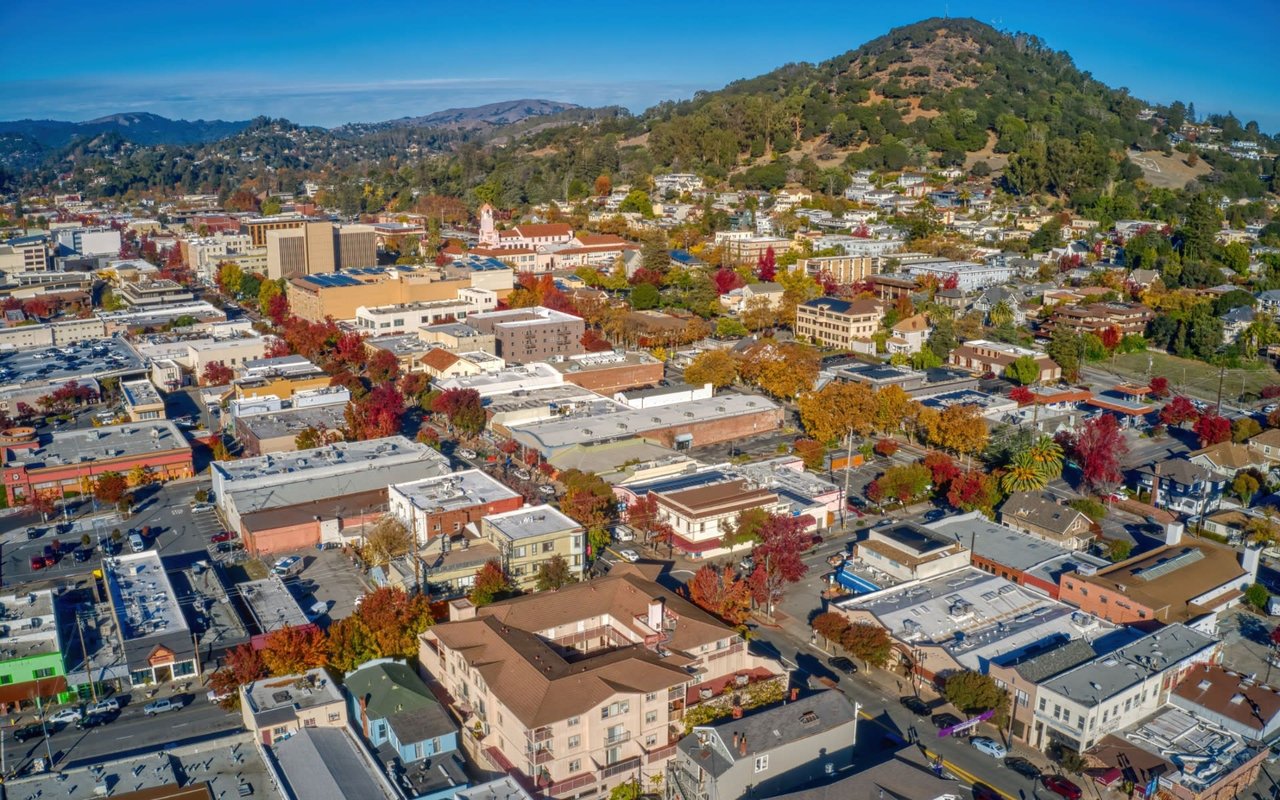
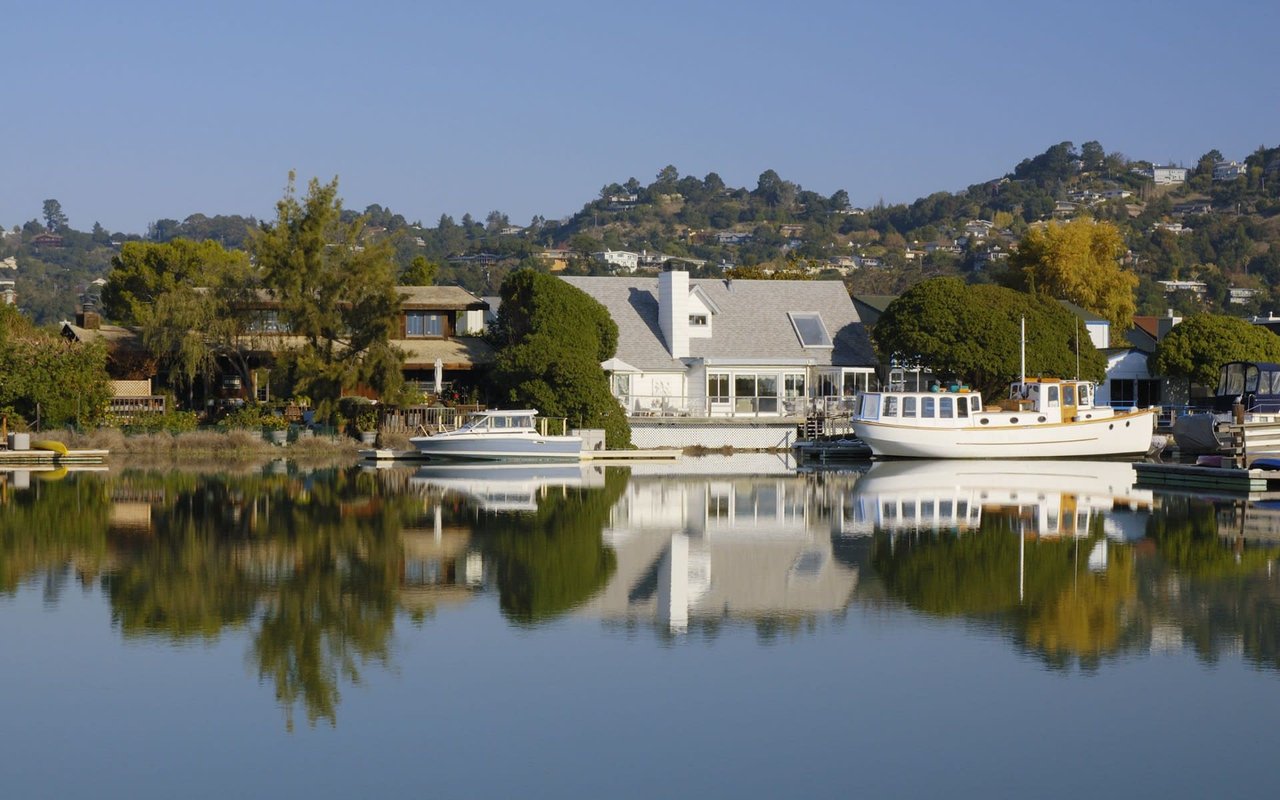
Mill Valley sits at the base of Mount Tamalpais, offering a striking blend of dense redwood forests and steep hillside topography. Buyers looking at Northern California real estate often focus on this Marin County enclave for its direct access to nature and proximity to San Francisco. Moving here requires understanding a unique housing market shaped by strict zoning and dramatic geography.
Navigating the 2026 market means looking closely at hyper-local factors like microclimates, commute logistics, and property elevations. Mill Valley is not a monolithic market, as homes on the valley floor offer a vastly different daily routine than those perched on the mountain ridges. This guide breaks down the essential infrastructure and pricing trends buyers need to evaluate.
The Mill Valley Landscape and Geographical Position
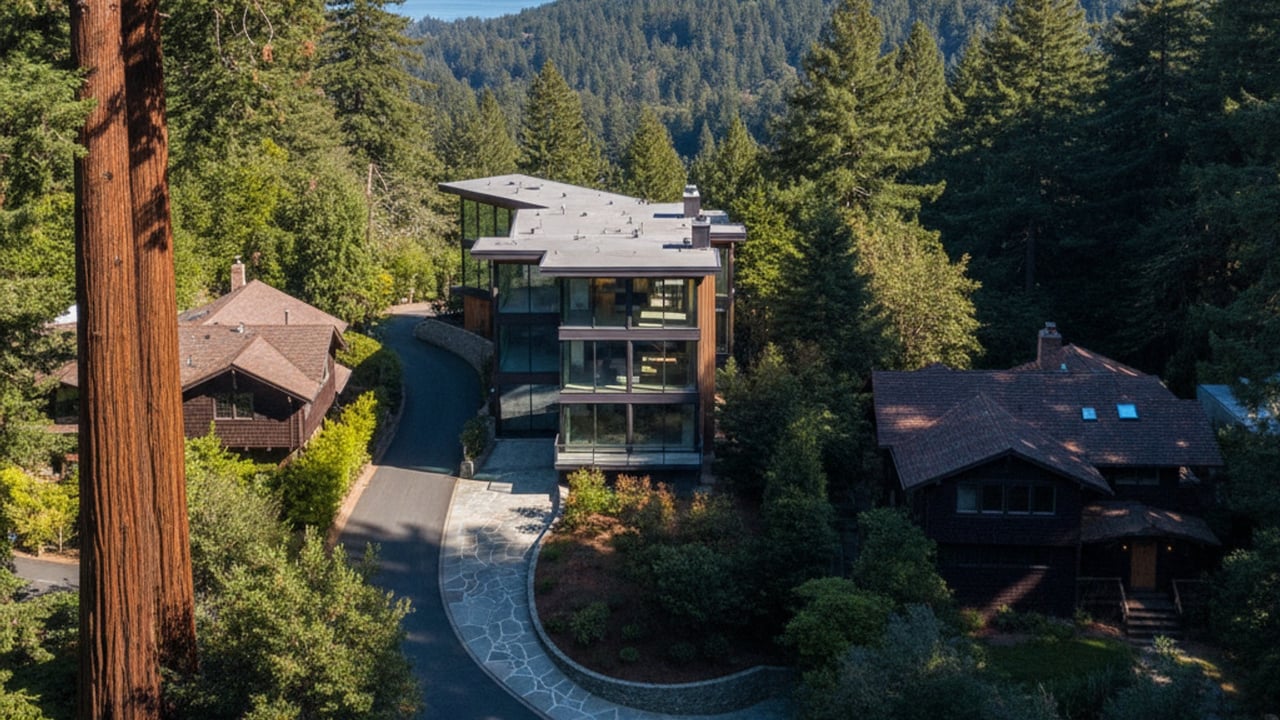
Geography dictates almost everything about living in Mill Valley, CA. The town is built directly into the eastern slopes of Mount Tamalpais, creating a dramatic transition from the tidal flats of Richardson Bay up into the forested mountain ridges. This topography creates distinct micro-neighborhoods defined by their elevation and tree canopy cover.
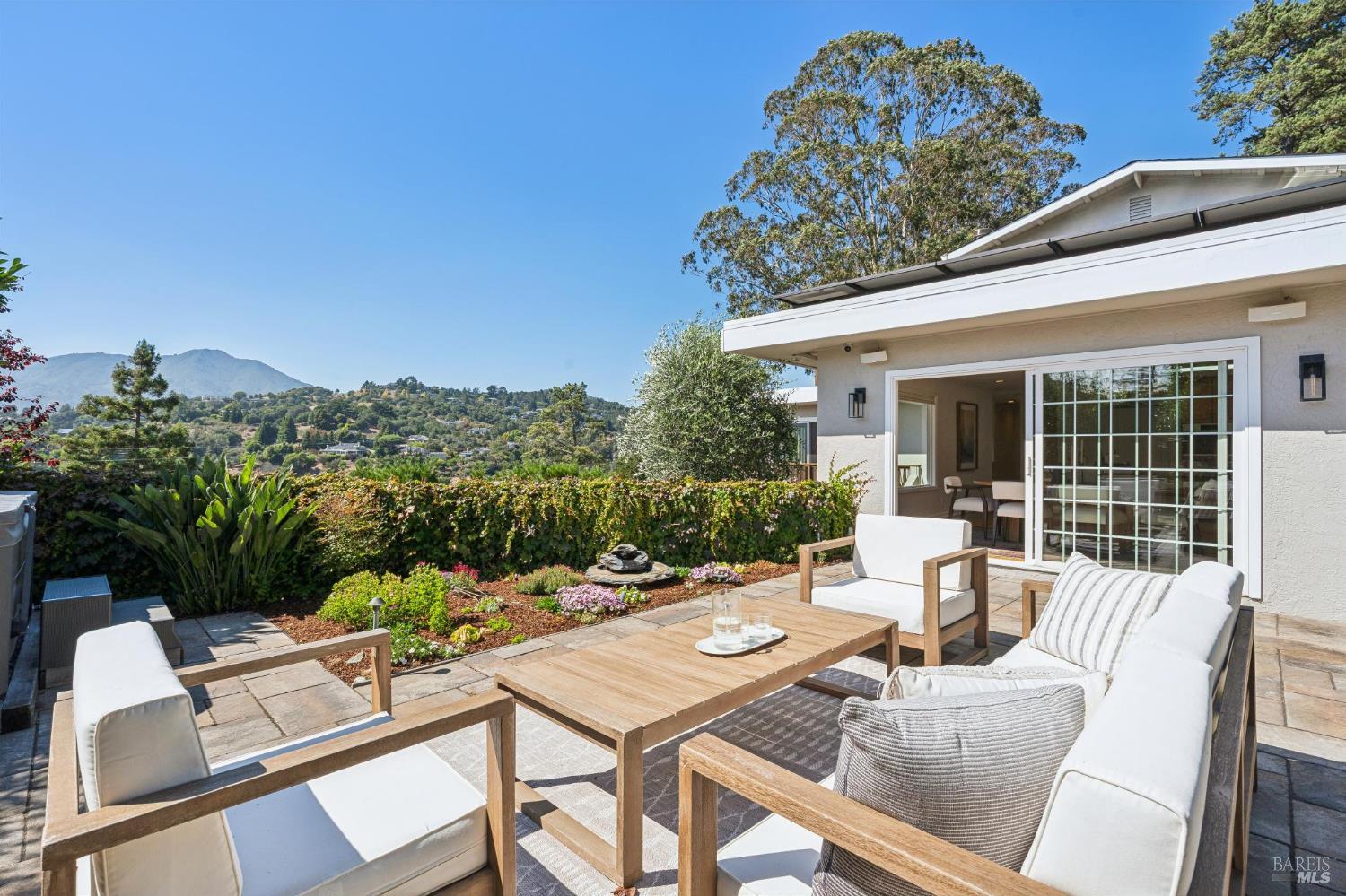
Buyers must weigh the trade-offs of these geographical zones when selecting a property. Homes tucked deep into the redwood canyons offer deep shade and privacy, while properties higher up the ridges receive more sunlight and panoramic views of the San Francisco Bay. The defining takeaway is that elevation directly impacts daily logistics, from sunlight exposure to cellular reception.
Beyond the immediate elevation changes, buyers must also consider the dense tree canopy. Old-growth redwoods provide stunning natural beauty but can significantly reduce natural light inside a home. Evaluating a property at different times of day is an essential step in the purchasing process.
Commuting to San Francisco and Transit Options
Mill Valley is located approximately 14 miles north of the San Francisco Financial District, directly across the Golden Gate Bridge. Driving via Highway 101 typically takes 25 to 30 minutes during off-peak hours. However, buyers must plan for that drive to expand up to 60 minutes during peak morning and evening rush hours.
Public transit provides a reliable alternative for those who prefer not to drive daily. Golden Gate Transit operates regional bus routes, while the nearby Sausalito and Larkspur terminals offer ferry service across the bay. Utilizing the ferry adds predictability to the commute and avoids the variable traffic bottlenecks on the bridge approach.
For those working in the Financial District, San Francisco, the commute is a major lifestyle factor. While the proximity is a draw, the toll plaza at the Golden Gate Bridge often dictates the pace of the morning drive. Commuters quickly learn to time their departures to avoid the heaviest congestion windows.
Mill Valley Real Estate Market Trends
The 2026 housing supply in Mill Valley remains heavily weighted toward single-family detached homes. Strict local zoning and geographical constraints keep new construction to an absolute minimum. This scarcity drives the highly competitive bidding environment standard for Marin County.
Current median home prices generally range from $1,800,000 to $2,400,000, depending heavily on lot size and proximity to the downtown center. Properties located within a flat, walkable distance to Lytton Square command a significant premium over hillside homes that require driving. Securing a home here often requires aggressive financing terms and a willingness to move quickly.
Buyers must also factor in the age of the housing stock when reviewing property disclosures. Many older homes have undergone extensive renovations, but underlying systems may still require updates. Working with inspectors who understand hillside foundations and retaining walls is a non-negotiable part of the process.
Typical Architectural Styles and Property Types
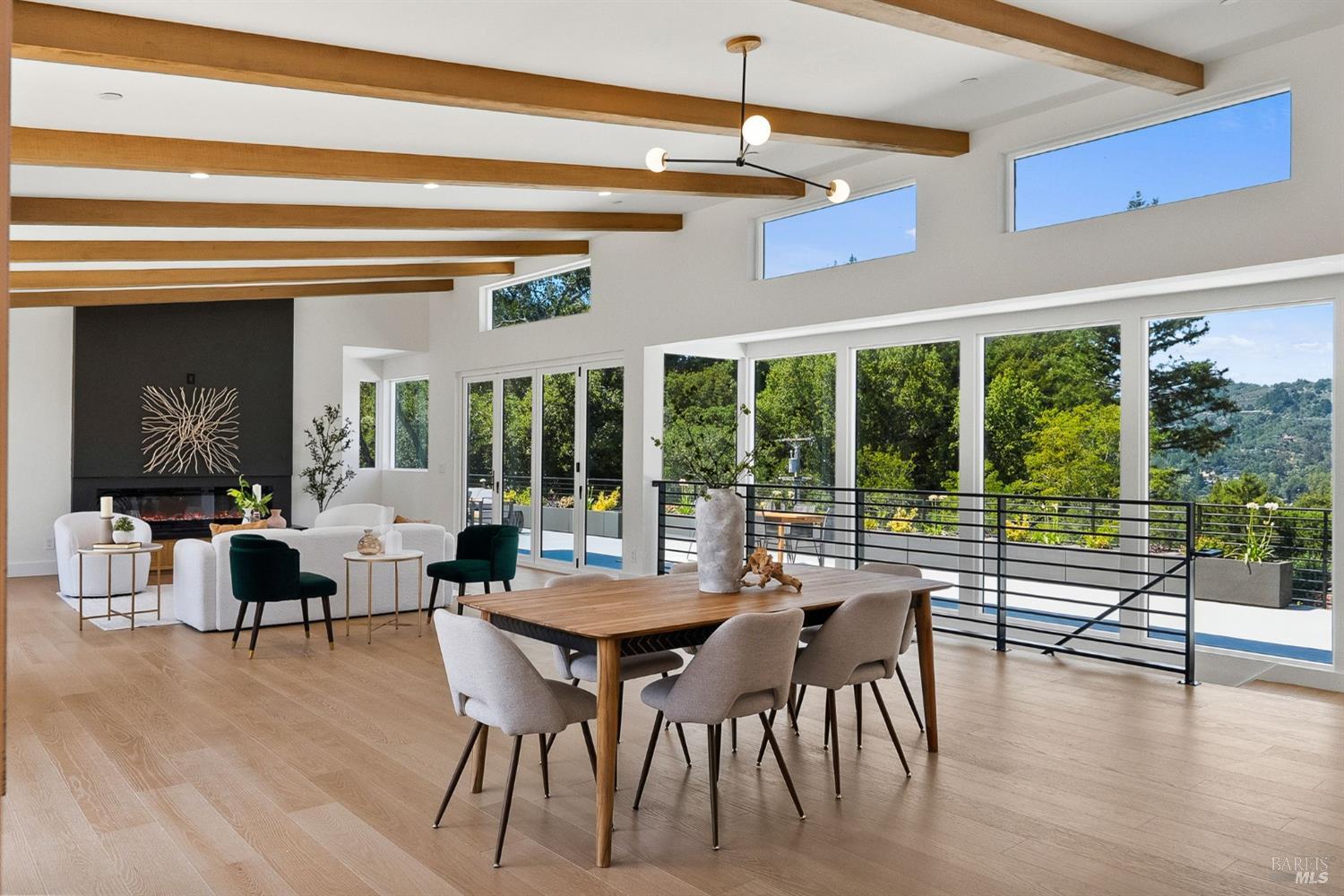
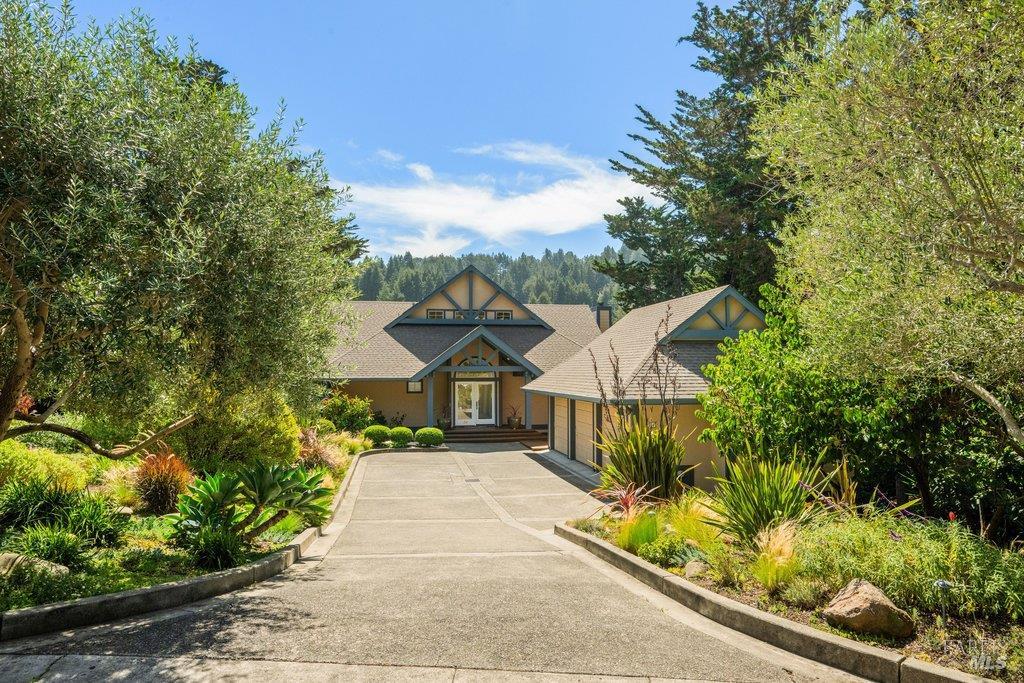
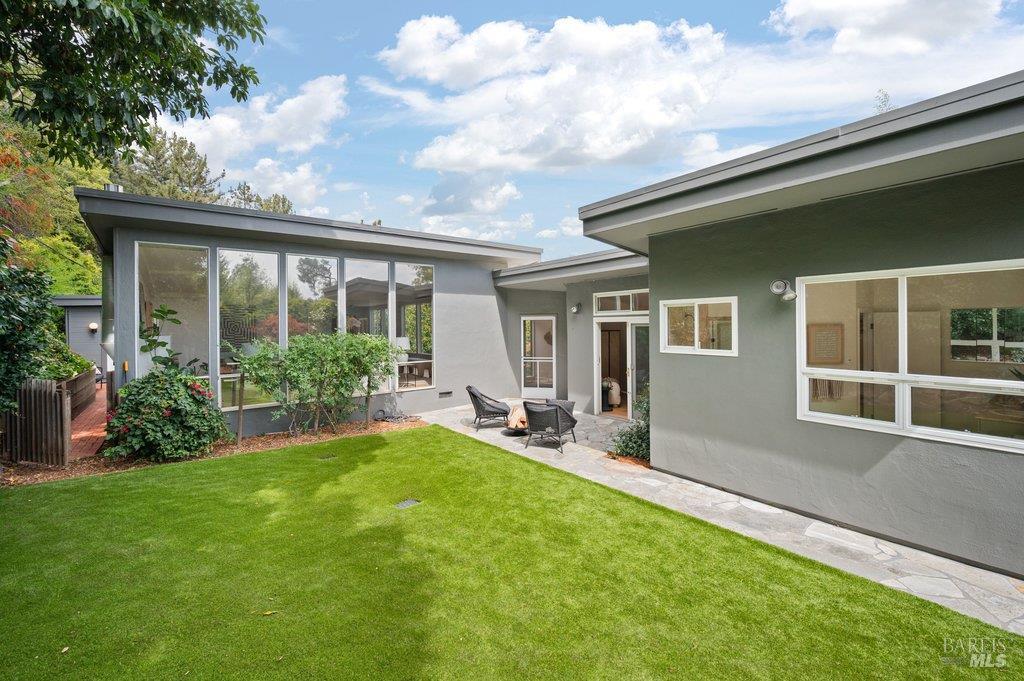
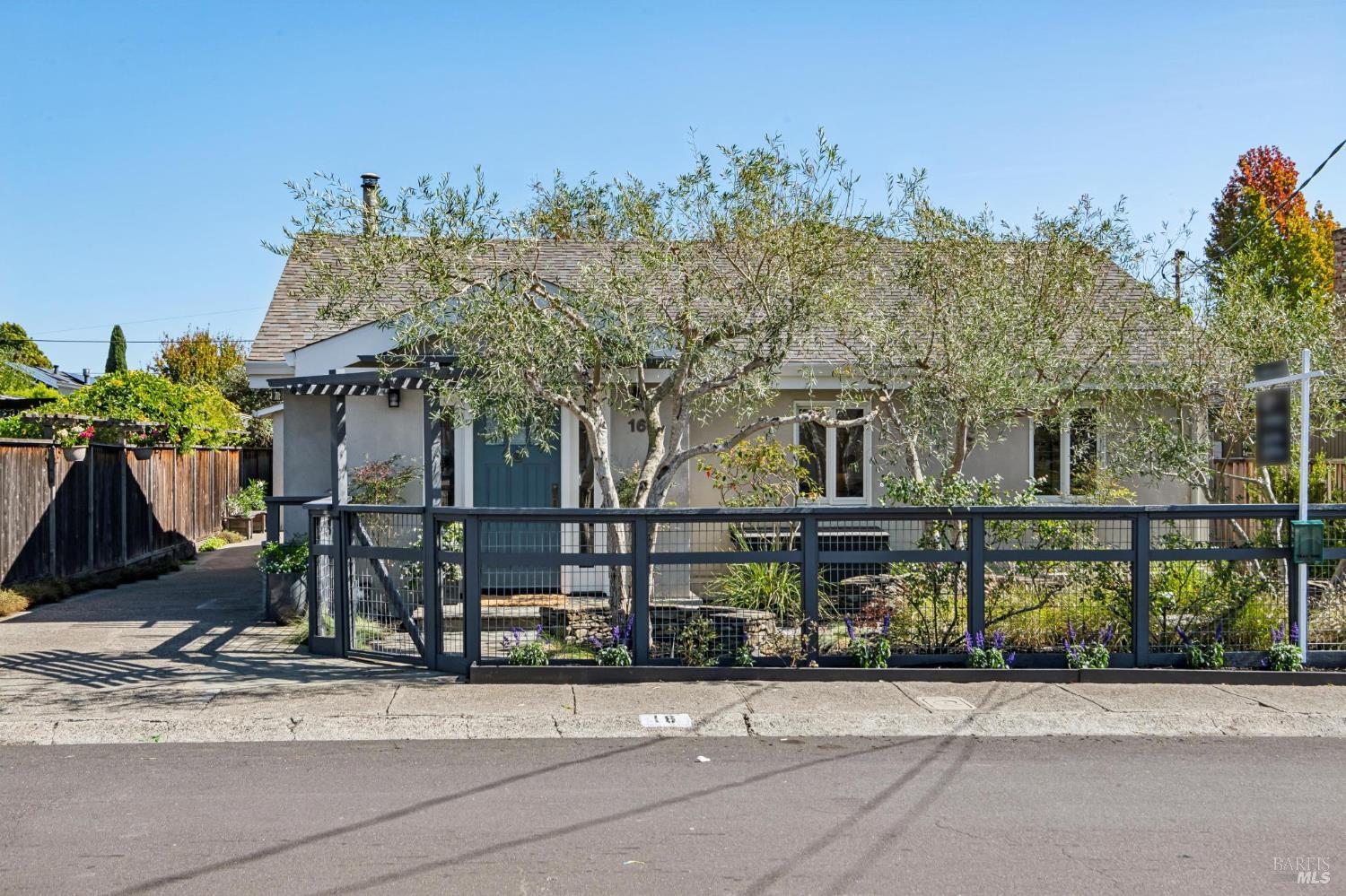
The architectural landscape here is diverse, reflecting decades of custom building. Buyers will find everything from historic redwood cottages to modern, glass-heavy estates cantilevered over the hillsides. Navigating the steep, winding roads to reach those hillside properties is a daily reality that buyers must be comfortable with.
Condominiums and townhomes form a much smaller percentage of the market. These attached properties are typically located near the valley floor and Highway 101. They generally list between $1,000,000 and $1,500,000, offering a lower barrier to entry for the area.
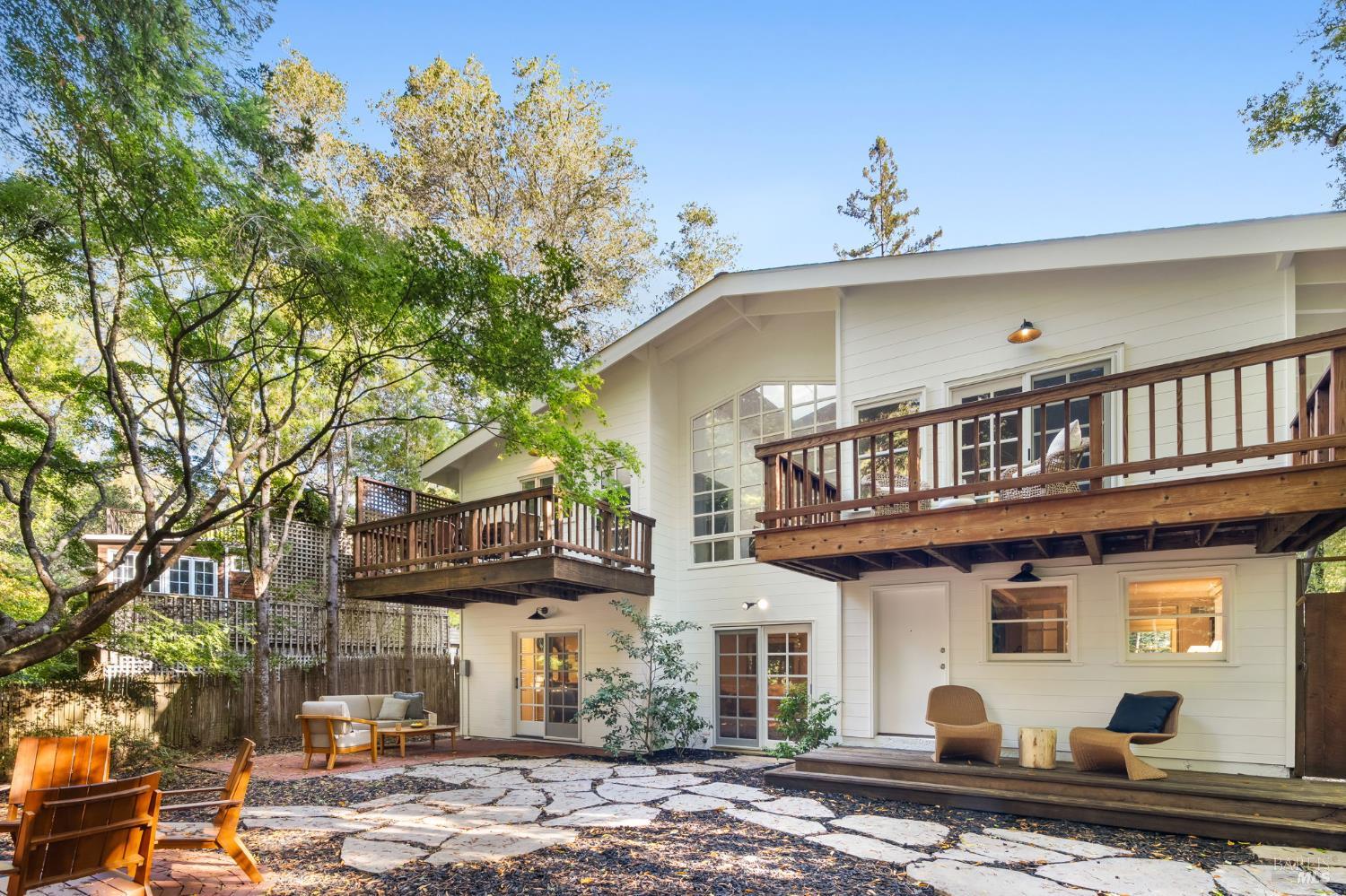
Lot sizes vary dramatically depending on the specific neighborhood and elevation. Valley floor properties typically offer traditional, flat backyards, whereas hillside homes rely on tiered decks to maximize outdoor living space. Understanding how you intend to use your outdoor space will quickly narrow down the viable property types.
Education Infrastructure and Local School Districts
Public education infrastructure is a primary consideration for many buyers moving into Marin County. Students in the elementary and middle school grades are zoned to the Mill Valley School District. The district operates five distinct elementary schools and one central middle school.
High school students transition into the Tamalpais Union High School District, specifically attending Tamalpais High School. This facility currently supports an approximate 2026 enrollment of 1,470 students and serves as a major civic hub. The campus features extensive athletic facilities and specialized academic programs.
School assignments depend heavily on the exact property address and the district's current intradistrict transfer capacity. Proximity to a specific elementary school does not guarantee enrollment if that facility has reached its capacity limits. It is crucial to verify the specific boundary lines directly with the district office before writing an offer.
The local educational facilities are deeply integrated into the community framework. Parent involvement and local funding initiatives play a significant role in supporting extracurricular programs. Buyers often find that school events double as major neighborhood gatherings throughout the academic year.
Downtown Amenities and Commercial Hubs
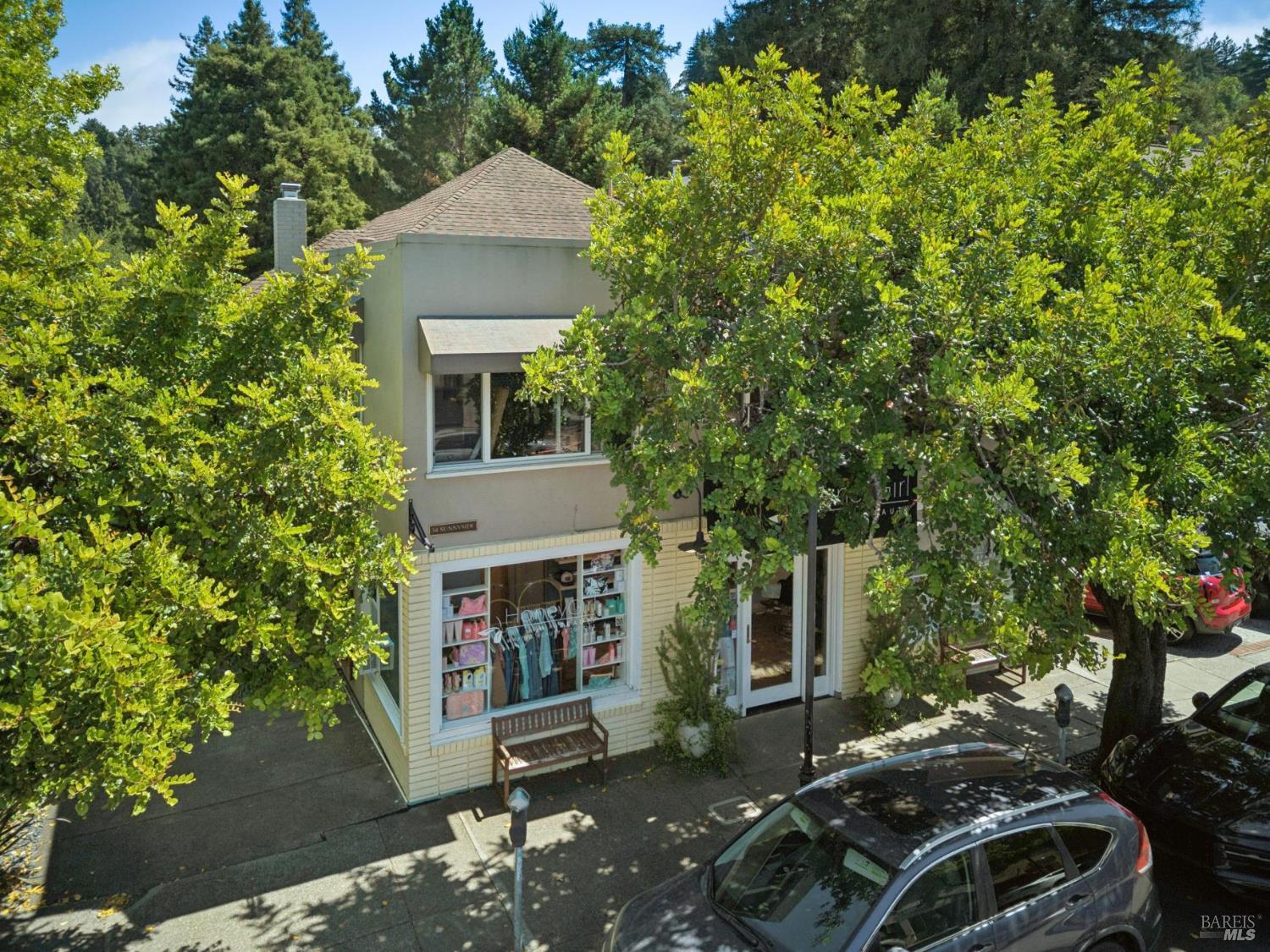
The commercial heart of Mill Valley centers around Depot Plaza and the adjacent Lytton Square. This downtown area serves as the primary gathering space and retail corridor for the community. Throckmorton Avenue functions as the main artery, lined with independent businesses rather than large national chain stores.
The retail landscape features a high concentration of farm-to-table restaurants, boutique hotels, and local art galleries. Residents can take a leisurely stroll down Throckmorton Avenue to visit independent coffeehouses or attend civic events at the plaza. The clear takeaway for buyers is that the commercial layout prioritizes pedestrian access over vehicle parking.
Dining in the downtown area leans heavily into the farm-to-table ethos that Northern California is famous for. Menus rotate seasonally, drawing on agricultural producers from across Marin County and the broader region. This culinary scene provides a high-end dining experience without the formality found in larger cities.
Outdoor Recreation, Parks, and Muir Woods
Access to world-class hiking trails is a defining feature of the local lifestyle. Muir Woods National Monument borders the city limits, protecting groves of towering, old-growth redwoods known scientifically as Sequoia sempervirens. These protected lands offer an immediate escape into dense forest environments just minutes from residential neighborhoods.
The local trail system integrates directly into Mount Tamalpais State Park, providing endless routes for outdoor enthusiasts. The historic Dipsea Trail is a local focal point, spanning 7.5 miles from Mill Valley out to the coast. This famous route begins with a grueling climb up 688 stairs starting in Old Mill Park.
Beyond the famous trails, the area offers numerous smaller neighborhood parks and green spaces. These localized recreation areas provide immediate outdoor access without the need to drive to a major trailhead. The integration of nature into the daily residential experience is the primary draw for the region.
Frequently Asked Questions
What are the typical transfer taxes when buying a home in Mill Valley?
Marin County imposes a documentary transfer tax rate of $1.10 per $1,000 of the property's purchase price. The city of Mill Valley does not currently levy an additional municipal transfer tax on top of the county baseline. Buyers purchasing a $2,000,000 home should estimate a transfer tax cost of roughly $2,200 at closing.
Does Mill Valley have its own municipal fire department?
Yes, the city operates the Mill Valley Fire Department to handle local emergency services and fire prevention. They work closely with Marin County fire agencies to manage the elevated wildfire risks inherent to forested hillside environments. Property owners in these zones must comply with strict vegetation management and defensible space codes.
Are short-term rentals permitted in Mill Valley?
The city heavily restricts short-term rentals to preserve local housing inventory and neighborhood character. Property owners must obtain a specific registration number and are subject to strict caps on the number of unhosted rental nights per year. Buyers looking for an investment property should review the 2026 municipal code, as enforcement of these regulations is rigorous.