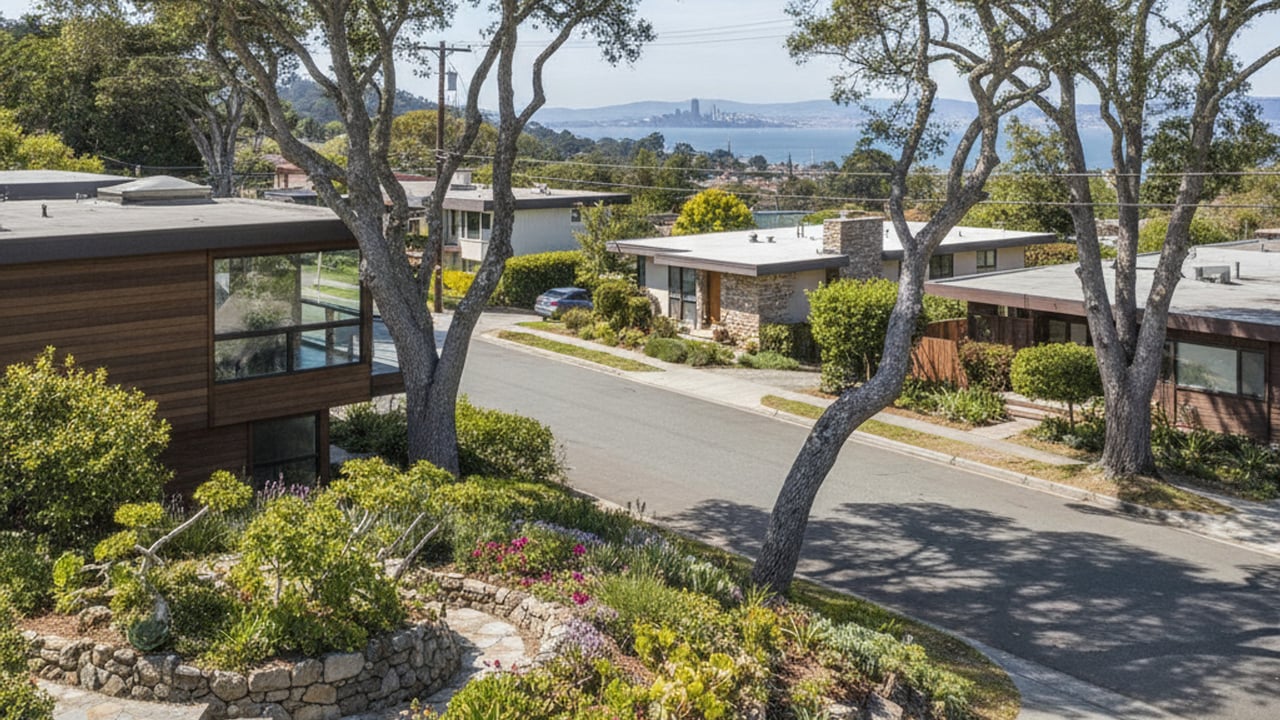
The median sale price in Sausalito, CA is approximately $1,851,000 as of mid-2026. Homes are spending a median of just 14 days on the market before going under contract - and with over 62% of local listings selling above asking price, walking into a showing without a firm number in your head is a real problem. This is especially true for first-time home buyers in Sausalito, CA.
Before you fall in love with a view of the bay, you need to know your ceiling. That means looking past the list price and accounting for local taxes, insurance rates, and down payment requirements.
Calculating Your Purchasing Power in Sausalito
Lenders look at your gross monthly income alongside your recurring monthly debts to figure out the most they'll lend you. That relationship is called your debt-to-income ratio, or DTI, and it's the single number that controls your purchasing power more than anything else.
Most mortgage programs cap your total DTI around 43%, though some conventional loans allow higher limits if your credit is strong. Your future mortgage payment, car loans, student debt, and minimum credit card payments all count toward that ceiling.
The 28/36 Rule and Local Realities
Financial advisors generally recommend the 28/36 rule - no more than 28% of your gross income on housing, 36% on total debt. At a $1,851,000 median price, keeping housing costs under that 28% threshold requires a substantial monthly income.
Treat the rule as a floor, not a ceiling. Many Bay Area buyers run their housing percentage higher than that and make it work by keeping other debts close to zero. It's a trade-off, and plenty of people in this market make it deliberately.
Adjusting for Bay Area Living Expenses
Your pre-approval tells you what a bank is willing to lend. Your actual spending tells you what you can live with.
Pull your last six months of bank statements and add up groceries, utilities, and commuting costs. Sausalito residents commuting into San Francisco need to account for bridge tolls, ferry tickets, or parking fees - those are fixed monthly costs that come right off the top. Subtract your real living expenses from your take-home pay and what's left is your honest housing allowance.
What Makes Up Your Monthly Payment
A standard mortgage payment covers principal, interest, taxes, and insurance - PITI, if you like acronyms. In Marin County, the effective property tax rate runs roughly 0.72%. On a home valued at $1,390,000, that works out to about $10,001 annually. Run those numbers before you make an offer, not after.
Down Payments and Loan Structures
Your down payment sets the size of your loan and affects the rate you'll get. Conventional loans can go as low as 3% down, but at a $1,851,000 median price, you're in jumbo loan territory - and jumbo loans play by different rules.
Expect lenders to require between 10% and 20% down, plus meaningful cash reserves sitting in the bank. Put 20% down and you eliminate private mortgage insurance entirely, which cuts your monthly payment more than most buyers expect.
Factoring in Property Taxes and Insurance
California homeowners insurance premiums have climbed 53.7% since 2020. The statewide average sits around $1,413 annually, but coastal areas with wildfire exposure routinely run higher than that.
Don't guess at your premium. Request actual insurance quotes during your inspection contingency period so you have a real number before you remove contingencies. Your lender will require proof of coverage before funding anyway, and the monthly portion goes into escrow - it affects what you qualify for.
Unseen Costs in the California Market
Closing costs in California typically run between 2% and 5% of the purchase price. On a median-priced Sausalito home at $1,851,000, that's roughly $37,020 to $92,550 in cash you'll need at the table - on top of your down payment. Lenders generally won't let you roll those costs into the loan, so this money has to be liquid.
These fees cover lender origination charges, appraisal fees, title insurance, and escrow services.
Estimating Your Closing Costs
Within three days of submitting your mortgage application, your lender is required to send you a Loan Estimate. Read it carefully. It breaks down every closing cost and tells you which fees are fixed and which ones you can shop around for.
Title insurance and settlement fees tend to be the biggest line items. Get quotes from a few title companies - it's one of the few places in this process where comparison shopping actually moves the needle.
Homeowners Association Dues and Maintenance
Buy into a townhome or a managed community and you'll have HOA dues to account for. Lenders count those monthly fees as housing debt, which reduces the total loan you qualify for - sometimes by more than buyers expect.
For a single-family home without an HOA, budget roughly 1% of the home's value annually for maintenance. Set that money aside in a dedicated account. A roof doesn't ask whether it's a convenient time.
Ways to Expand Your Buying Capacity
If your numbers don't quite reach Sausalito's median prices, there are concrete ways to improve your position. Paying off auto loans or credit card balances reduces your monthly obligations immediately, which improves your DTI and gives the lender more room to work with.
You can also look into state-sponsored programs built specifically to help with down payments and closing costs.
Lowering Your Debt-to-Income Ratio
Target the debts with the highest monthly payments, not necessarily the highest balances. Eliminating a $400 monthly car payment frees up $400 in qualifying room, and that can translate to tens of thousands of dollars in borrowing capacity.
Don't open new credit accounts or finance furniture while you're shopping. Lenders pull your credit again just before closing - new debt at that stage can kill a deal that was otherwise done.
California First-Time Homebuyer Assistance
The California Housing Finance Agency (CalHFA) runs several programs worth knowing about. The California Dream For All program provides first-generation homebuyers with up to 20% of the purchase price as a shared appreciation loan. The CalHome Program provides grants to local agencies for down payment and closing cost assistance.
There's no program exclusive to Sausalito, but both of these are statewide resources you can use here.
Frequently Asked Questions
What salary do I need to afford a median-priced home in Sausalito, CA?
It depends on your down payment and existing debt. Purchasing a home at the $1,851,000 median price requires a substantial six-figure income to keep your monthly payments within standard debt-to-income limits.
How do jumbo loan requirements impact my overall purchasing power in the Sausalito market?
Jumbo loans restrict your purchasing power by requiring larger down payments and tighter debt-to-income limits. Because a $1,851,000 purchase exceeds conventional loan limits, buyers must meet these tighter requirements to secure financing.
How much should I budget for property taxes and fire insurance when calculating my monthly Sausalito housing costs?
Budget roughly 0.72% of the home's value for annual Marin County property taxes. California homeowners pay an average of $1,413 annually for insurance, but premiums in wildfire-adjacent areas can be higher.
How much of a down payment do I realistically need to compete in Sausalito, CA?
It depends on the specific property, but a strong down payment matters in a market where homes spend a median of 14 days on the market. With 62.5% of Sausalito homes selling above list price, having extra cash available allows you to cover appraisal gaps or make stronger offers.