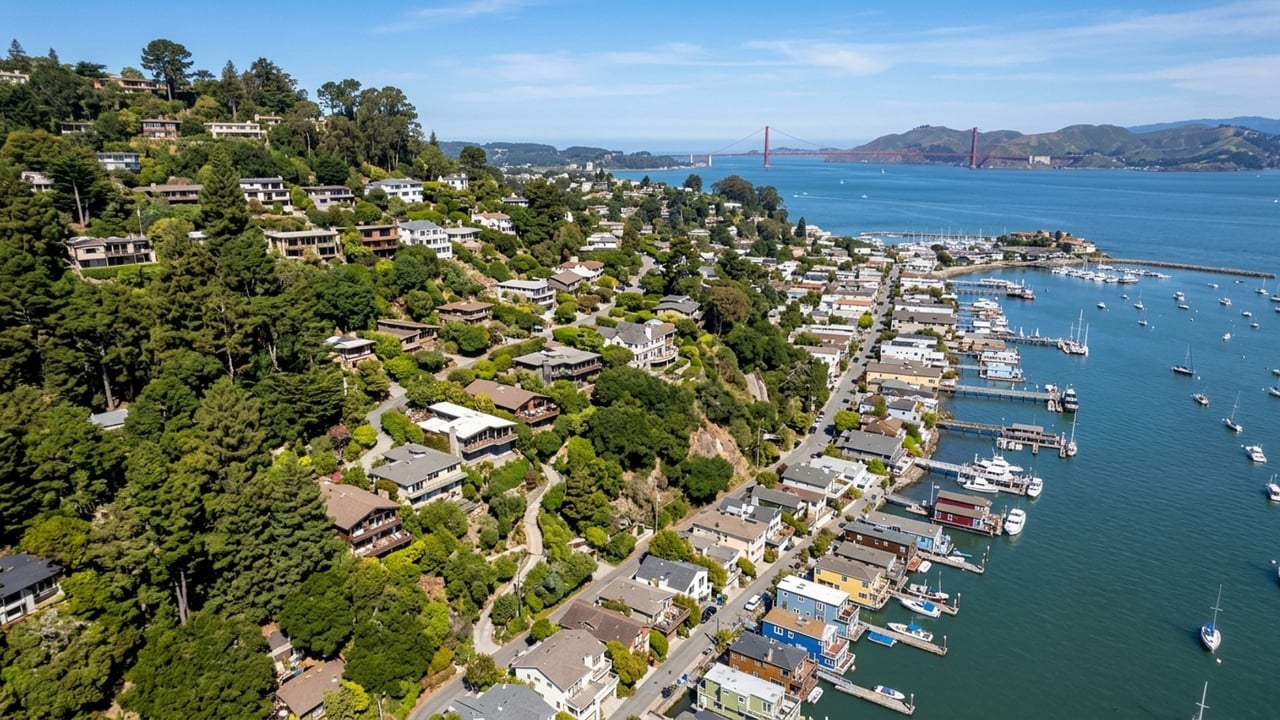
The Mill Valley, CA housing market continues to command attention as one of the most dynamic real estate landscapes in Northern California. Nestled at the base of Mount Tamalpais, this Marin County enclave offers a unique blend of redwood-canopied privacy and immediate proximity to San Francisco. Buyers entering this space in 2026 face a highly competitive environment where preparation is just as critical as budget.
Understanding local market mechanics is essential for anyone looking to transact in the 94941 zip code this year. From strict zoning regulations to hyper-local pricing nuances, purchasing or selling property here requires a tactical approach. Navigating these nuances successfully demands a clear grasp of current inventory levels, pricing strategies, and local legislation.
Current Mill Valley, CA Housing Market Trends
The Spring 2026 landscape in Mill Valley remains a staunch seller's market driven by persistently limited inventory. Across Marin County, the volume of new listings has struggled to keep pace with sustained buyer demand. Because of this imbalance, well-presented properties are currently going pending in approximately 14 to 24 days.
This tight inventory environment directly fuels intense buyer competition on nearly every properly priced listing. Multiple-offer scenarios are standard practice, and buyers frequently waive contingencies to make their bids stand out. Sellers hold the leverage, meaning buyers must arrive with fully underwritten pre-approvals and aggressive negotiation strategies to secure a home.
My professional advice for buyers right now is to treat your house hunt like a strategic campaign rather than a casual search. Waiting for the perfect property to drop in price is a failing strategy in this climate. You must be ready to act decisively the moment a home hits the MLS.
Median Home Price in Mill Valley, CA
Entering the local market requires a clear understanding of the financial threshold, as the median sale price for single-family homes currently sits between $1,800,000 and $2,400,000. This represents moderate, sustainable growth when compared to the pricing dynamics we saw throughout 2025. Buyers should not expect to pay the sticker price, as homes frequently close anywhere from 4% to 12% above the initial list price.
This consistent upward pressure means the list price often functions more like a starting bid than a final expectation. Sellers who price their homes strategically at or slightly below current market value routinely generate bidding wars that drive the final number up. Conversely, sellers who overprice right out of the gate often see their properties languish, eventually requiring price reductions that damage their negotiating position.
Property Types and Architectural Styles
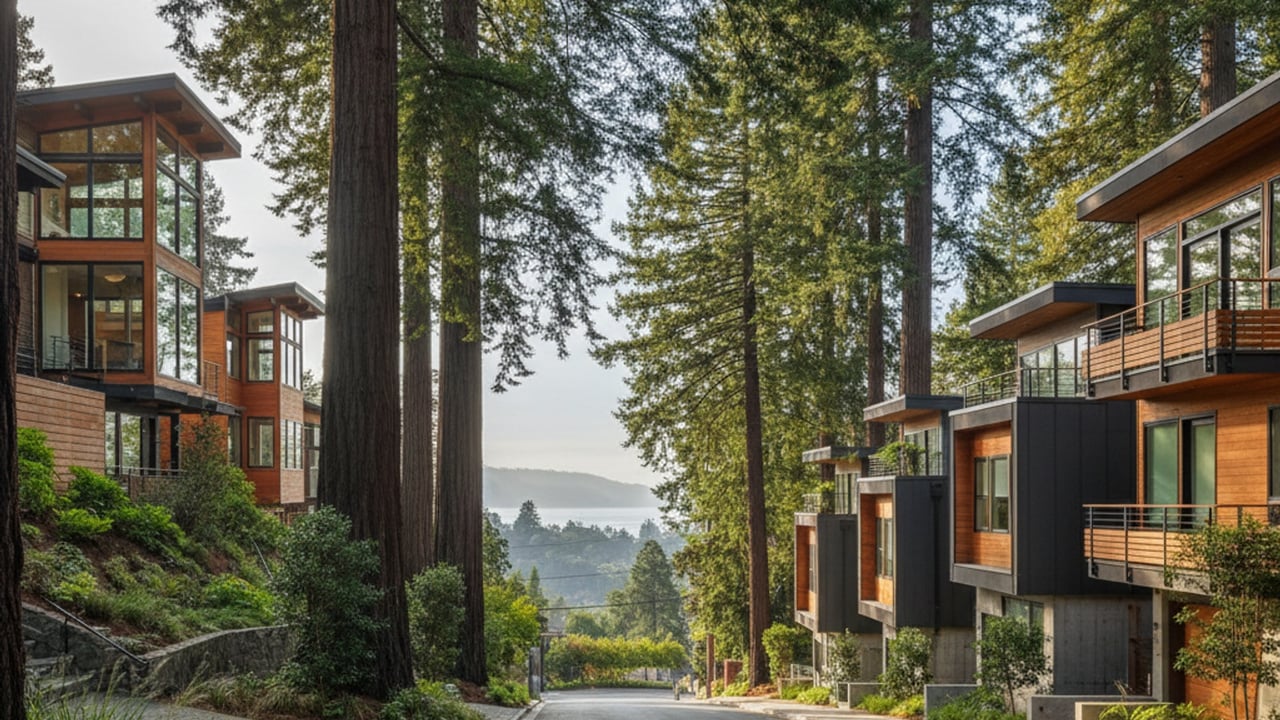
The housing stock in Mill Valley is highly diverse, offering everything from historic hillside estates to modern downtown condos. Properties situated on the slopes of Mount Tamalpais often feature custom architectural styles designed to maximize panoramic views and integrate with the redwood surroundings. These hillside homes command premium pricing due to their privacy and unique integration with the natural landscape.
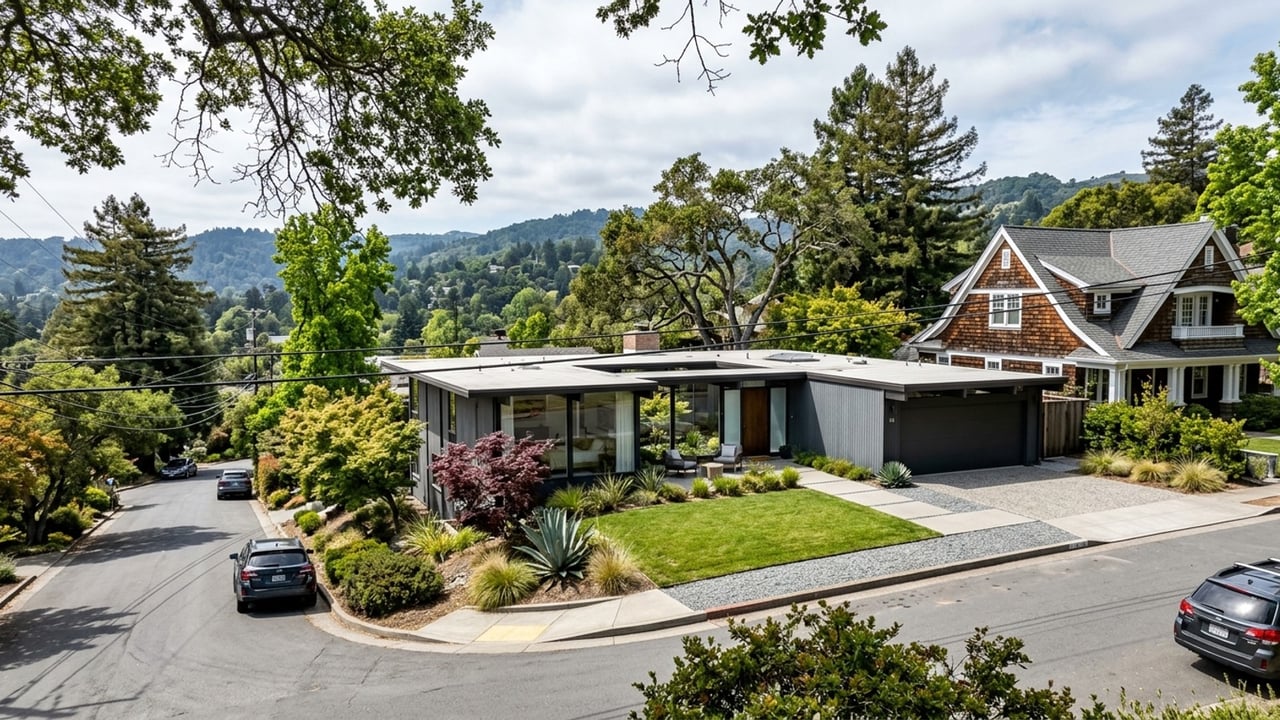
For those looking closer to the downtown depot, the market offers a mix of smaller single-family properties and occasional condominium listings. Micro-locations and lot topography within the 94941 zip code drastically impact final property valuations. A flat, sunlit lot within walking distance of the town center will always price significantly higher than a shaded hillside property requiring a steep climb.
Mill Valley, CA Property Taxes and Zoning
Property taxes and local zoning ordinances are critical components of the long-term cost of ownership in Marin County. Under Proposition 13, the base property tax rate remains at 1% of the assessed value at the time of purchase. However, buyers must also account for specific local levies, including the Municipal Services Tax and the local Library Tax, which add to the annual tax burden.
Zoning regulations have evolved recently, significantly impacting property owners and real estate investors. The implementation of the SB9 lot split ordinance allows for the division of certain single-family parcels, creating new avenues for development. Furthermore, updated Housing Overlay Zoning Districts have subtly shifted density allowances in targeted corridors.
For investors and homeowners alike, these zoning updates present a distinct opportunity to maximize property utility. The potential to add an Accessory Dwelling Unit or utilize a lot split can drastically alter the long-term equity trajectory of a property. Buyers should carefully review parcel maps and topography during escrow to assess these development possibilities.
Location Features, Commutes, and Schools
The enduring value of real estate in this area is heavily anchored by its objective lifestyle amenities and geographic advantages. Mill Valley offers an incredibly efficient commute to San Francisco via Highway 101, with the Golden Gate Bridge located just a few miles south. This logistical convenience is a primary driver for buyers who need regular access to the city while maintaining a residence in Marin County.
Beyond the commute, the local infrastructure provides robust recreational and educational resources. These objective factors consistently sustain long-term property values across market cycles:
-
Educational Facilities: The area is served by the highly rated Mill Valley School District and the Tamalpais Union High School District.
-
Recreational Access: Residents enjoy immediate proximity to the Muir Woods National Monument and Mount Tamalpais State Park.
-
Commercial Amenities: Destinations like Old Mill Park, the downtown depot, and the Mill Valley Lumber Yard anchor the local commercial district.
When you combine these geographic conveniences with strict local development constraints, the result is a highly insulated real estate market. The scarcity of buildable land ensures that existing homes retain their premium status. Buyers are ultimately paying for this unique intersection of wilderness access and urban proximity.
Frequently Asked Questions
Is the Mill Valley, CA housing market slowing down?
The market is not slowing down; it remains highly active due to constrained inventory levels. Homes are currently going pending in roughly 14 to 24 days, demonstrating sustained buyer demand. Multiple-offer situations are still the norm for properties priced accurately for the 2026 market.
How much money should I make to buy a house in Mill Valley, CA?
Purchasing a home here requires substantial income, given the median sale price ranges from $1,800,000 to $2,400,000. Buyers typically need a household income well over $400,000 to comfortably manage the mortgage, property taxes, and insurance. Financial requirements will vary based on your down payment size and current mortgage interest rates.
Is it a good time to buy or sell a home in Mill Valley, CA?
It is an exceptionally strong time to sell, as limited inventory allows properly priced homes to frequently close 4% to 12% above the list price. For buyers, acting now is advantageous before prices escalate further in this competitive environment. Success on either side requires decisive action and a clear understanding of hyper-local pricing trends.
What is the best time to sell in Mill Valley?
The Spring selling season historically yields the highest buyer turnout and the most aggressive bidding wars. Listing between late February and May allows sellers to capitalize on peak demand before the summer travel season begins. Showcasing a property when the local redwoods and hillside landscapes are vibrant also maximizes curb appeal.