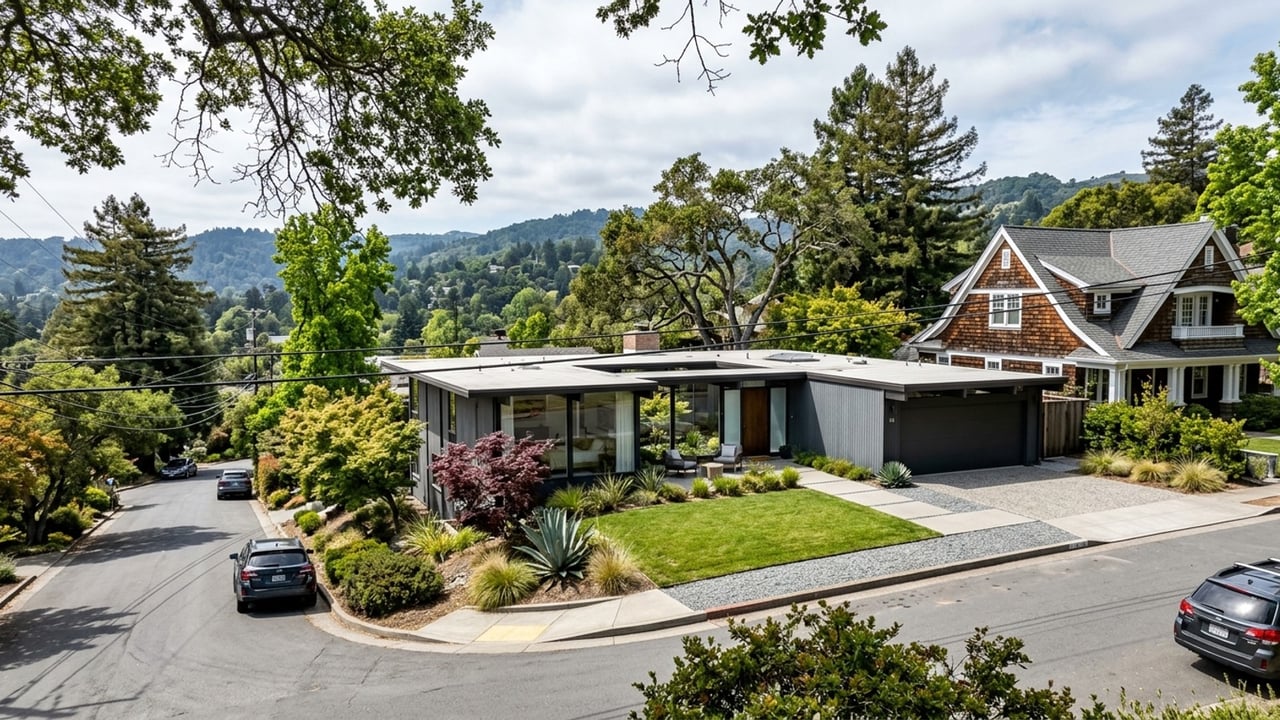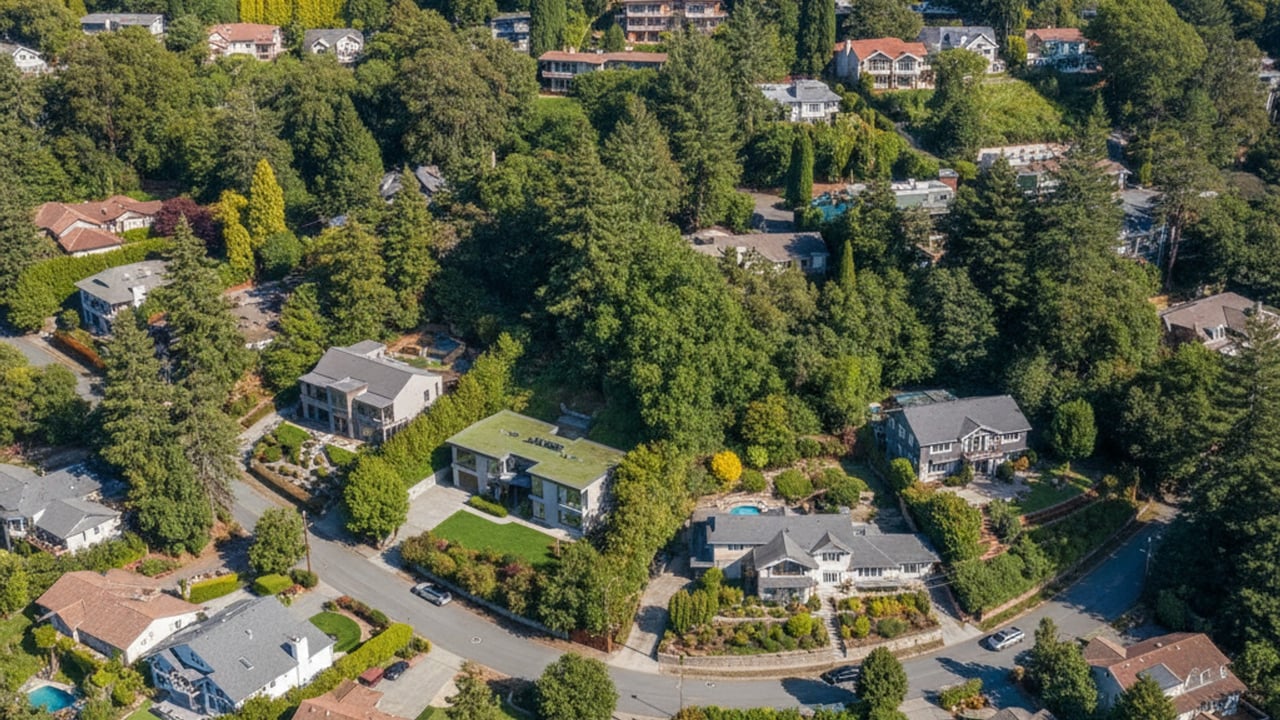
Deciding to list a property in Marin County requires a clear understanding of current market dynamics. Homeowners often wonder about the best strategies and timing to maximize their property value while minimizing time on the market.
The 2026 landscape presents unique opportunities for prepared sellers. By analyzing recent data and understanding buyer priorities, you can position your property for a highly successful transaction.
Current 2026 Housing Market Trends in Mill Valley
The Marin County real estate market remains highly competitive this year. Buyers are actively seeking well-maintained properties, but they are also highly sensitive to local pricing strategies.
Currently, the median list price ranges from approximately $1,850,000 to $2,400,000. Properties priced accurately within this bracket are moving at a rapid sales pace.
Expect an average days on market of 14 to 21 days for homes that hit the market in peak condition. There is a stark difference between a fast-moving sprint listing and stale inventory that sits for months. Overpricing even slightly can cause a property to linger, requiring later price reductions that severely weaken seller leverage.
Highlighting Objective Location Features to Buyers
Marketing a property effectively means focusing on objective location features rather than subjective lifestyle claims. Buyers want concrete data about their daily routines and local infrastructure before submitting a competitive offer.
Commute times are a major factor for buyers relocating from San Francisco. Highlighting the precise driving distance to Highway 101 or the transit time via the Sausalito Ferry provides clear, actionable value.
Proximity to outdoor recreation is another objective selling point. Mentioning the exact mileage to Mount Tamalpais State Park or Muir Woods National Monument gives buyers a factual understanding of the local amenities.
School district boundaries also drive significant buyer interest. Listing the Mill Valley School District and Tamalpais Union High School District by name, along with noting recent CAASPP literacy gains, provides verifiable data without relying on vague neighborhood labels.
Preparing Mill Valley Property Types for Sale
Getting a house ready for the market involves addressing the specific structural realities of the area. Hillside properties often require preemptive foundation inspections and structural reviews of retaining walls to reassure cautious buyers.
Luxury estates benefit heavily from professional staging that maximizes perceived space and property value. Following the 3-3-3 rule - declutter, depersonalize, and update - ensures the home appeals to the broadest pool of potential buyers.
Homeowners must also decide when a full renovation makes financial sense versus when to list the house as-is. Major structural repairs rarely offer a full return on investment. Sometimes offering a fair price adjustment is more effective than managing a lengthy construction project before listing.
Understanding Pricing Strategies and Taxes in Marin County
Setting a competitive list price is the single most important factor in triggering multiple offers. Working with a real estate agent helps sellers analyze comparable sales to pinpoint an exact entry figure for the current market.
Sellers must also account for local transaction costs when calculating their net proceeds. The Marin County transfer tax rate is approximately $1.10 per $1,000 of the sale price. Sellers typically pay this county transfer tax at closing, which can add up to several thousand dollars on a median-priced home.
Navigating the legal paperwork requires precision and an understanding of local regulations. A real estate professional will manage the required Marin County seller disclosures and any applicable HOA guidelines. Providing complete and accurate disclosures upfront prevents costly delays during the escrow period.
Should You Sell Your House For Cash in Mill Valley?
Some homeowners prefer to skip the traditional MLS listing entirely in favor of a fair cash offer. This approach drastically alters the timeline of a standard real estate transaction.
Accepting a cash offer allows sellers to bypass staging, open houses, and expensive renovations. Cash buyers frequently purchase properties in their current condition and often waive financing contingencies and formal inspections.
Naturally, the convenience of a fast, off-market transaction impacts the final sale price. The cash offer amount for an as-is property depends heavily on the estimated repair costs and current market absorption rates. Sellers must weigh the financial discount against the certainty and speed of a streamlined closing.
Frequently Asked Questions
What is the hardest month to sell a house in Mill Valley?
December is historically the most challenging month to secure a competitive offer. Winter market slowdowns lead to reduced buyer foot traffic and fewer active listings. Most sellers wait for the peak spring season to maximize visibility and property value.
How much tax do you have to pay when you sell your house in California?
Sellers in Marin County are responsible for a county transfer tax rate of roughly $1.10 per $1,000 of the final sale price. In addition to local transfer taxes, homeowners may face state and federal capital gains taxes depending on their profit margin and primary residence status. Consulting a tax professional is crucial to understand your exact liabilities.
Is it possible to sell my house as-is in Mill Valley?
Yes, listing a property as-is is a common strategy for sellers looking to avoid upfront repair costs. You can market the property to traditional buyers who want a renovation project or accept a direct cash offer to sell your house fast. This approach reduces seller stress but typically results in a lower final sale price.