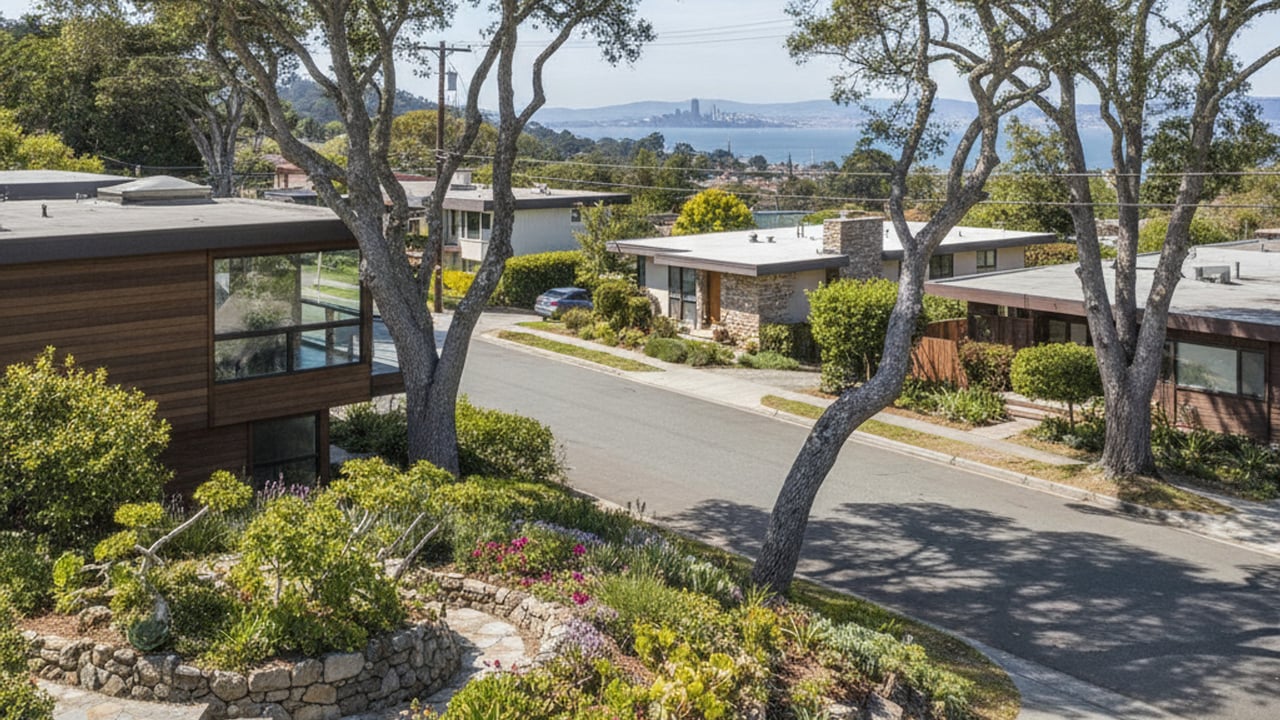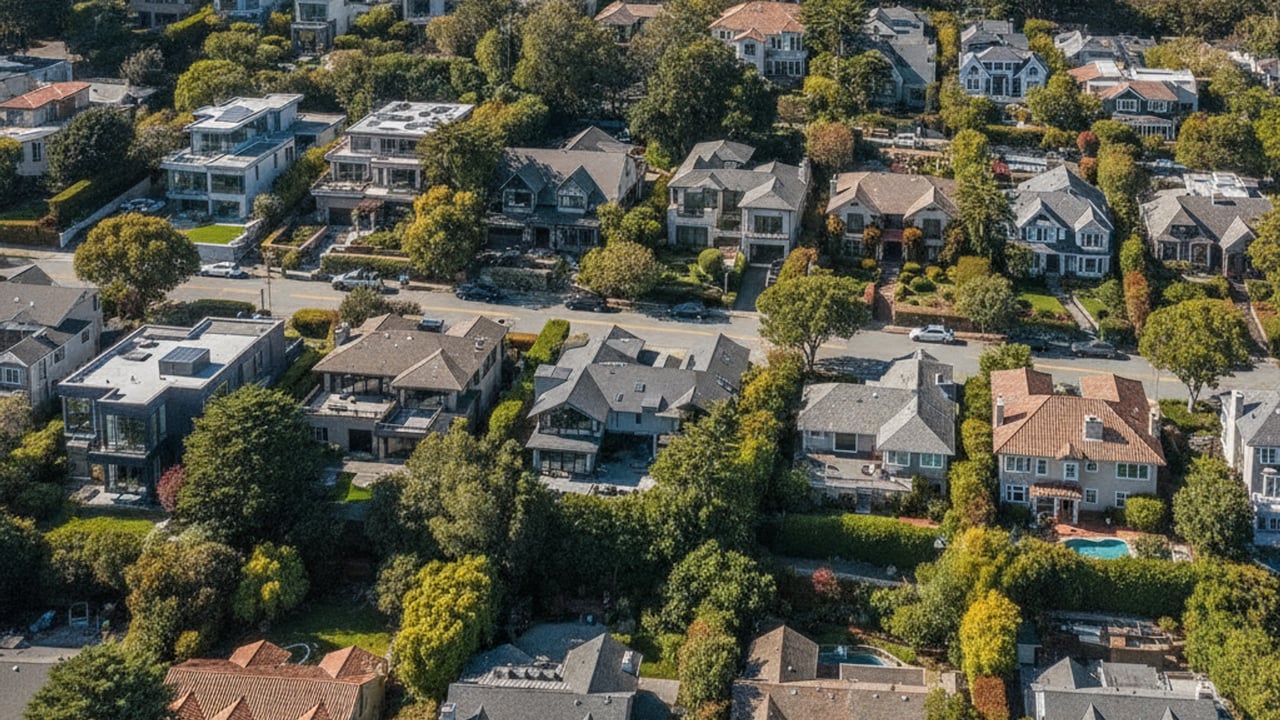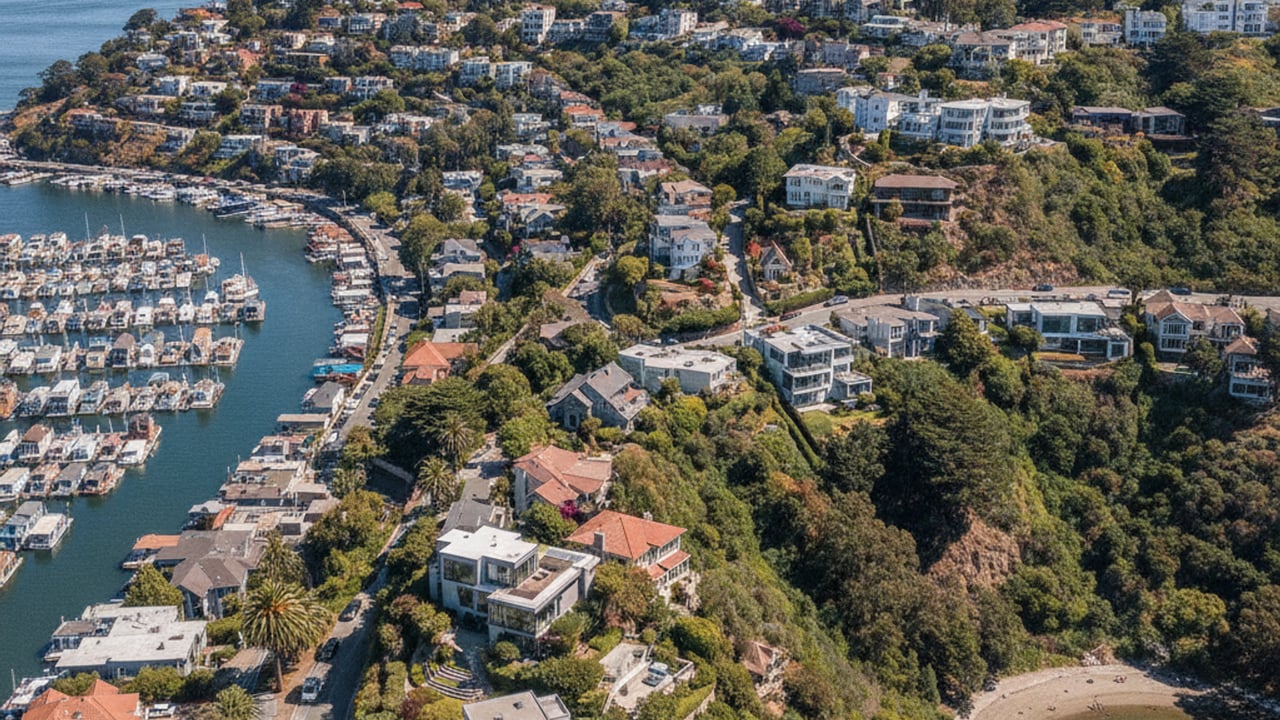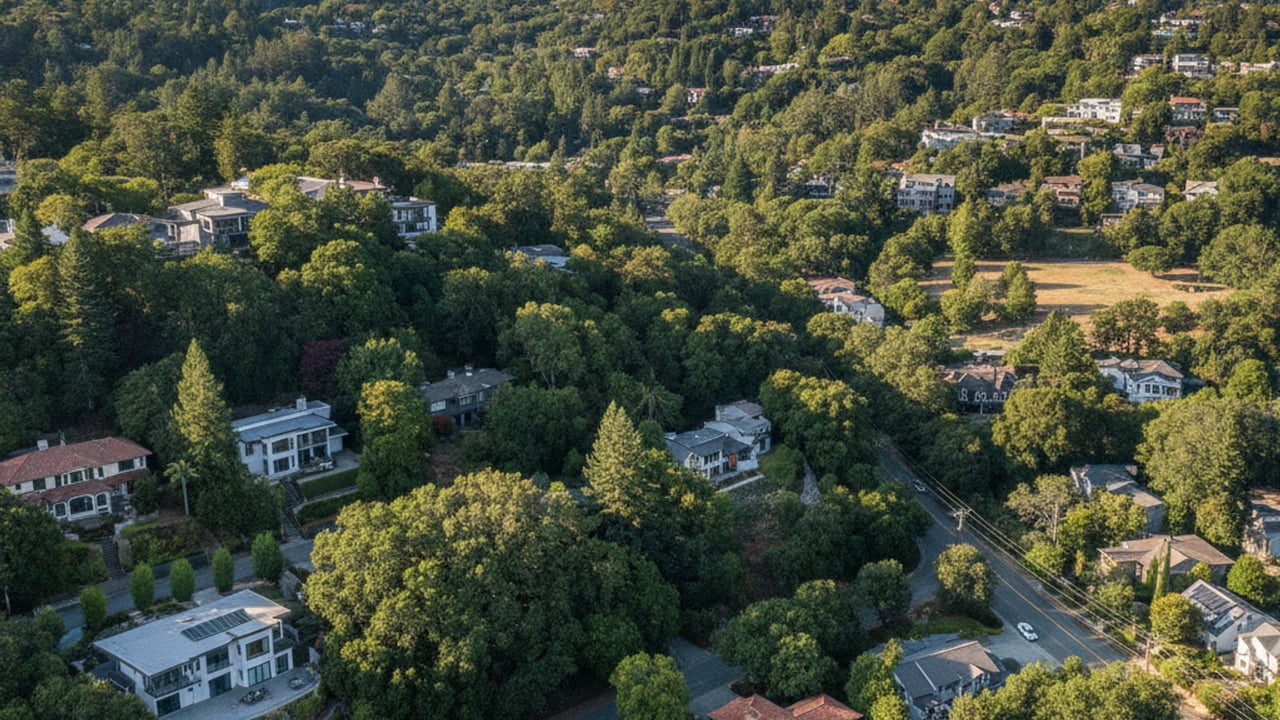
Mill Valley sits at the base of Mount Tamalpais, offering direct access to coastal redwoods while remaining just a short drive from San Francisco. Buyers usually work with the best real estate agent in Mill Valley, CA to secure a property here. The local real estate market commands premium pricing due to tight inventory and consistent demand for this specific geography.
Buyers researching the average cost of a home in Mill Valley, CA will find that values have climbed well past the $3 million mark for a typical single-family property. This market requires buyers to evaluate both the list price and the fast-moving timeline that defines 2026 sales in Marin County.
Current Home Prices and Market Dynamics in Mill Valley
As of mid-2026, the median sale price for a Mill Valley home sits around $3,227,500. This figure reflects a competitive environment where buyer demand consistently outpaces the available housing supply. Buyers tracking pricing data will see that the median home value has increased by nearly 6% over the past year.
The speed of the market is one of its most defining characteristics. Homes in Mill Valley spend roughly 9 days on the market before going under contract. Buyers should expect multiple-offer situations, as recent data shows properties selling for roughly 114% of their asking price, with 94% of homes closing above list.
Inventory remains tight across the city. With only about 21 active listings and 1.2 months of supply available at any given time, buyers have limited options. Condominiums provide a slightly lower entry point than single-family homes, but they also move quickly when priced accurately.
Factoring in Property Taxes, HOAs, and Utilities
The purchase price is only the first part of the financial equation for a Mill Valley home. Buyers should factor in Marin County property taxes, which typically run between 1.1% and 1.25% of the home's purchase price for new owners. On a $3.2 million home, that translates to an annual tax bill of roughly $35,000 to $40,000.
Local voter-approved parcel taxes add to this base rate. These assessments fund specific community services, including schools, fire protection, and library maintenance. Buyers should review the preliminary title report to understand the exact parcel tax burden for a specific address.
For those purchasing a condominium or a home in a planned development, homeowner association (HOA) dues are another monthly expense. These fees vary by community but generally cover exterior maintenance, common area landscaping, and sometimes water or trash service. Homeowners will also need to budget for standard utilities like electricity, water, and internet, which align with broader Bay Area pricing.
Local School Districts Serving Mill Valley
The educational infrastructure in Mill Valley is a primary draw for many homebuyers. Younger students generally attend schools within the Mill Valley School District, which operates several elementary campuses and one middle school. The district boundaries cover most of the city and surrounding unincorporated areas like Tamalpais Valley.
Older students move on to the Tamalpais Union High School District. Depending on the exact home address, students may be zoned for Tamalpais High School in Mill Valley itself, Redwood High School in nearby Larkspur, or Archie Williams High School in San Anselmo. Buyers should verify school attendance boundaries with the district, as zoning lines do not always match city limits.
Commute Times and Transit Routes to San Francisco
Mill Valley offers a straightforward commute for those working in San Francisco. The primary route is via US-101 South across the Golden Gate Bridge. During off-peak hours, the drive to downtown San Francisco takes about 20 to 30 minutes.
Rush hour traffic alters this timeline. Commuters traveling during the morning and evening peaks should plan for longer drives as vehicles bottleneck near the bridge toll plaza and the Waldo Grade. Checking real-time traffic data before leaving is standard practice for local drivers.
Public transit provides an alternative to driving. Many residents use the nearby ferry terminals in Sausalito and Larkspur to cross the bay. The Golden Gate Ferry service offers a scenic, traffic-free ride directly to the San Francisco Ferry Building, with parking available at both Marin County terminals.
Parks, Trails, and Outdoor Recreation
The geography of Mill Valley integrates directly with some of Marin County's most prominent natural features. Mount Tamalpais State Park borders the city, offering miles of hiking and mountain biking trails. Residents have immediate access to these trailheads, many of which connect directly to residential streets in the upper canyons.
Muir Woods National Monument sits just over the ridge, providing access to old-growth coast redwoods. While the monument draws international tourism, locals benefit from proximity to its surrounding trail network. The terrain dictates much of the city's layout, with homes built into the hillsides to maximize views of the forest and the bay.
Closer to sea level, the downtown Depot Plaza serves as the central gathering point. Located at the base of the mountain, the plaza connects to the Mill Valley-Sausalito Multiuse Pathway, a flat, paved trail popular with cyclists and pedestrians. This pathway runs along the edge of Richardson Bay, linking local parks and commercial areas.
Frequently Asked Questions
What is the average cost of a home in Mill Valley, CA?
As of mid-2026, the median sale price for a home in Mill Valley is approximately $3,227,500. Properties routinely sell for roughly 114% of their list price due to tight inventory and steady demand.
How much income do I need to afford a home in Mill Valley, CA?
Affording a $3.2 million home requires a substantial household income, often exceeding $600,000 annually depending on your down payment and current mortgage rates. Lenders look at your debt-to-income ratio, which must typically stay below 43% to qualify for a jumbo loan.
What are the current housing market trends in Mill Valley, CA?
The 2026 market is characterized by rapid sales and limited supply, with homes spending a median of just 9 days on the market. With only about 1.2 months of inventory available, buyers frequently face multiple-offer scenarios.
What is the cost of living in Mill Valley, CA?
The cost of living here outpaces the national average, driven primarily by housing expenses. In addition to multi-million dollar home prices, residents pay top-tier Bay Area rates for groceries, utilities, and local services.
Is Mill Valley considered a wealthy town?
Yes, Mill Valley consistently ranks among the most affluent communities in Marin County and the broader San Francisco Bay Area. Property values, local amenities, and economic data all reflect a high-net-worth local economy.
Are there hidden expenses like high fire insurance or HOA fees when buying a home in Mill Valley?
Many homes in the wooded hillsides of Mill Valley sit in high fire-hazard severity zones, which can make property insurance expensive and harder to secure. Buyers should also budget for local parcel taxes and, if buying a condo, monthly HOA dues.
How do the local school districts affect real estate prices and competition in Mill Valley?
The presence of the well-regarded Mill Valley School District and Tamalpais Union High School District drives consistent demand for local housing. This educational infrastructure keeps property values stable and ensures fierce competition for available listings.