Mill Valley sits just over the Golden Gate Bridge, offering immediate access to San Francisco alongside dense redwood forests. Investors and homebuyers look at this Marin County city for its high property values and strong tenant demand. Many buyers consult the best real estate agent in Mill Valley, CA to secure a home here.
The barrier to entry is substantial, with home prices routinely exceeding the $3 million mark. However, low vacancy rates and strict housing supply constraints make it an attractive target for long-term holds and primary residences.
Why Buyers Target the Mill Valley Market
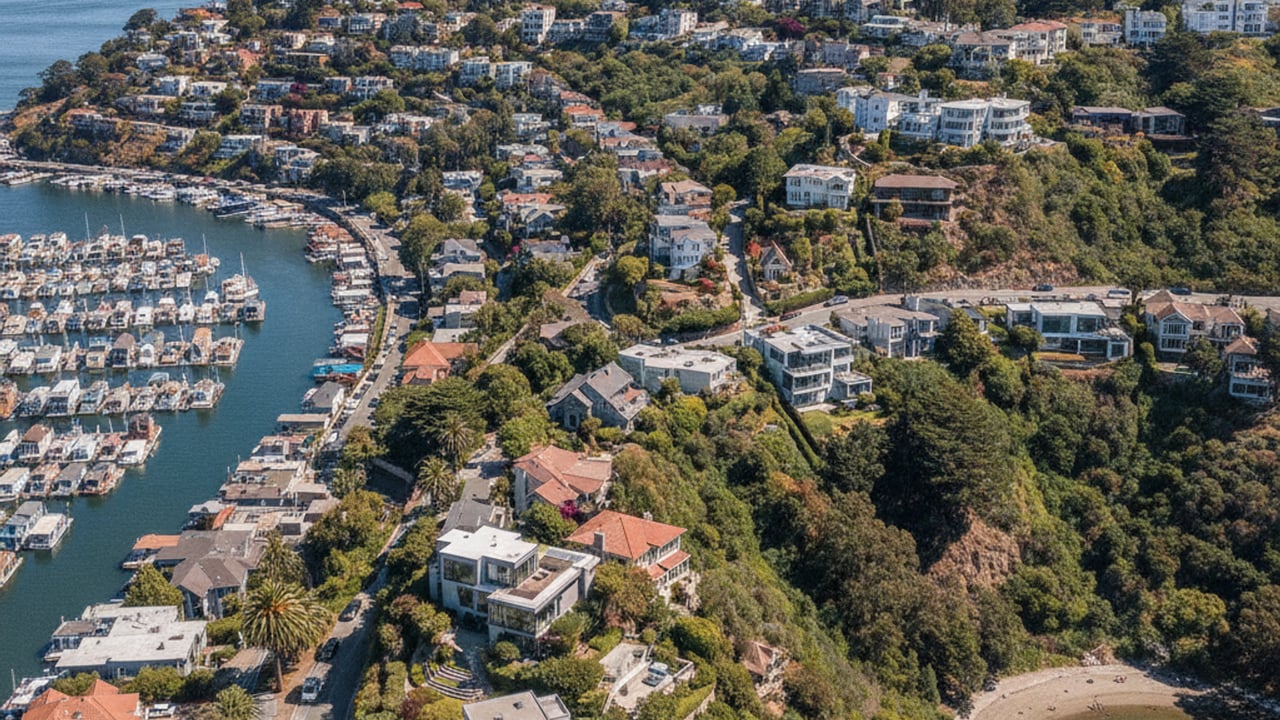
Mill Valley occupies a narrow valley at the eastern foot of Mount Tamalpais, creating a natural boundary that limits new housing construction. This geographic reality keeps inventory low and supports long-term property values. Buyers often focus on the immediate access to massive trail networks and the short drive into San Francisco.
The local economy and housing market rely on high-earning professionals who want proximity to the city without living in it. You will find strong demand for well-maintained single-family homes and a smaller, competitive market for condominiums.
Financing a purchase here requires substantial capital, as jumbo loans are the standard. Investors should prepare for high down payment requirements and multiple offers on turnkey properties.
Current Home Prices and Market Velocity
As of May 2026, the median sale price for a home in Mill Valley, CA, sits at approximately $3,227,500. That figure represents a nearly 6% year-over-year increase, reflecting sustained buyer interest and limited available homes. With only about 21 homes on the market recently, the area maintains a tight 1.2 months of supply.
Homes move fast. The median days on market is roughly nine days, meaning properly priced listings attract immediate offers. Buyers should have their financing fully approved before touring properties.
Bidding wars are standard. Recent data shows that properties sell for an average of 113.9% of their list price, and nearly 94% of homes close above asking.
Rental Income Potential and Vacancy Rates
Marin County maintains a tight rental market, with apartment vacancy rates hovering around 4.3% in 2026. This low vacancy environment helps landlords maintain consistent occupancy and steady cash flow. The median monthly rent for a standard unit in Mill Valley is roughly $4,240, though large single-family homes command much higher rates.
Investors looking at multifamily buildings across the county see average cap rates around 5.52%. Single-family homes in Mill Valley typically offer lower cap rates, but buyers often prioritize long-term appreciation over immediate cash flow.
Finding reliable tenants is rarely an issue given the steady influx of professionals relocating to the Bay Area. Landlords should ensure their properties feature modern updates, as renters at this price point expect premium finishes.
Property Types and Neighborhood Layouts
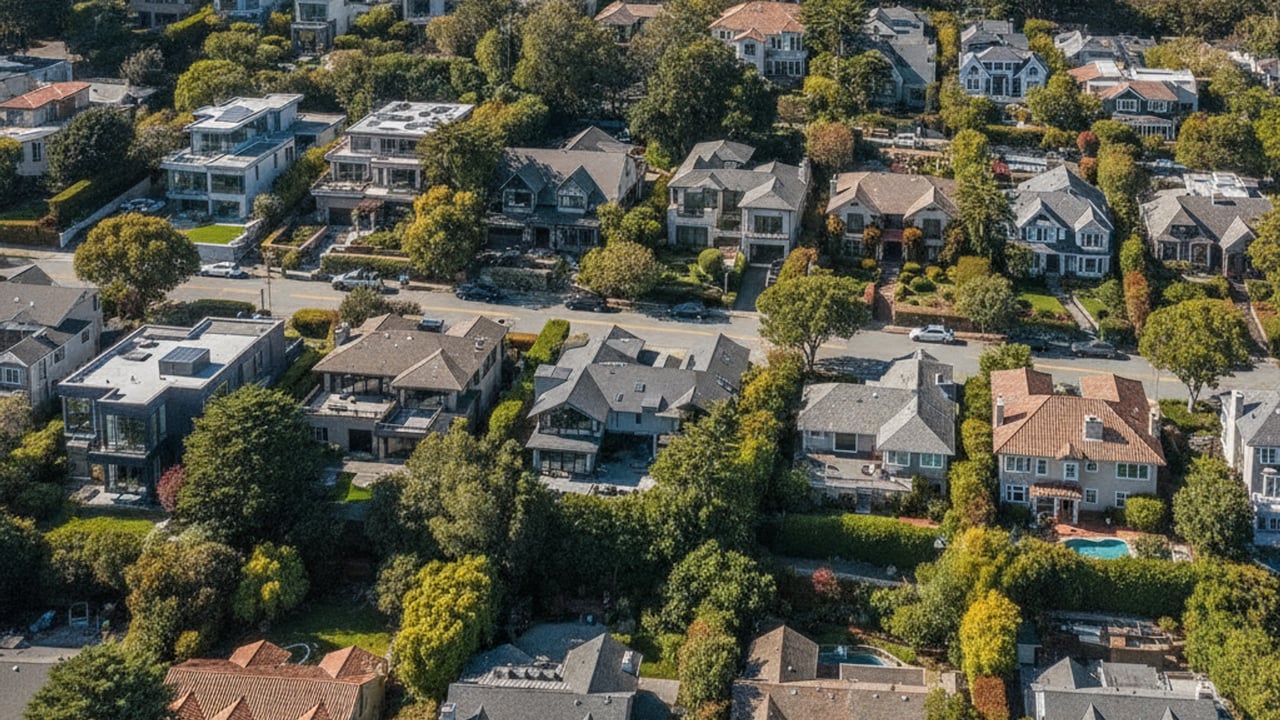
The local housing supply ranges from historic hillside estates to modern townhomes near the commercial center. Your budget and investment strategy will dictate which part of town makes the most sense.
The topography dictates lot sizes, insurance costs, and walkability. Buyers should assess each neighborhood's specific features, as micro-climates and road access vary wildly within just a few miles.
Proximity to Mount Tamalpais State Park and local schools drives demand across all property types. Here is a look at a few distinct areas within the city.
Downtown Mill Valley and Sycamore Park
The downtown area features high walkability to local shops, restaurants, and transit stops. Properties here often include historic homes on smaller, flatter lots.
Just south of downtown, Sycamore Park offers tree-lined streets and easy access to local schools. Homes in these flat neighborhoods command a premium because residents can walk or bike to daily amenities.
Blithedale Canyon and Cascade Canyon
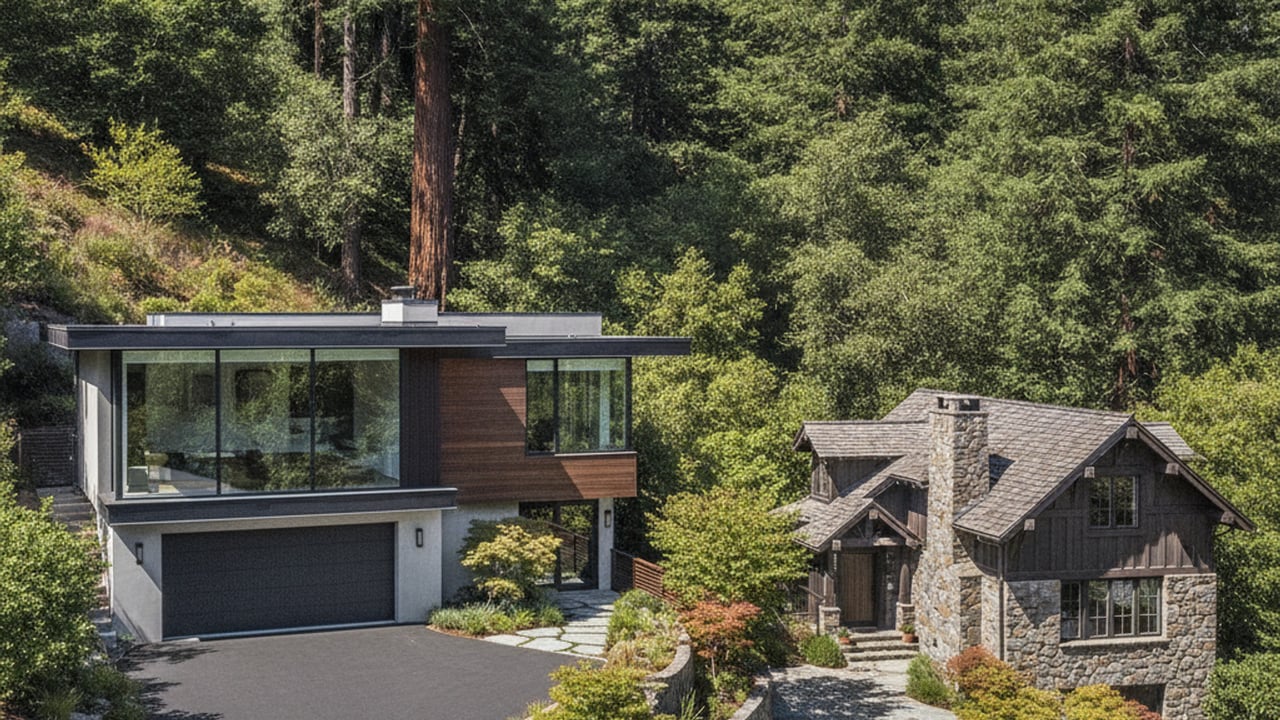
In the canyons, the environment shifts to dense redwood groves and narrow, winding roads. Homes here offer exceptional privacy and direct access to Mount Tamalpais hiking trails.
Investors buying in these hillside locations should account for higher property insurance premiums. Wildfire risk is a material factor, and buyers should verify insurance availability during the escrow period.
Tamalpais Valley
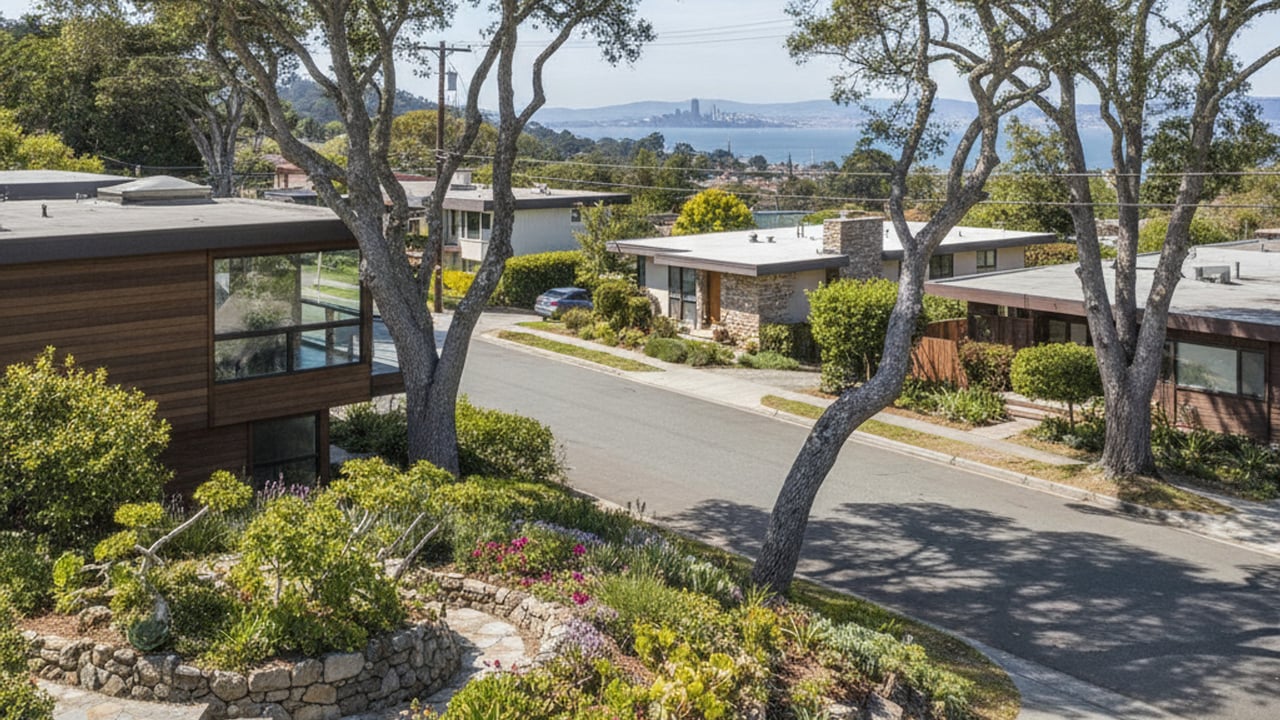
Located closer to Highway 101, Tamalpais Valley provides a faster commute into San Francisco. The housing mix includes mid-century single-family homes and occasional multi-unit properties.
This area tends to be slightly sunnier than the deep canyons and offers more traditional suburban lot layouts. It is a popular target for buyers who prioritize easy highway access over immediate downtown proximity.
Commute Times and Transit Options to San Francisco
The drive from Mill Valley to the Golden Gate Bridge is roughly 14 miles along Highway 101. For most residents, the mean travel time to work is about 25 minutes. However, bridge traffic during peak morning and evening hours will extend this duration.
Public transit offers an alternative to driving. The Golden Gate Transit Bus 114 provides direct weekday service from Mill Valley into the San Francisco Financial District.
Many commuters also utilize the ferry system. The nearby terminals in Sausalito and Larkspur offer scheduled boat service across the bay, allowing professionals to bypass highway congestion entirely.
Short-Term Rental Rules and Local Zoning
Mill Valley allows short-term rentals, but operators must secure a permit and a business license. The city regulates stays of fewer than 30 days to preserve long-term housing stock. Hosts must collect and remit Transient Occupancy Taxes to the municipality.
Zoning laws place strict limits on which structures qualify. Deed-restricted Accessory Dwelling Units (ADUs) and Junior Accessory Dwelling Units (JADUs) cannot be rented out on a short-term basis under any circumstances.
To encourage long-term housing, the city introduced the Lease to Locals pilot program in 2026. This initiative offers property owners up to $14,000 in incentives if they sign 12-month leases with local workforce tenants.
Frequently Asked Questions
What are the average home prices and housing costs in Mill Valley, CA?
Monthly holding costs extend far beyond the mortgage principal and interest. Buyers should verify high property taxes with the county assessor and request insurance quotes during the contingency period to accurately gauge their overall financial commitment.
What are the current real estate market trends in Mill Valley, CA?
With only 1.2 months of inventory available, the local environment heavily favors sellers. Buyers face intense competition, as roughly 94% of properties close above their asking price. Submit aggressive initial offers rather than expecting room for negotiation.
What are the best neighborhoods to invest in Mill Valley, CA real estate?
Sycamore Park and downtown appeal to buyers willing to pay a premium for flat, walkable access to daily amenities. Investors looking for a more traditional suburban layout or faster highway commutes often target Tamalpais Valley.
What is the average rental yield for investment properties in Mill Valley, CA?
Multifamily buildings across Marin County generate average cap rates of around 5.52%. Detached homes in Mill Valley yield lower initial returns due to the $3.2 million median purchase price, requiring landlords to budget carefully for maintenance and holding costs.
What are the short-term rental regulations in Mill Valley, CA?
The city strictly prohibits short-term leases in deed-restricted ADUs and JADUs to protect long-term housing availability. Buyers focused on vacation rentals should verify the primary structure's zoning status before closing. Alternatively, owners can secure up to $14,000 through the Lease to Locals program by signing 12-month leases with local workforce tenants.
How long is the commute from Mill Valley to San Francisco?
The 14-mile drive along Highway 101 averages 25 minutes, but congestion at the Golden Gate Bridge heavily impacts peak hours. Professionals can avoid the road entirely by taking the Golden Gate Transit Bus 114 directly into the Financial District or utilizing the ferry terminals in Sausalito and Larkspur.