Median home prices in Mill Valley sit between $2.1 million and $2.4 million as of May 2026. Sellers looking to list their property need to rely on precise, neighborhood-level data rather than broad citywide averages. A pricing mistake early on can cost homeowners thousands of dollars in final negotiations.
A well-researched asking price generates buyer demand and often leads to multiple offers. Working with a local real estate agent helps homeowners analyze recent sales and interpret the current inventory levels. Agents use these metrics to pinpoint a price that attracts attention while protecting the seller's equity.
Overpricing a home can lead to extended days on market, which causes buyers to assume something is wrong with the property. Sellers should focus on a competitive market price from day one. A strong entry onto the MLS sets the tone for the entire transaction.
The timing of a listing also plays a role in the initial pricing strategy. Spring and early summer historically bring the highest volume of buyers to Marin County, CA. Sellers who list during these peak months often have more flexibility with their asking price than those listing in late fall.
Current Mill Valley Real Estate Market Trends
Homes in Mill Valley are currently spending a median of 11 to 27 days on the market before going into escrow. This relatively short window reflects low inventory and steady buyer demand for Marin County, CA properties. Buyers monitor new listings daily and act quickly when a home is priced correctly.
The average price per square foot across the city ranges from $965 to $1,170. These figures vary based on the specific location, lot size, and condition of the house. A fully updated property will naturally push toward the higher end of that spectrum.
Buyers are watching the stock market and mortgage interest rates, which directly impact purchasing power for luxury homes. Sellers should track these broader economic indicators when planning their listing timeline. A sudden shift in rates can alter how many qualified buyers are actively touring homes in a given week.
Stock market performance directly influences the size of down payments buyers can afford. When tech stocks and broad market indices perform well, buyers often liquidate assets to fund larger down payments. This influx of cash makes the high-end luxury market much more active.
Local Factors That Influence Mill Valley Home Prices
Proximity to U.S. Route 101 changes commute times to San Francisco and directly impacts property values. Buyers who need to drive into the city daily tend to prioritize homes with easy highway access. A five-minute difference in drive time to the freeway can alter a property's market value.
Zoning within the Mill Valley School District also shapes buyer interest. Properties located within specific school boundaries frequently draw consistent demand regardless of minor shifts in the broader real estate market. Sellers should highlight school district zoning in their marketing materials.
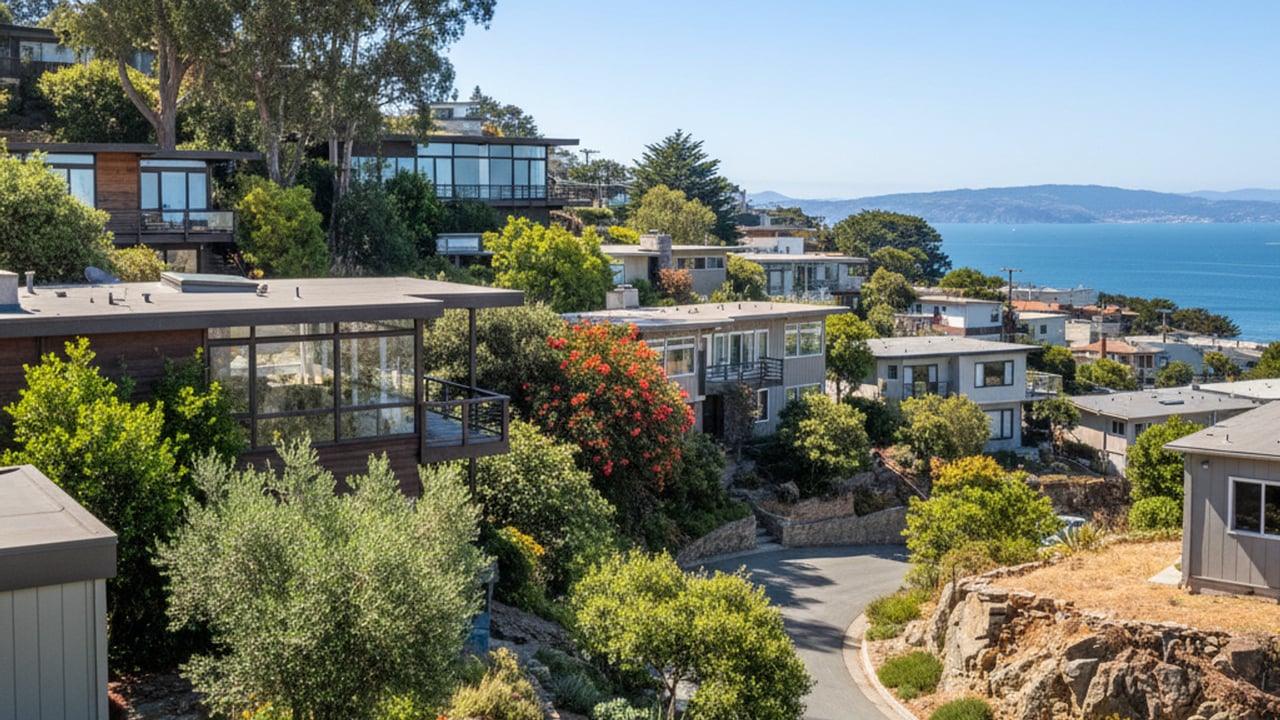
Topography plays a major role in how a real estate appraisal values a lot. Hillside properties with sweeping views appeal to buyers seeking privacy, while flat lots closer to downtown offer higher walkability. Both property styles attract strong interest, but they appeal to different segments of the buyer pool.
The physical infrastructure around a home also dictates its value. Properties located on narrow, winding roads without street parking present challenges for guests and daily deliveries. Homes on wider, easily accessible streets often secure higher offers because of the added convenience.
Evaluating Comps by Specific Micro-Neighborhoods
Looking at citywide data is not enough to accurately price a home here. Sellers should pull comparable sales, or comps, from their immediate micro-neighborhood to see what buyers are willing to pay for similar properties. A targeted approach prevents pricing errors caused by using irrelevant data.
A house located on a steep ridge will not compare neatly to a home on a flat valley floor, even if they share the same zip code. Examining recent sales block by block ensures the pricing strategy reflects the exact environment of the property. Local agents filter out comps that do not share the same fundamental lot characteristics.
Sycamore Park
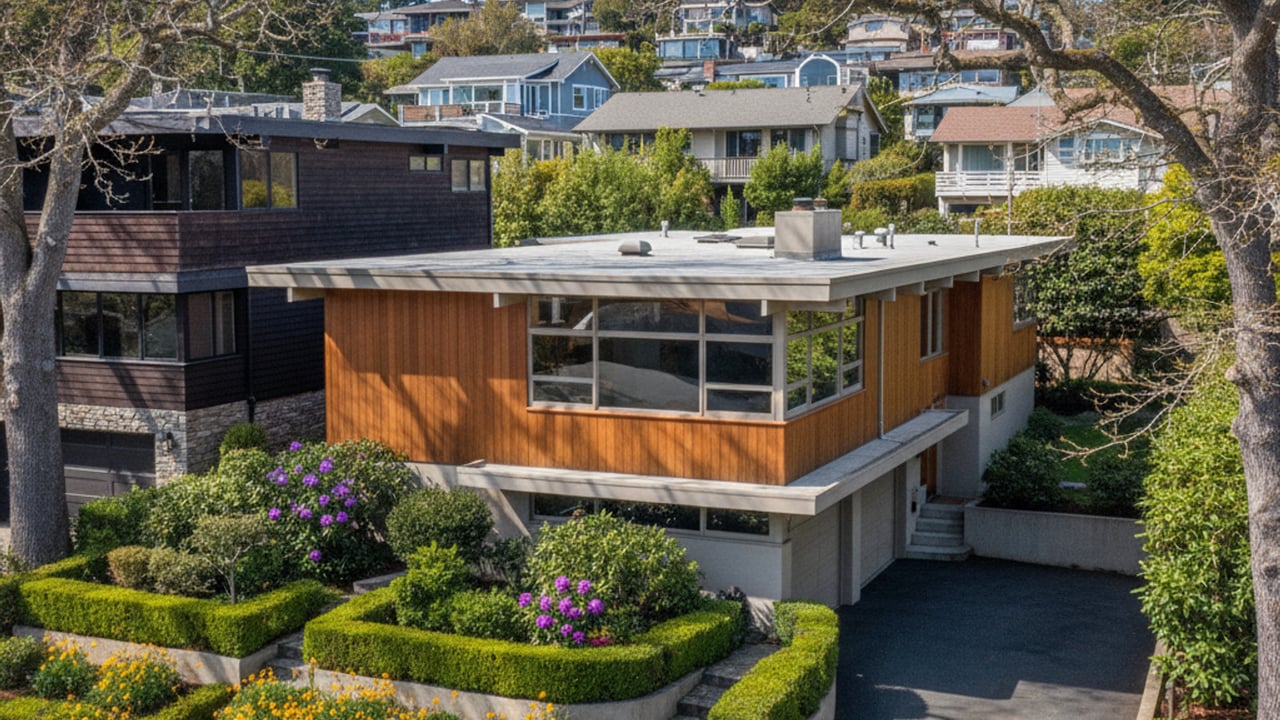
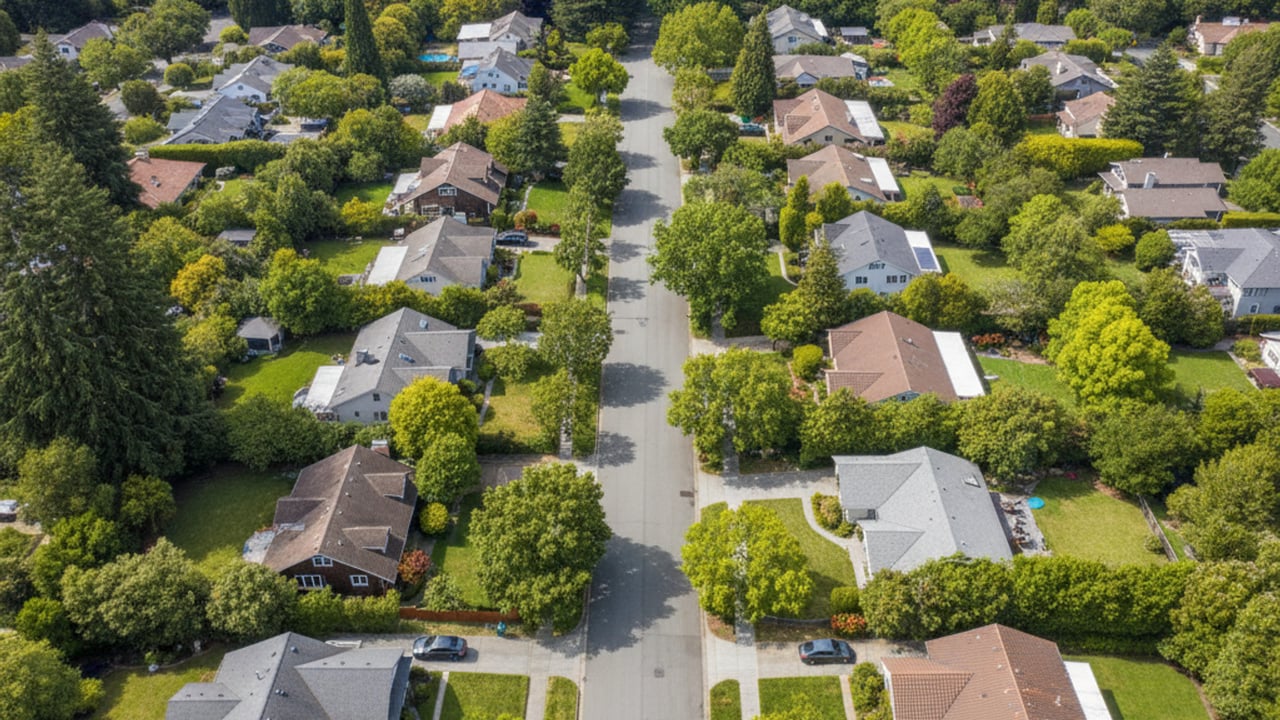
Sycamore Park features flat, tree-lined streets that make walking to the town center easy. Buyers pay a premium for this walkability and the level lots, which are rare in Marin County, CA. The convenience of leaving the car at home drives up demand for this specific enclave.
Homes here often command higher prices per square foot than properties of similar size in the hills. Sellers should only use recent sales within Sycamore Park to gauge their listing price. Including hillside comps will artificially lower the projected value of a flat-lot property.
Homestead Valley
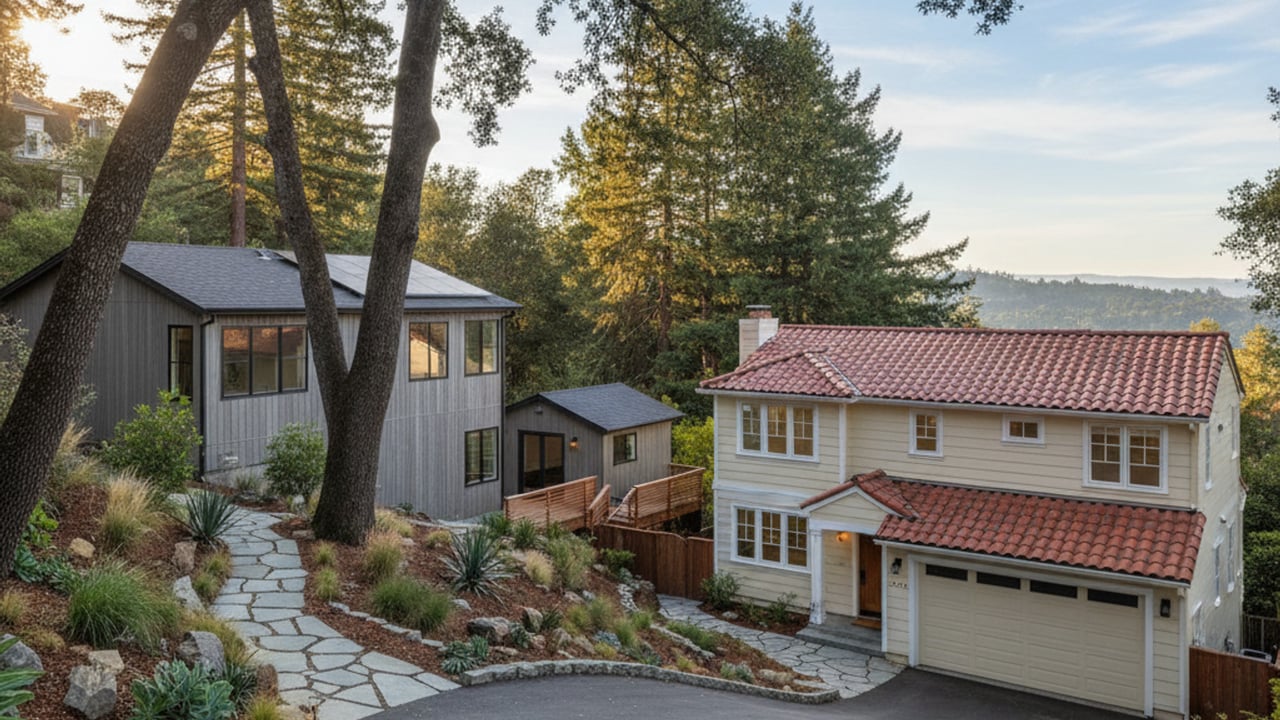
Homestead Valley offers a completely different setting with its wooded terrain and deep shade. Properties in this area attract buyers looking for privacy and integration with the natural landscape. The winding roads and mature redwoods create a distinct environment that buyers specifically seek out.
Pricing here depends on the amount of usable land and the specific sun exposure of the lot. Homes with direct sunlight often sell faster than those positioned in heavy tree cover. Appraisers will adjust values based on the functional utility of the outdoor space.
Strawberry
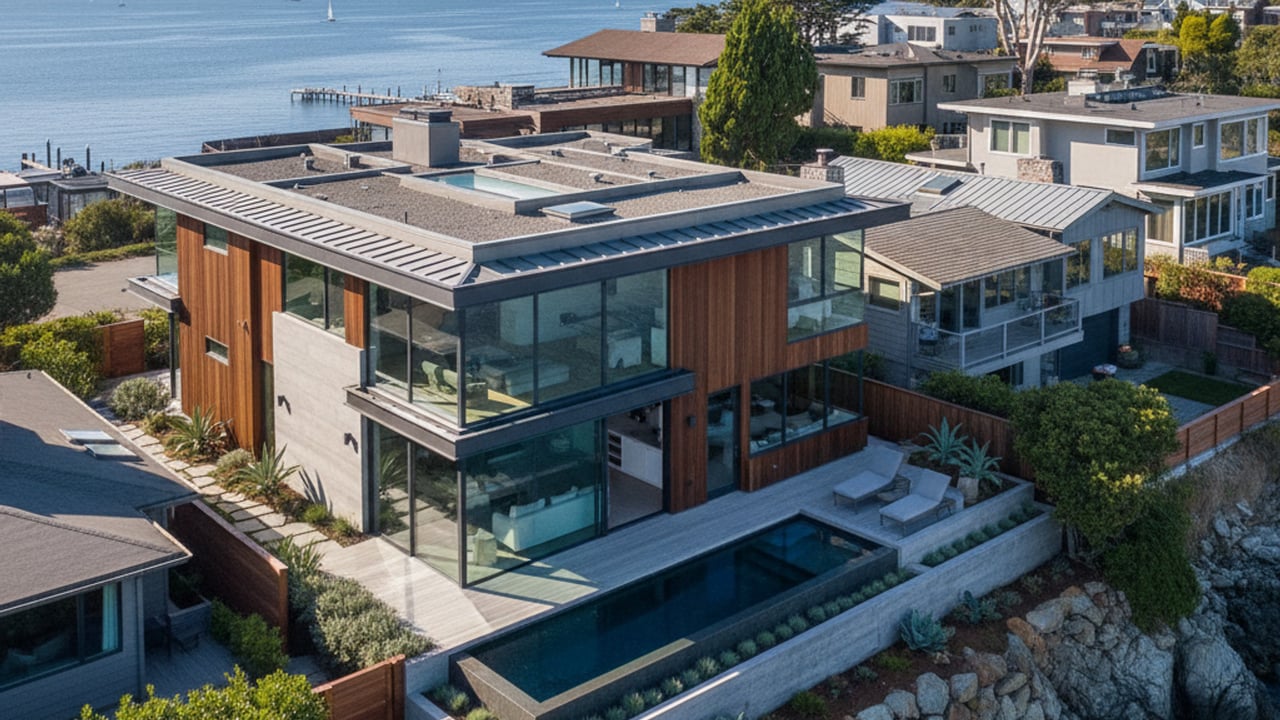
Strawberry sits closer to the water and provides a faster commute to San Francisco via U.S. Route 101. The waterfront proximity and views of the bay drive property values upward in this neighborhood. Buyers value the immediate access to both nature and the highway.
Evaluating comps in Strawberry requires looking at whether the home has direct water access or panoramic views. These features add substantial value during a real estate appraisal. A home set back from the water will price differently than one sitting directly on the shoreline.
How Property Types and Features Alter Value
Large estates near Mount Tamalpais price out differently than smaller cottages near the town center. The size of the home, the age of the structure, and the extent of recent renovation work all shift the final listing price. Buyers typically pay more for turnkey properties that require no immediate construction.
Specific property features can elevate a home above the neighborhood baseline. Sellers should review how the following elements impact their baseline valuation:
-
Permitted additions like a secondary suite (ADU) increase the overall market value by providing flexible living space.
-
Recent kitchen and bathroom renovations yield higher returns and shorten the number of days on market.
-
Usable outdoor entertaining areas add square footage to the functional living space of the home.
The presence of a secondary suite (ADU) has become a major pricing factor in recent years. Many buyers want these units to house aging parents or to generate rental income to offset their mortgage. A fully permitted ADU can push a property into a completely different pricing tier.
Environmental factors also play a role in how buyers view a property. Location within a flood zone or a mapped wildfire risk area can impact insurance costs, which buyers factor into their total monthly housing budget. Sellers must disclose these hazard zones early to comply with state law and avoid surprises during the transaction.
Preparing Your Listing for the MLS
Sellers should complete necessary repairs and a pre-listing inspection before going into escrow. Fixing minor issues upfront prevents buyers from requesting large credits during the negotiation phase. A clean inspection report builds buyer confidence and justifies a strong asking price.
Setting a realistic price from the start generates more foot traffic than testing the market with an inflated number. Buyers have access to the same pricing trends and quickly recognize when a home is overpriced. An inflated price tag often results in the property sitting untouched for weeks.
A well-prepared home paired with an accurate asking price creates a strong position for the seller. This approach maximizes the chances of receiving strong offers within the first few weeks on the market. Homeowners who price correctly from day one retain the most control over the sale.
Frequently Asked Questions
What is the average price per square foot in Mill Valley, CA?
The average price per square foot ranges from $965 to $1,170 as of May 2026. This number fluctuates depending on whether the home is a modernized estate or an older cottage needing updates. Properties with premium views or flat lots often push past the higher end of this range.
How do flood zones and wildfire risks affect Mill Valley home prices?
Properties in designated hazard zones often face higher insurance premiums, which can reduce a buyer's purchasing power. Sellers in these areas should expect buyers to factor those ongoing costs into their initial offer price. Clear documentation of fire mitigation efforts can help preserve the home's value.
Why is it better to price competitively rather than test the market with a higher price?
Overpricing a home usually leads to longer days on market, causing buyers to wonder if the property has hidden defects. Pricing accurately from day one attracts more showings and increases the likelihood of receiving multiple offers. A stagnant listing eventually requires a price drop, which weakens the seller's negotiating position.