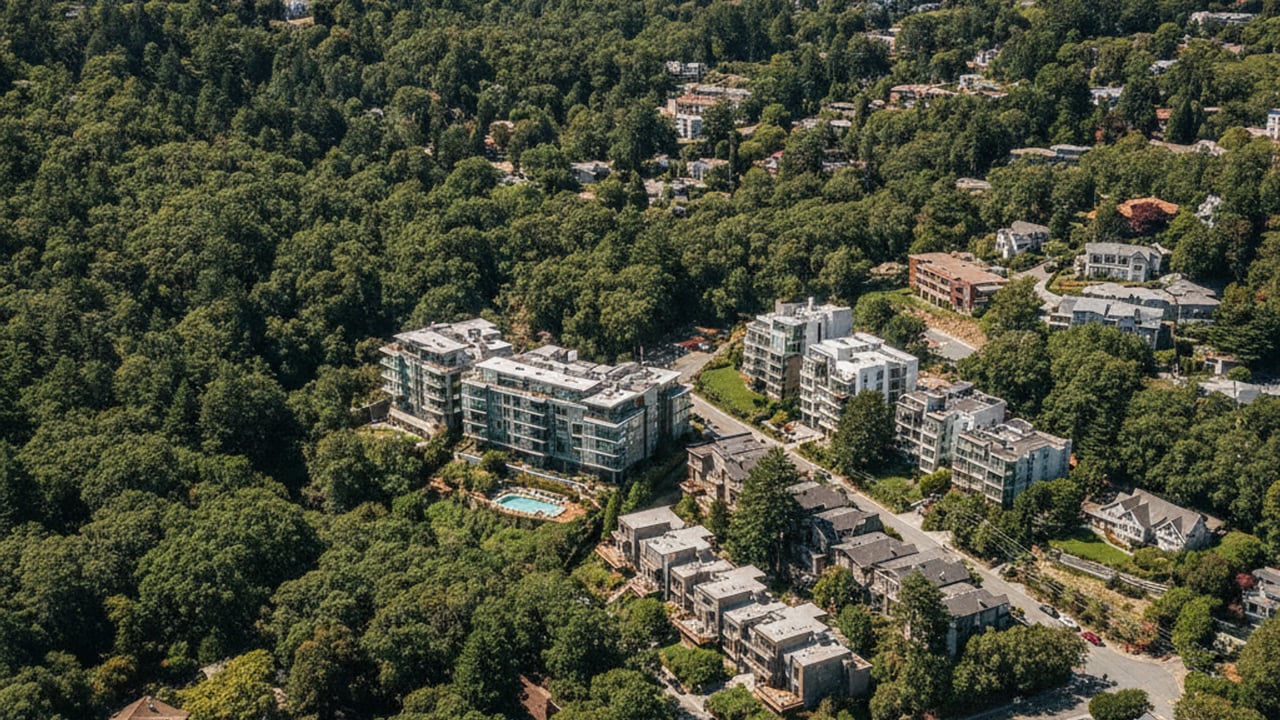
Mill Valley, CA sits right at the base of Mount Tamalpais, offering a forested retreat just north of the Golden Gate Bridge. With median home sale prices hovering around $3,227,500 and properties spending roughly 9 days on the market, renting is a practical entry point into this Marin County community. Many residents prefer to rent first before finding the best real estate agent in Mill Valley, CA to buy a permanent residence.
Renters here pay a premium for the location, the redwood canopy, and the proximity to San Francisco. Monthly lease rates reflect the high demand for housing near the city and the limited amount of buildable land in the canyons.
Current Rent Prices by Apartment Size
As of June 2026, studio apartments in Mill Valley average between $2,250 and $2,323 per month. These smaller units offer a more affordable way to live near the downtown commercial district.
If you need more space, a one-bedroom unit typically ranges from $2,700 to $3,054. Two-bedroom apartments command higher prices, generally landing between $3,312 and $3,822 a month.
Renting a full house pushes those figures higher. Three-bedroom single-family homes start around $4,900 and frequently exceed $5,500 depending on the yard size and views.
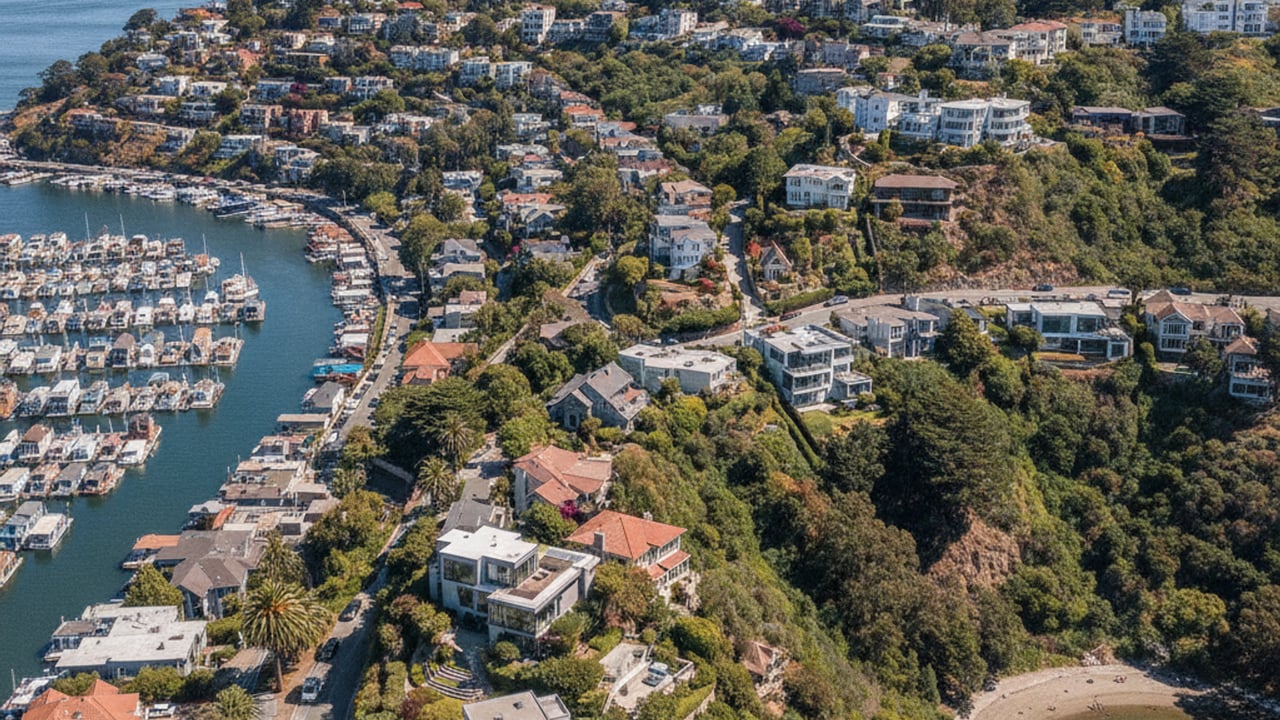
Exact lease rates fluctuate based on where the property sits on the hillside. Homes positioned at higher elevations with unobstructed views of the bay cost more than standard units near the valley floor.
Property Types Available for Rent
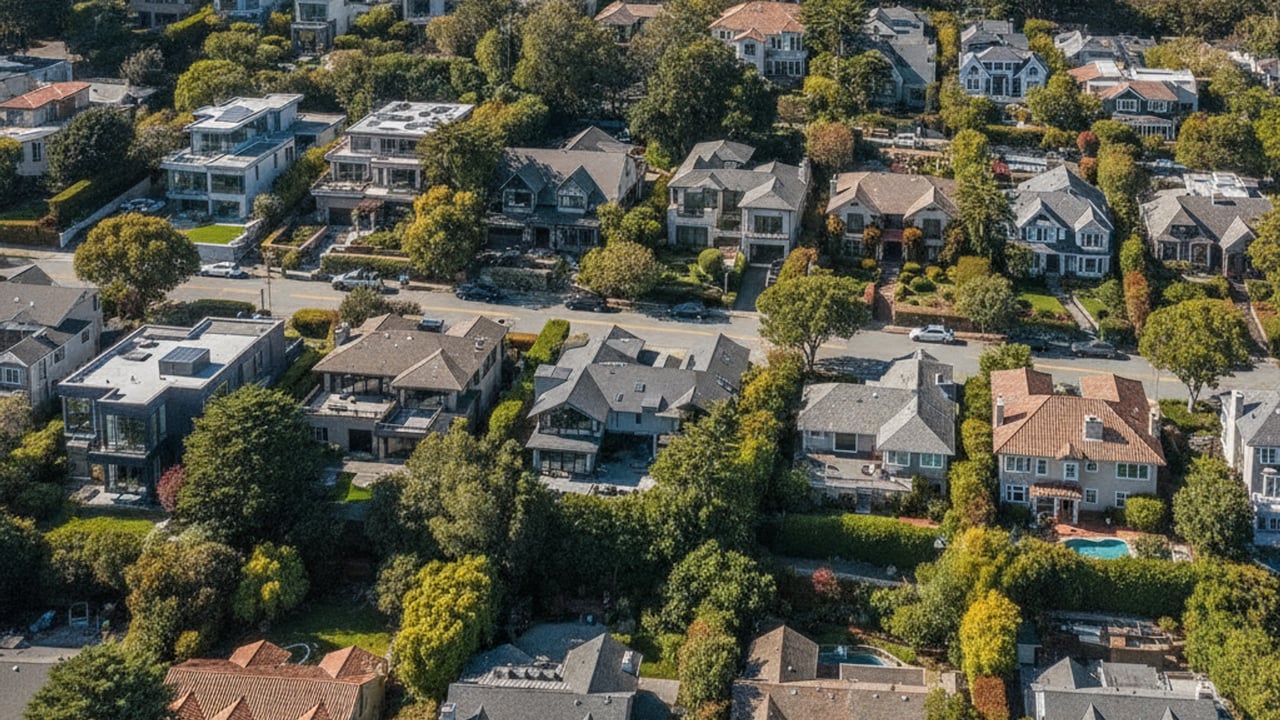
The local rental market includes everything from modern apartment complexes to secluded cabins. Multi-unit complexes are mostly clustered near downtown and major transit routes. Renters can also find townhomes and condominiums that include shared facilities like pools or fitness centers.
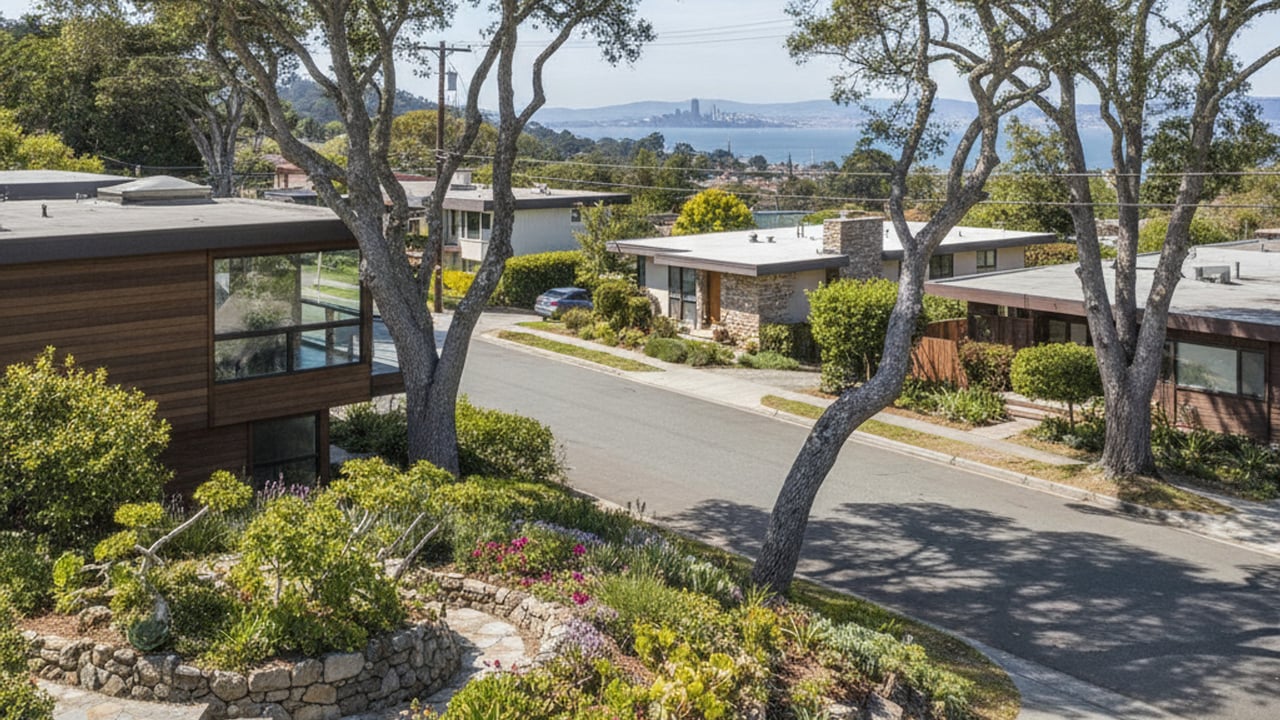
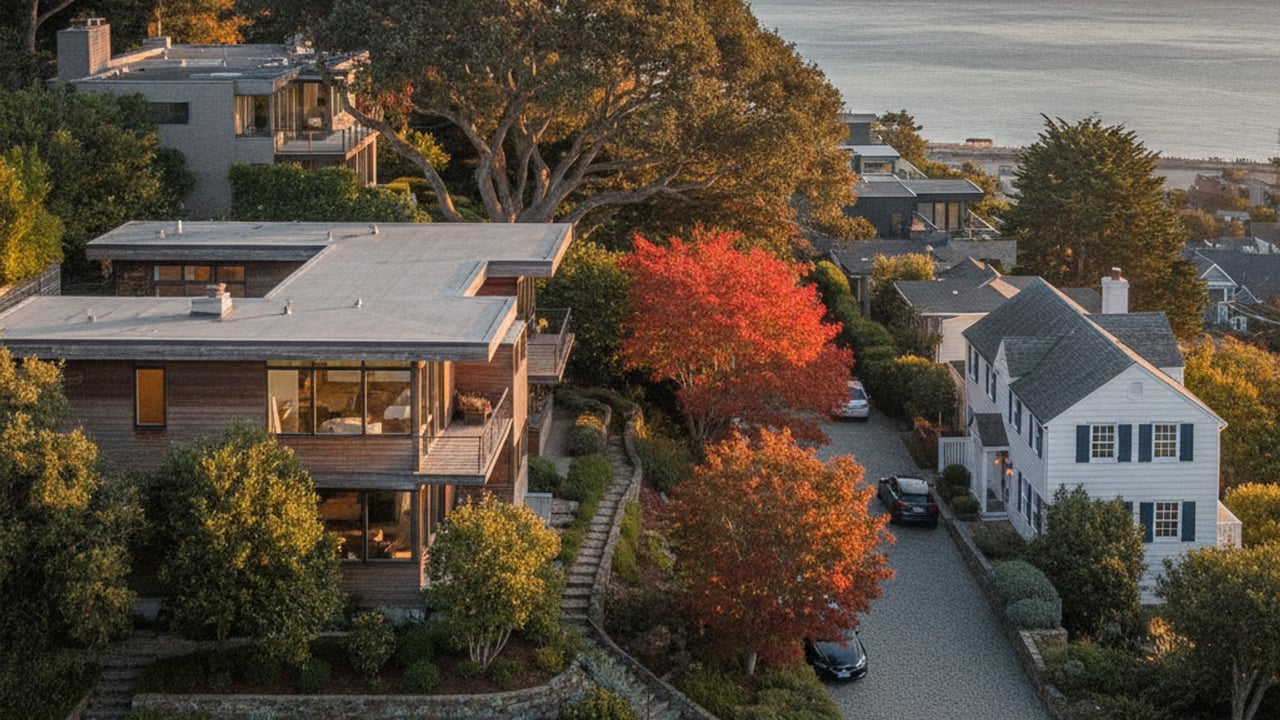
Single-family properties make up a large portion of the rental market, especially along the slopes of Mount Tamalpais. These houses often feature expansive decks and large windows to maximize natural light.
Sunlight exposure is a major factor when choosing a rental here. Properties located deep in the redwood canyons receive far less direct sunlight than homes built out on the open valley floor.
Commute Times to San Francisco
Most commuters driving from Mill Valley to San Francisco use Highway 101. During morning rush hour, the drive across the Golden Gate Bridge takes about 30 to 65 minutes. Traffic bottlenecks frequently occur near the bridge toll plaza and the Waldo Grade.
The Sausalito Ferry offers a scenic alternative to driving. The water crossing itself takes 25 to 35 minutes, but you should budget 45 to 75 minutes door-to-door to account for parking and boarding.
Regional bus routes provide another transit option. Golden Gate Transit and Marin Transit operate commuter lines that run directly into the city center.
Local Parks, Trails, and School Districts
Mill Valley provides immediate access to some of Northern California's most famous outdoor spaces. The community sits just minutes from the hiking trails of Mount Tamalpais State Park and the old-growth redwoods at Muir Woods National Monument.
Closer to town, Old Mill Park offers picnic areas right alongside the local retail stores on Miller Avenue. This central corridor contains grocery stores, cafes, and daily service businesses.
Residents in the area are zoned for specific local school districts based on their address. Public elementary and middle schools operate within the Mill Valley School District.
Public high schools fall under the Tamalpais Union High School District. You should verify exact boundary lines with the district office before signing a lease, as zoning maps change over time.
Comparing the Local Cost of Living to San Francisco
Renting in Mill Valley costs roughly 85% more than the national average. While prices are steep, they often align closely with San Francisco's rental market. The main difference is what you get for your money, as Marin County rentals typically offer more square footage and outdoor acreage than city apartments.
Landlords generally require your gross monthly income to be at least three times the rent. To comfortably afford a $3,054 one-bedroom apartment, a household needs an annual income of approximately $122,000.
This high cost of entry extends to the purchase market as well. With homes selling for roughly 114% of their list price and inventory limited to around 21 active listings, many residents choose to rent long-term rather than buy.
Frequently Asked Questions
How much is the average rent in Mill Valley, CA?
As of 2026, a standard one-bedroom apartment in Mill Valley averages between $2,700 and $3,054 per month. Studio apartments run closer to $2,300. Single-family homes with three or more bedrooms typically start around $4,900.
What salary do I need to afford rent in Mill Valley, CA?
Most property managers expect your pre-tax income to be three times the monthly rent. If you lease a $3,054 apartment, you should earn at least $110,000 to $122,000 a year. Larger homes renting for $5,500 require a household income closer to $198,000.
Are rent prices in Mill Valley currently going up or down?
Rental rates in the area have remained relatively stable through the first half of 2026. However, limited inventory and high demand for single-family homes keep prices firm. Landlords rarely offer move-in specials or deep discounts.
How does rent in Mill Valley compare to other cities or the national average?
Lease rates here sit more than 85% above the national average. Prices are comparable to upscale neighborhoods in San Francisco, though Marin County properties usually provide more outdoor space. Renting here costs far more than in inland California cities.
What is the average rent difference between a one-bedroom and two-bedroom apartment in Mill Valley?
Upgrading from a one-bedroom to a two-bedroom unit typically adds $600 to $800 to your monthly housing costs. A standard one-bedroom hovers around $2,800, while two-bedroom layouts often exceed $3,500. This price jump reflects the high demand for extra space.
Do renters in Mill Valley typically pay extra fees for parking or commuting costs to San Francisco?
Many apartment complexes charge separate monthly fees for reserved parking spaces. Commuters also face daily expenses, as bridge tolls and ferry tickets add up quickly. You should factor an extra $200 to $400 into your monthly budget for transit and parking.