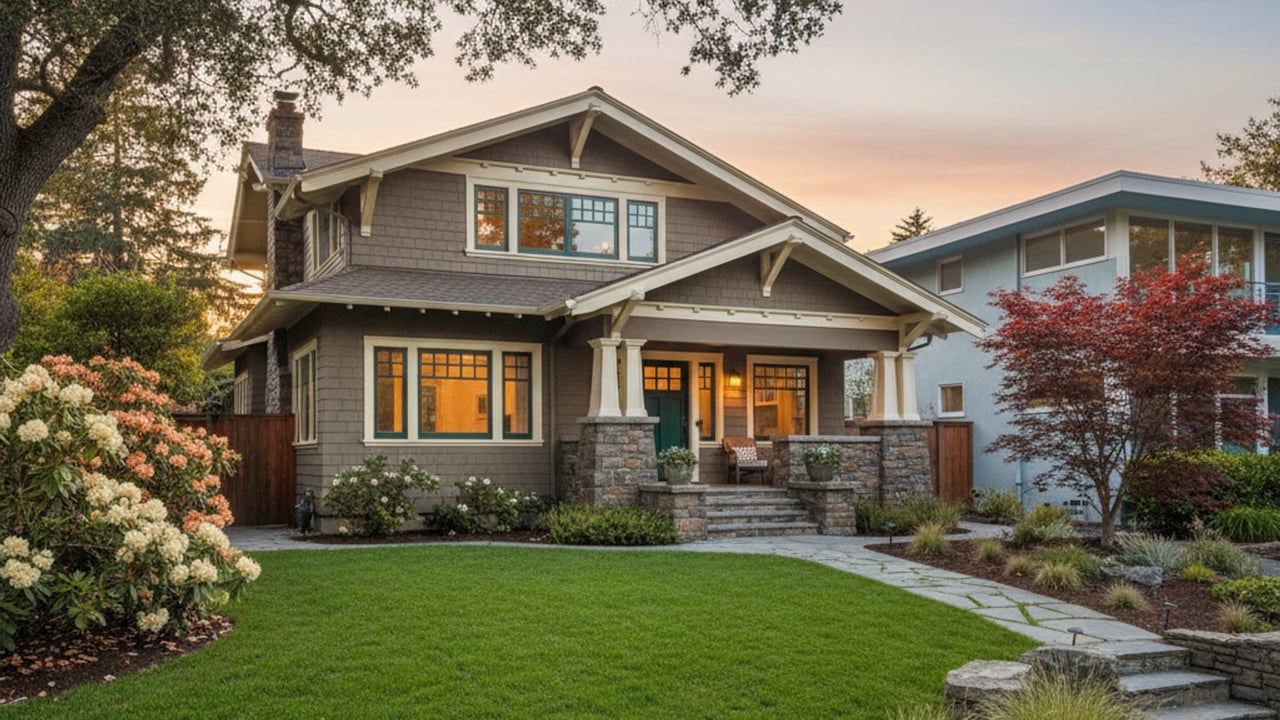
The median home sale price in Mill Valley, CA sits around $2.4 million as of mid-2026. Buyers shopping in this price bracket expect a turnkey, move-in ready property from the moment they walk through the front door.
A vacant or cluttered house makes it difficult for potential buyers to visualize the floor plan and the daily lifestyle a property offers. Proper furnishing and design work translate directly into faster sales and higher offers.
Data from the National Association of Realtors shows that 81% of buyer's agents say staging helps their clients picture a property as their future home. Applying a few proven techniques can make a substantial difference in how your listing performs on the Marin County market.
How Presentation Impacts Final Sale Prices
Buyers scrolling through the MLS form an opinion about a property within seconds of seeing the first photograph. If a living room looks cramped or a primary bedroom feels dark, they will likely skip the listing entirely.
Staging provides a sense of scale that empty rooms lack. Without a bed or a sofa for reference, buyers often underestimate the size of a bedroom or living area.
Adding appropriate furniture and art helps buyers understand the intended use of awkward spaces, like a small alcove or an open-concept living room. When buyers can easily envision themselves using the entire home, they are more likely to submit strong, competitive offers.
Staging Costs and Potential Returns in Marin County
Luxury vacant staging in California typically costs between $4,000 and $10,000 or more, depending on the square footage of the property. Partial staging for an occupied home, which utilizes some of your existing furniture, generally falls on the lower end of that spectrum.
Sellers should view this budget as a marketing investment rather than an unrecoverable expense. A well-staged property often commands a premium that easily covers the initial outlay.
For example, a 5% increase on a $2.4 million Mill Valley home yields an additional $120,000 at closing. When compared to a $10,000 staging fee, the financial benefit of preparing the home becomes clear.
Room-by-Room Preparations for Mill Valley Homes
Preparing a home for the market requires a methodical approach to each room. The goal is to create a neutral, welcoming environment that appeals to a broad range of buyers.
In the living room, sellers should clear daily clutter and depersonalize the space so the room feels larger. Removing family photos and excessive knick-knacks allows buyers to focus on the architectural details.
Kitchens and primary bedrooms require special attention before listing photography. Updating the kitchen with fresh paint, modern hardware, and clear countertops goes a long way, while the bedroom benefits from high-quality white linens and maximized natural lighting.
Highlighting Views and Outdoor Spaces
Many buyers look in Mill Valley specifically for the natural surroundings and outdoor lifestyle. Sellers should arrange indoor furniture to face large windows or views of Mount Tamalpais whenever possible.
Decks and patios require just as much attention as the interior. Adding outdoor seating and potted plants showcases the indoor-outdoor flow that defines California living.
For properties shaded by old-growth redwoods, maximizing light is a priority. Keeping window treatments open and adding warm artificial lighting helps brighten these spaces.
Adapting to Specific Architectural Styles
Marin County features a wide mix of architectural styles, from mid-century modern designs to traditional Craftsman estates. The staging furniture should complement the specific era and style of the house.
Mid-century modern properties benefit from minimalist, period-appropriate furniture that maintains clean lines. For a Craftsman home, the staging should highlight built-in woodwork and traditional details without feeling dated.
Hillside homes often feature unconventional floor plans or multi-level layouts. Using strategically placed lighting and mirrors can enhance these unique spaces and make tight hallways feel more open.
Common Mistakes to Avoid Before Listing
Certain staging errors consistently distract buyers and lower the perceived value of a home. Correcting these missteps before the first open house will keep the focus on the property's best features.
Many homeowners instinctively push all their furniture against the walls in an attempt to make rooms look bigger. This approach disrupts the natural flow of the room and creates a cold, uninviting atmosphere.
Sellers should watch out for these frequent mistakes when preparing their property:
-
Leaving personal items, mail, or small appliances visible on kitchen counters.
-
Keeping bold or unusual paint colors instead of repainting with neutral tones.
-
Failing to remove all evidence of pets, including beds, bowls, and odors.
-
Over-furnishing spaces, which makes the square footage feel smaller than it is.
Hiring a Professional Stager Versus Doing It Yourself
Deciding whether to hire a local home stager or take a DIY approach depends on your budget, timeline, and the current condition of the house. Both options can yield positive results if executed correctly.
DIY decluttering and partial staging make sense for sellers on a tight budget who already own neutral, high-quality furniture. A homeowner can often handle painting, deep cleaning, and rearranging rooms without outside help.
Hiring a professional brings the advantage of a boutique inventory of furniture and art scaled specifically for luxury properties. Real estate agents often coordinate directly with professional stagers to ensure the entire home photographs well for the MLS.
Frequently Asked Questions
Does staging increase the sale price of a home?
Yes, preparing a property properly often leads to a higher final sale price. Buyers are generally willing to pay a premium for a home that requires no immediate aesthetic work. A well-presented house can easily return double or triple the initial staging investment at closing.
How much does it cost to stage a 2000 square foot house in California?
Staging a vacant 2,000-square-foot house in California typically ranges from $5,000 to $8,000 for a standard multi-month contract. Prices fluctuate based on the quality of the furniture and how many rooms require full setups. Occupied staging consultations usually cost much less, often starting around $500.
What is the 3 foot 5 foot rule in staging a home?
The 3-foot 5-foot rule is a standard design guideline for spacing and art placement. Sellers should leave at least 3 feet of walking space between furniture pieces to keep pathways clear. Artwork should hang at eye level, which is roughly 5 feet from the floor to the center of the piece.
Which rooms should I prioritize when staging a Mill Valley home?
Sellers should focus their budget on the living room, kitchen, and primary bedroom. These areas carry the most weight in a buyer's decision-making process. If funds allow, updating outdoor decks is also a smart move for Marin County properties.