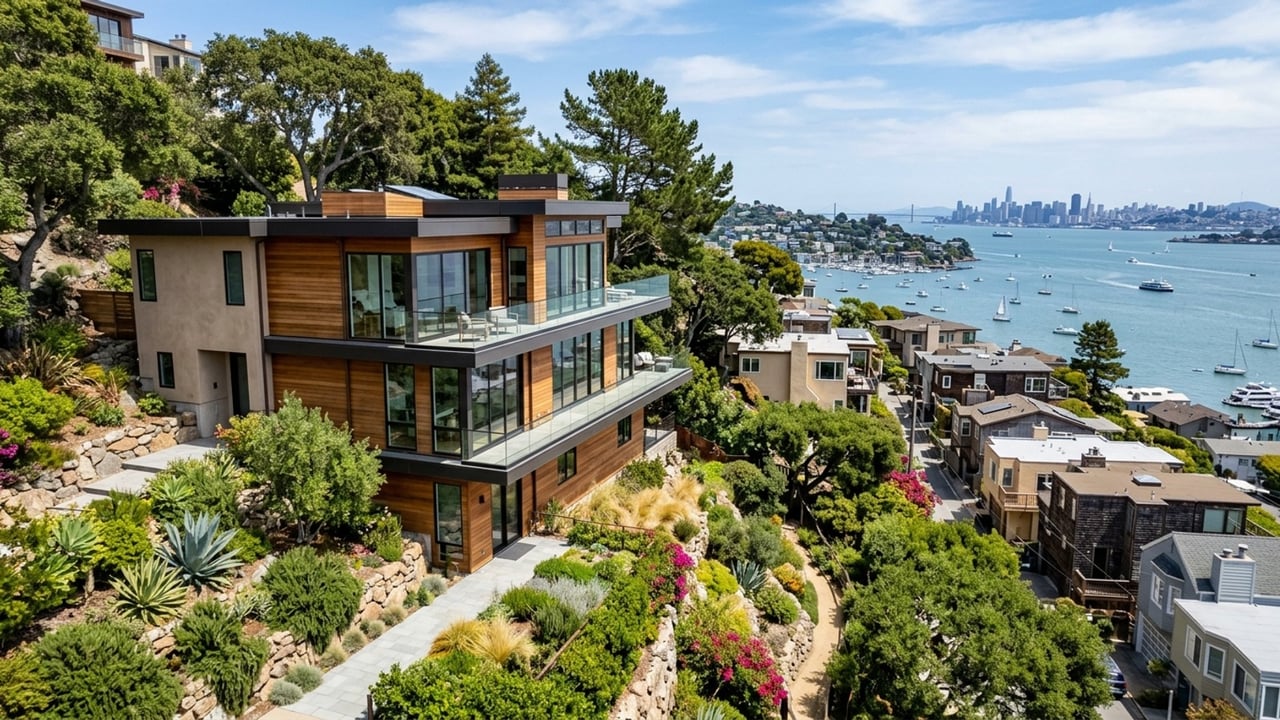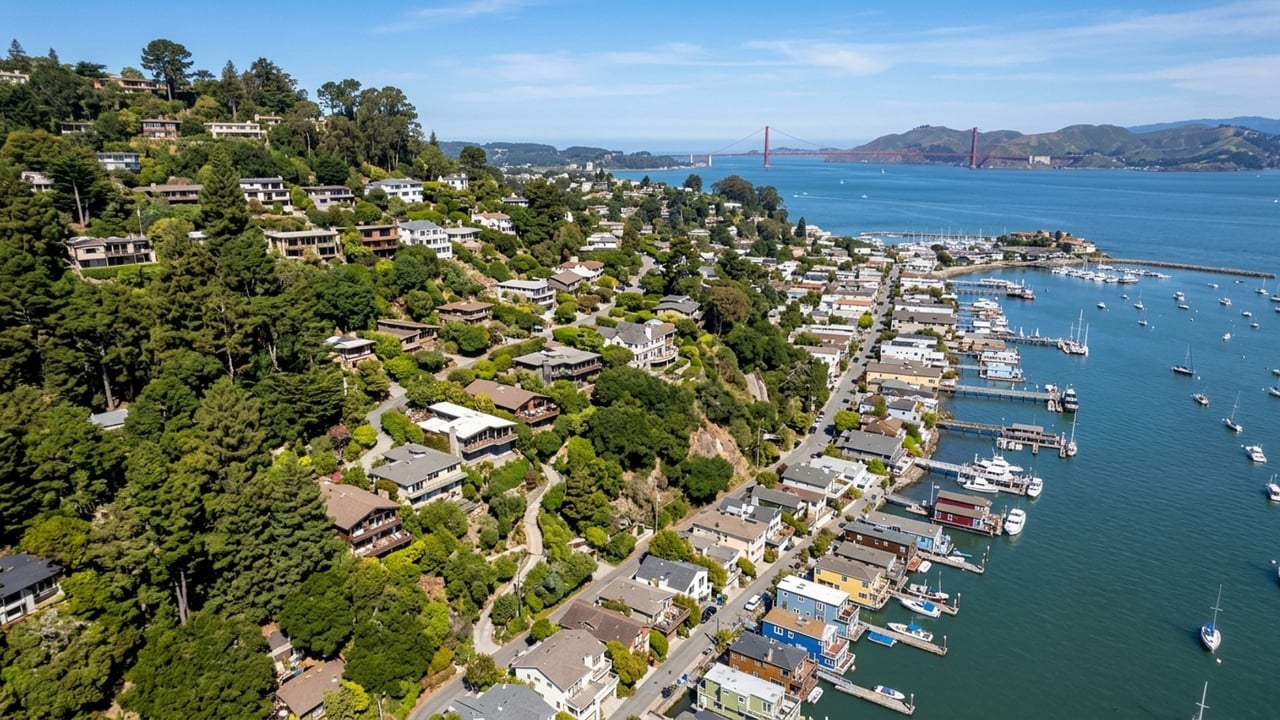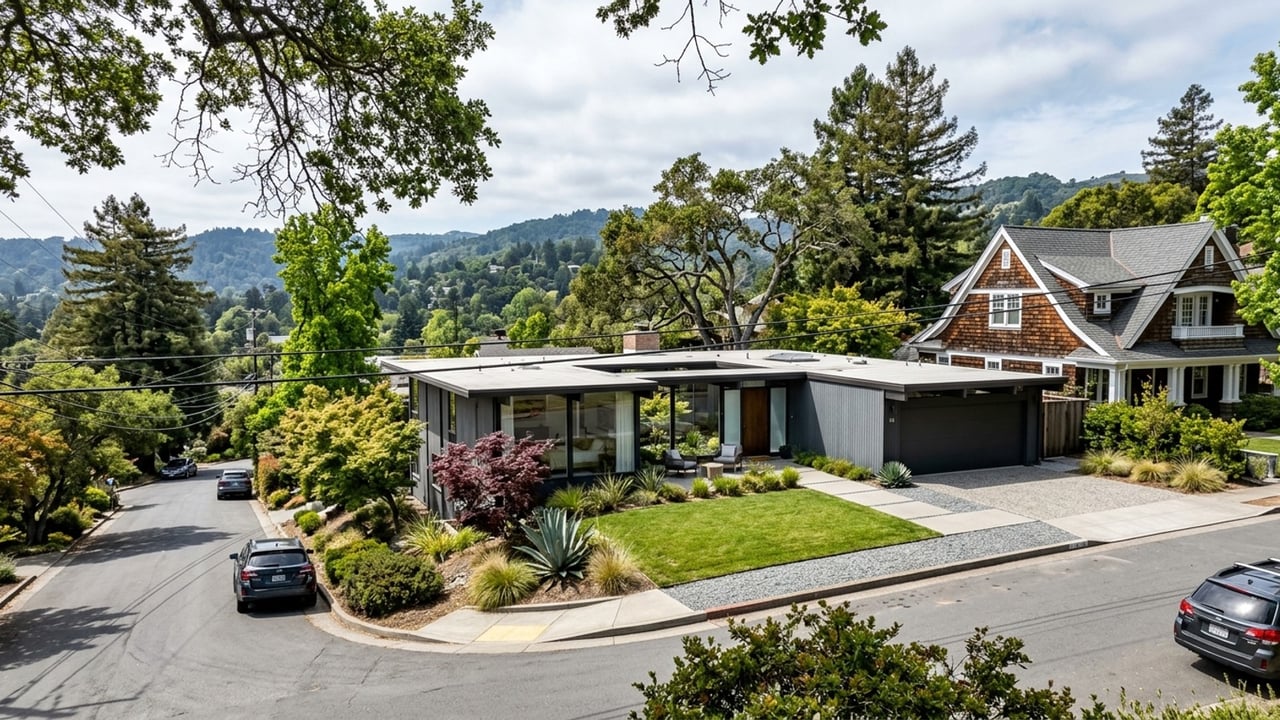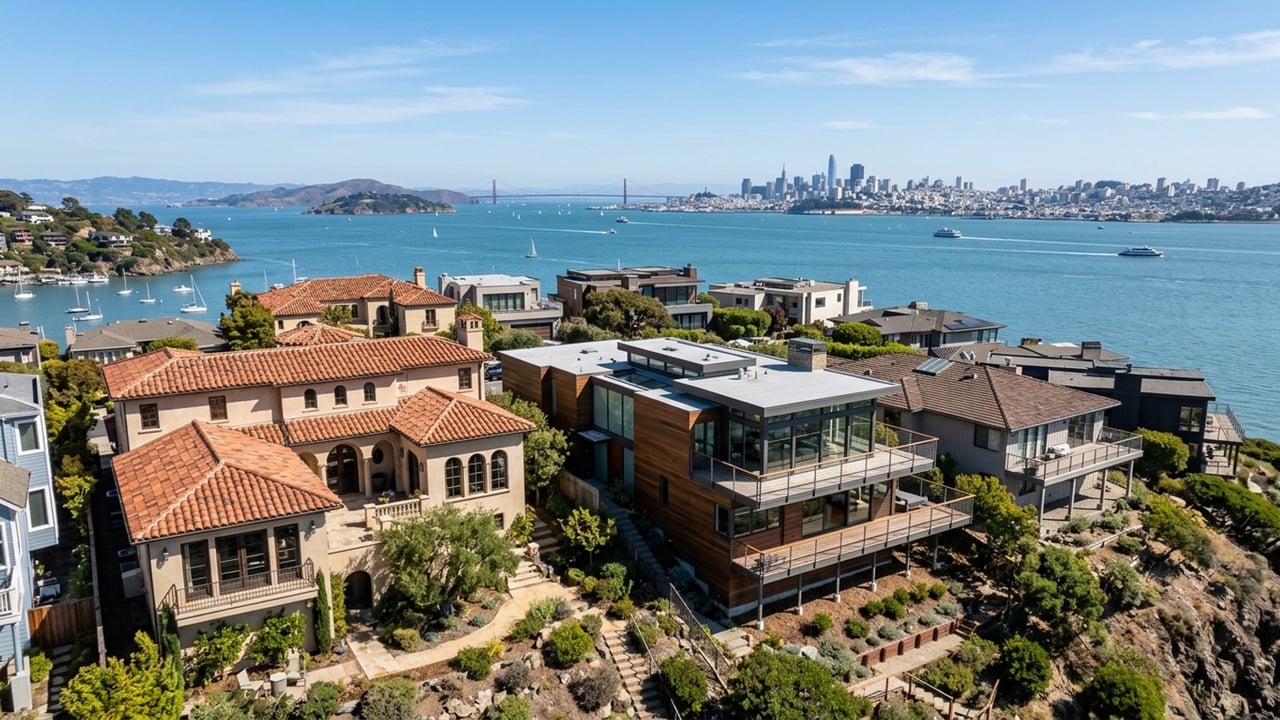
Sausalito stands out as one of the most iconic waterfront markets in the Bay Area. Buyers are consistently drawn to the hillside architecture and sweeping views of the San Francisco Bay. The unique geography of the area creates a highly constrained real estate market with very little room for new development.
Relocating to this premier coastal enclave requires careful financial planning, as the cost of living in Sausalito CA sits approximately 180% to 187% higher than the national average. Navigating this market in 2026 means budgeting for premium housing, specialized commute expenses, and higher daily utilities. Those who choose to move here are investing in a lifestyle heavily tied to the water and the outdoors.
Understanding these localized expenses is crucial before making a move to Marin County. This guide details exactly what to expect from real estate prices, local taxes, and everyday costs. Prospective residents can use this information to build a realistic budget for their Bay Area relocation.
Beyond the immediate city limits, the broader Marin County region offers an extensive network of luxury amenities and services. The local economy is uniquely positioned to cater to residents who demand high-quality goods and specialized labor. This concentration of wealth and premium services naturally elevates the baseline cost of everything from home repairs to daily conveniences.
Sausalito Housing Market Costs: Median Home Prices and Rent
Real estate in Sausalito commands a significant premium due to the limited inventory and highly sought-after waterfront access. Buyers entering the market quickly realize that steep hillsides and stringent zoning laws naturally restrict new development. This lack of new construction ensures that existing properties retain their high valuations year after year.
Historical preservation efforts also play a major role in shaping the current housing supply. Many older homes are protected by local ordinances, meaning renovations require specialized contractors and extensive permitting processes. These regulatory hurdles add significant hidden costs for buyers looking to update older properties.
Current median home prices generally range from $1,500,000 to $2,100,000, depending heavily on the property style and view. Detached single-family homes routinely average closer to $2,500,000, especially those offering unobstructed views of the San Francisco skyline or the Golden Gate Bridge. These premium properties often feature custom hillside engineering and extensive outdoor decking to maximize the scenic location.
Smaller condominiums and the city's famous floating homes offer entry points on the lower end of the pricing spectrum. These alternative housing options provide a way to access the local lifestyle without the multi-million dollar price tag of a detached house. However, buyers must carefully review the unique maintenance requirements associated with marine environments.
The rental market is equally competitive, driven by steady Bay Area demand that keeps housing costs well above the national baseline. Renters should expect average monthly costs hovering between $4,000 and $4,500 for a standard one- or two-bedroom apartment. Securing a lease often requires moving quickly, as desirable units with water views rarely stay on the market for long.
Beyond standard rent, tenants must also prepare for substantial upfront move-in costs. Landlords routinely require the first month of rent alongside a security deposit equal to or exceeding one month of rent. This means securing a standard apartment can easily require an initial outlay of nearly $10,000.
Property Taxes and HOA Expectations in Marin County
Navigating property taxes is a major component of any housing budget in California. The Marin County median effective property tax rate sits at approximately 1.37%, which is applied to the assessed value of the home at the time of purchase. This rate structure forms the baseline for annual municipal revenue in the region.
Because California limits annual assessed value increases, new buyers take on current market assessments that are often much higher than those of long-term neighbors. This system means two identical houses next door to each other can have drastically different tax bills. Buyers must factor this immediate reassessment into their long-term financial planning.
Buyers must also account for local assessments, such as the 2025/2026 parcel tax for the Sausalito Marin City School District. This specific education tax adds $0.15 per building square foot up to a maximum of 23,000 square feet. These localized fees directly support the infrastructure and public services that maintain the area's high standards.
New homeowners should also anticipate supplemental tax bills during their first year of ownership. These bills cover the difference between the previous owner's assessed value and the newly established market value. Planning for this temporary financial overlap is a critical step in managing the initial transition into the area.
Beyond municipal taxes, many hillside condominiums and waterfront properties carry substantial monthly fees. Floating homes require budgeting for marina berth fees and specialized homeowners association dues that maintain the docks and shared infrastructure. Traditional condominiums also levy significant monthly charges to cover exterior maintenance in the harsh coastal climate.
In addition to standard HOA dues, securing comprehensive property insurance is an increasingly complex expense in CA. Properties located on steep hillsides or near the water often require specialized coverage for potential earth movement or flooding. These premium insurance policies add another layer of fixed monthly costs to the overall housing budget.
Transportation Costs and Commuting to San Francisco
Getting around the Bay Area is a distinct experience for Sausalito residents, especially since the city does not connect to the BART system. Locals instead rely on a robust network of ferries, buses, and highway routes to access downtown San Francisco. This transit infrastructure is heavily utilized by commuters heading into the financial district each day.
The Golden Gate Ferry remains the most scenic and efficient commute option, bypassing bridge traffic entirely. An adult paper ticket costs $14.00 for a one-way trip, but using a Clipper card drops that fare down to a much more manageable $8.25. The ferry terminal is centrally located, making it highly accessible for residents living near the downtown waterfront.
For those who prefer to drive or take the bus, crossing the Golden Gate Bridge comes with its own set of daily expenses. Golden Gate Transit buses charge an $8.75 cash fare for rides from Zone 2 or 3 into San Francisco. Commuters driving personal vehicles must budget for the electronic bridge tolls, which adjust based on the payment method and time of day.
Relying on public transit can significantly mitigate the high costs of vehicle ownership, gas, and parking in the city. The convenience of these transit options makes the daily commute a strong selling point for the area. Many residents find that minimizing car usage is both a financial benefit and a practical lifestyle choice.
Biking into the city is another popular alternative that leverages the dedicated paths along the bridge. Many residents invest in electric bicycles to navigate the steep local topography before making the relatively flat crossing over the water. This active commute eliminates transit fares entirely while providing an exceptional daily workout.
Commuters who do choose to drive face massive premiums for parking in downtown San Francisco. Monthly parking garages in the financial district routinely charge several hundred dollars. This steep financial penalty is exactly why the local ferry and bus systems remain the preferred transit methods.
Everyday Expenses: Utilities, Groceries, and Healthcare
Beyond housing and transit, basic goods and services in Sausalito carry a noticeable Bay Area premium. Residents must budget for localized costs that consistently outpace the national average across almost every category. Understanding these daily outlays is essential for maintaining a comfortable standard of living.
Utility bills are particularly steep, running about 49% higher than the national baseline. Local electricity rates from PG&E currently range from 34 to 60 cents per kilowatt-hour, depending on the specific time-of-use plan selected. Municipal water, sewer, and garbage services add significant fixed costs each month, reflecting the high cost of infrastructure maintenance in CA.
A trip to the grocery store also reflects the elevated local economy, with food prices running 16% to 22% higher than average. Shoppers paying for premium local markets and organic produce will see those daily expenses add up quickly. Dining out at the local waterfront restaurants further increases the monthly food budget, as hospitality costs mirror the broader regional inflation.
Healthcare access is excellent but comes with proportional pricing. Proximity to top-tier networks like MarinHealth Medical Center ensures quality care, though local healthcare costs sit approximately 24% above the national baseline. Residents benefit from a high concentration of medical specialists, but they pay a premium for that localized convenience.
High-speed internet and mobile services represent another mandatory utility expense for daily life. The area is well-serviced by major telecommunications providers, but gigabit connection plans often sit at the highest pricing tiers. Reliable connectivity is especially critical for residents managing remote and hybrid work schedules.
Fitness and wellness services also reflect the affluent nature of the local market. Memberships at boutique gyms, yoga studios, and specialized training facilities carry premium price tags compared to standard national chains. Residents gladly pay these rates to access high-end equipment and highly qualified local instructors.
Community Amenities and Lifestyle Costs
The true draw of Sausalito is the unparalleled access to marine recreation and outdoor spaces. Residents pay a premium for this environment, but the objective quality of life and scenic surroundings easily justify the investment. The local culture is deeply intertwined with the historical shipbuilding industry and the ongoing preservation of the waterfront.
Boating and marina culture are central to the local lifestyle, requiring specific financial commitments from water enthusiasts. Marina berth fees at locations like the Richardson Bay Marina currently run approximately $15.50 per lineal foot per month. Boat owners must factor these docking fees, along with standard vessel maintenance, into their discretionary spending.
The city also maintains an extensive public parks system and offers immediate access to world-class natural reserves. Living here means being just minutes away from the hiking trails of the Marin Headlands and the towering redwoods of Muir Woods. These protected lands provide endless opportunities for outdoor recreation without requiring long drives out of the county.
The local arts and culture scene provides ongoing entertainment that enriches the community experience. Galleries and seasonal art festivals line the downtown corridor, showcasing regional talent and drawing visitors from across the bay. Supporting this creative economy is a point of pride for locals, though it does represent another avenue of discretionary spending.
The mild, Mediterranean-style climate extends the outdoor recreation season year-round. This weather consistency means residents get maximum value out of their investments in boats, bicycles, and outdoor gear. The ability to utilize these amenities in any season is a major factor in justifying the high cost of living.
Ultimately, the high cost of entry buys immediate proximity to some of the most protected and visually stunning landscapes in CA. The financial investment translates directly into a lifestyle centered around the water and the outdoors. Buyers who prioritize geographic beauty and transit convenience will find the local market highly rewarding.
Frequently Asked Questions About Sausalito CA Cost of Living
Is Sausalito, CA an expensive place to live?
Yes, Sausalito is one of the more expensive markets in the United States. High real estate values and Bay Area premiums on daily goods make it a costly location. The median home price typically exceeds $1,500,000, which sets a high barrier to entry for new residents.
What is the cost of living index in Sausalito, CA?
The overall cost of living index for Sausalito is approximately 180% to 187% of the national average. This high index is primarily driven by housing expenses, which far exceed typical national baselines. Utilities and transportation also contribute significantly to this elevated metric.
How much does the ferry from Sausalito to San Francisco cost?
A one-way adult paper ticket on the Golden Gate Ferry costs $14.00. Riders who use a Clipper card receive a discounted rate of $8.25 per trip. This makes the Clipper card an essential investment for daily commuters crossing the bay into San Francisco.