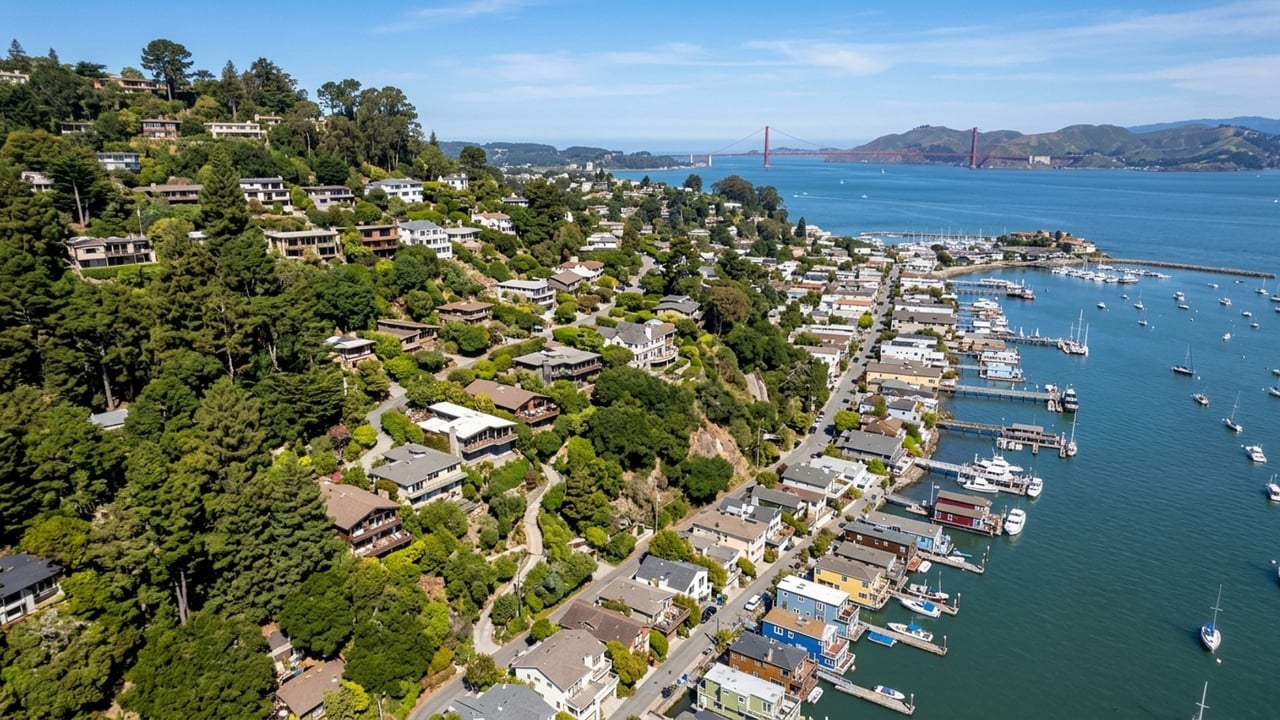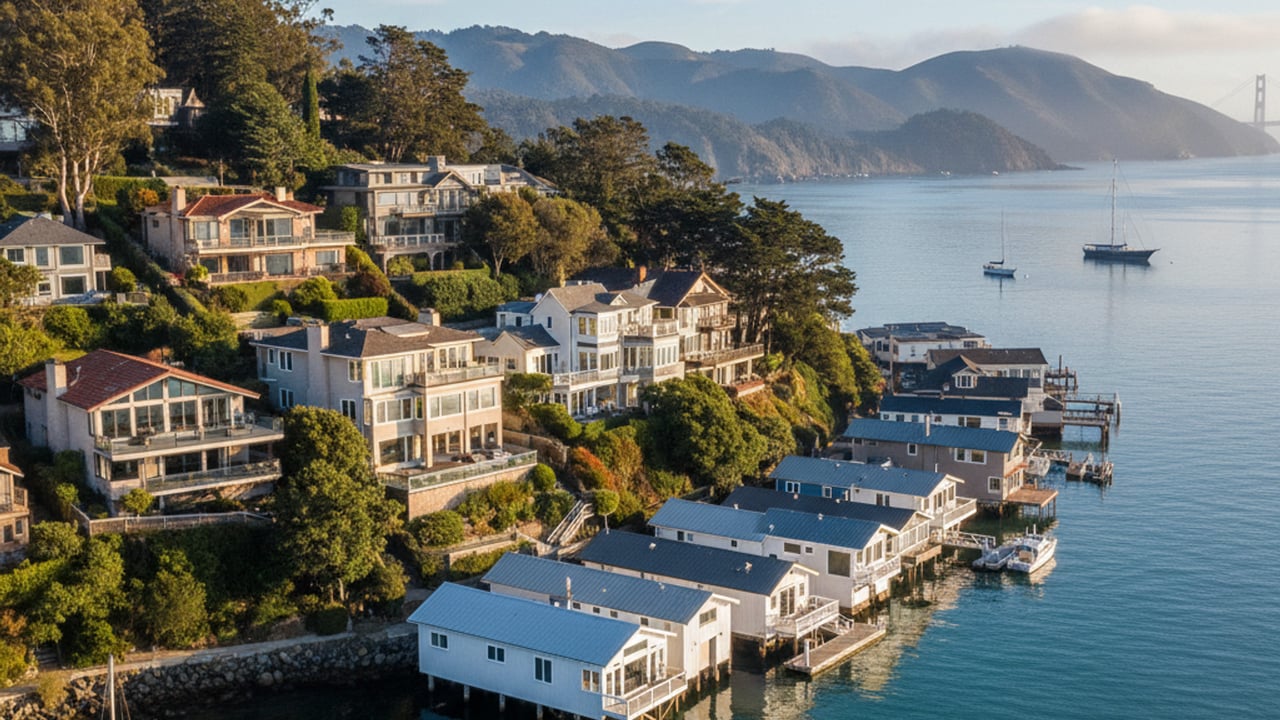
Relocating to Marin County means understanding how local geography dictates your daily commute. Bounded by the steep Marin Headlands and the San Francisco Bay, Sausalito features a linear layout that funnels most traffic along Bridgeway. This waterfront constraint makes multimodal transit planning essential for anyone purchasing property here.
Whether you are heading south across the Golden Gate Bridge or navigating local roads to neighboring towns, residents have multiple transit options. The balance between Highway 101 access and robust maritime infrastructure defines the local transportation landscape. Mastering these routes will significantly impact your daily routine and long-term satisfaction with your location.
Navigating Sausalito's Coastal Geography
The physical layout of Sausalito heavily influences how residents move through the area on a daily basis. Bridgeway serves as the primary commercial and transit artery, running parallel to the waterfront and connecting the northern and southern edges of town. Because the hillsides rise sharply from the bay, cross-town routes are limited, making Bridgeway the unavoidable main channel for both vehicles and bicycles.
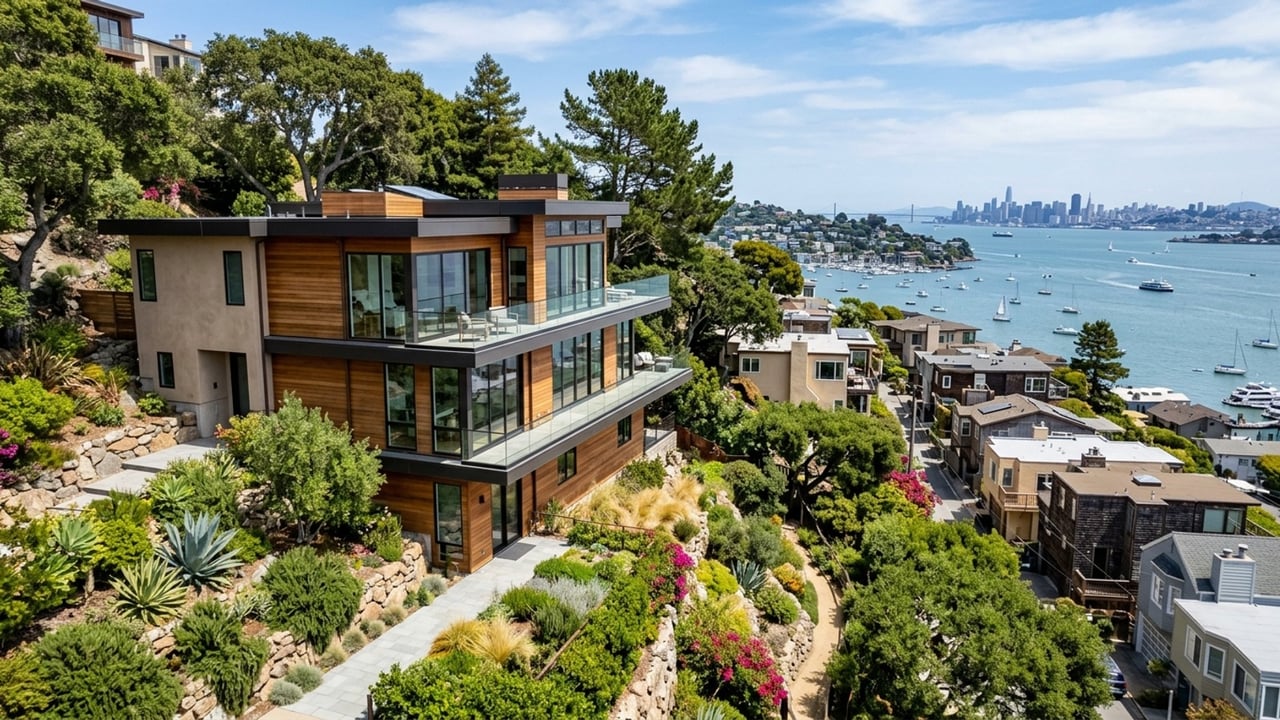
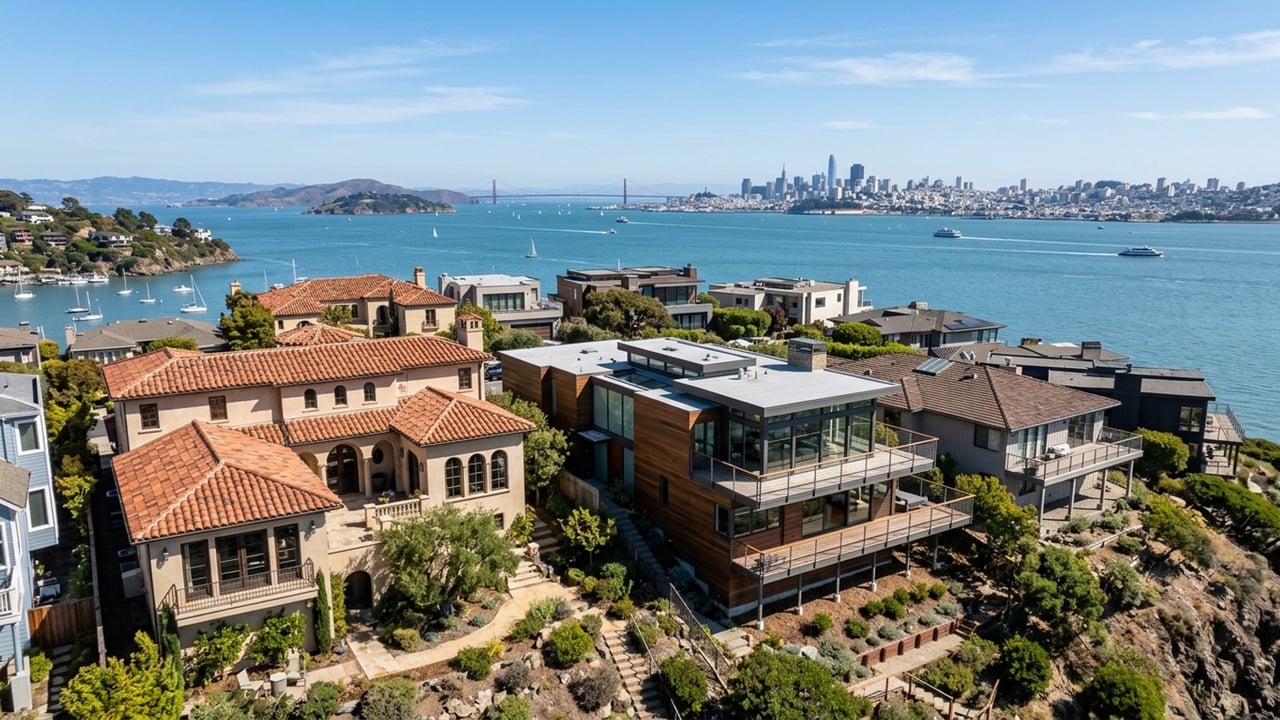
This geographic reality means buyers should carefully weigh their preferred commute style when choosing a neighborhood. Residents living higher up in the hills often rely on personal vehicles to reach the commercial center, while those near the waterfront enjoy flatter, more walkable access to transit hubs. Planning a commute that balances Highway 101 driving with local bus or water transit is the most effective way to navigate the region.
San Francisco Bay Ferry Services
For many residents, the water provides the most direct and scenic commute into downtown San Francisco. The Golden Gate Ferry operates regular service from the terminal at Gabrielson Park, right in the heart of downtown Sausalito. This route drops passengers directly at the San Francisco Ferry Building on the Embarcadero, placing commuters steps away from the Financial District and major transit connections.
The crossing takes an average of 30 minutes, providing a highly predictable alternative to bridge traffic. The current adult fare is $14 per trip, but regular commuters using a Clipper card pay a reduced rate of $7.50. For buyers evaluating commute costs, adopting the Clipper system is a mandatory step for long-term savings.
Important 2026 Ferry Service Updates
Recent changes to the maritime transit landscape have shifted how locals plan their bay crossings. Historically, the Blue & Gold Fleet provided supplementary service between Sausalito and Pier 41 in San Francisco. However, this service is scheduled for a temporary suspension starting May 3, 2026.
Homebuyers and daily commuters should now build their transit baseline exclusively around the Golden Gate Ferry schedule. Relying on a single operator simplifies route planning but requires closer attention to seasonal timetable adjustments.
Road Infrastructure and Highway 101 Access
Driving remains a primary transit mode for residents heading outside the immediate downtown corridor. Highway 101 serves as the crucial north-south spine, with multiple access points located at the northern and southern borders of Sausalito. During standard morning routing, a drive from the local on-ramps to downtown San Francisco via the Golden Gate Bridge takes approximately 20 to 30 minutes.
This drive time can fluctuate significantly depending on toll plaza volume and bridge maintenance schedules. Locally, Bridgeway experiences heavy congestion during peak commute hours and summer weekends when visitor traffic peaks. Buyers evaluating properties should test the drive from their prospective neighborhood to the Highway 101 on-ramps during these high-traffic windows.
Connecting to Neighboring Marin County Cities
Beyond the San Francisco commute, navigating to adjacent Marin County hubs is a frequent necessity for local errands and amenities. Drives to nearby Mill Valley, Tiburon, and Corte Madera typically range from 10 to 15 minutes under normal conditions.
While Highway 101 is the fastest option for reaching Corte Madera, local arterial roads often provide a smoother trip to Mill Valley or Tiburon. Utilizing these secondary surface streets helps residents bypass highway bottlenecks during the afternoon rush.
Bus Routes and Public Transit Infrastructure
The local bus network provides essential connectivity for residents who prefer to leave their vehicles at home. Marin Transit handles localized routes within the county, while Golden Gate Transit manages the longer regional corridors. Recent overhauls to these networks have streamlined the commuting experience for those traveling south into San Francisco.
On April 12, 2026, Golden Gate Transit implemented significant schedule and route consolidations to improve efficiency. The introduction of the new Route 120 entirely replaced the former Routes 130 and 150. This updated line connects Strawberry Village and Marin City directly through the Sausalito Ferry Terminal before continuing into San Francisco.
For buyers, this consolidation means fewer route variations to memorize and more consistent departure times. Properties located within a short walk of a Route 120 stop carry an added layer of convenience for daily transit users.
Cycling Routes and Walkability
Sausalito features robust infrastructure for non-motorized transit, particularly along the lower elevation corridors. The downtown commercial district along Bridgeway is highly walkable, featuring wide sidewalks and clearly marked pedestrian crossings. This pedestrian-focused design makes completing daily errands on foot a viable option for those living near the waterfront.
Cyclists benefit from dedicated bike lanes and ample bicycle parking distributed throughout the downtown core. The local pathways integrate seamlessly with the San Francisco Bay Trail, offering a continuous and protected route. This trail allows riders to commute directly from the Golden Gate Bridge down into the heart of Sausalito.
For active buyers, proximity to these cycling arteries can eliminate the need for a secondary vehicle. The grade of the hills is the only major limiting factor, as homes situated higher up require significant exertion to reach by bicycle.
Sausalito Parking Regulations and Fees
Managing a personal vehicle in the downtown corridor requires an understanding of the municipal parking system. The city operates Municipal Parking Lots 1 through 4, strategically located near the downtown core and the Ferry Landing. These lots absorb the majority of both commuter and visitor vehicles, making them central to daily logistics.
In May 2026, the city rolled out new digital parking pay stations to modernize the payment process. This system fully integrates with the ParkMobile app, allowing users to manage their parking time remotely. High-season rates, which run from May through September, are currently set at $5 per hour with a $50 daily maximum.
Residential Parking Permit Zones
Street parking in residential neighborhoods is strictly regulated to prevent overflow from the commercial districts. Non-permitted vehicles are generally restricted to a 2-hour limit on residential streets. This enforcement ensures that homeowners maintain reliable access to parking near their properties.
To accommodate locals, the Resident Parking Benefit Program provides verified residents with 3 hours of free parking in the downtown municipal lots. As part of the 2026 technology upgrades, physical parking cards have been replaced by a modern 6-digit PIN system. Residents now enter this PIN at the new digital pay stations to instantly verify their status and claim their free hours.
Frequently Asked Questions
Can I commute from Sausalito to San Francisco without a car?
Yes, commuting without a personal vehicle is entirely feasible and highly common. Residents typically utilize the Golden Gate Ferry or the newly consolidated Golden Gate Transit Route 120 bus line. Both options provide direct, reliable service into downtown San Francisco.
How much does an Uber or rideshare cost from San Francisco to Sausalito?
A standard rideshare trip from downtown San Francisco to Sausalito generally costs between $35 and $50. Prices fluctuate based on time of day, bridge toll routing, and dynamic surge pricing during peak commute hours. It serves as a convenient backup option when transit schedules do not align.
What are the rules for street parking in Sausalito neighborhoods?
Most residential streets enforce a strict 2-hour parking limit for vehicles lacking a local permit. Homeowners must register their vehicles with the city to park on the street long-term. This program protects neighborhood parking availability from commercial and visitor overflow.