Buyers looking at the San Francisco Bay Area often weigh the dense urban environment of the city against the coastal communities of the North Bay. Just across the Golden Gate Bridge, living in Sausalito offers a different pace of life while maintaining close ties to San Francisco's economic hubs.
In 2026, the decision between these two locations usually comes down to housing density, commute preferences, and property types. San Francisco puts you within walking distance of major tech and finance employers. Sausalito puts you on the water, in Marin County, with a bridge between you and all of that.
Life in Sausalito Compared to San Francisco
San Francisco operates as a major metropolitan center - high-density neighborhoods, steep hills, distinct microclimates, and a transit network that serves a genuinely massive footprint. Residents have immediate access to major corporate headquarters and a wide range of urban districts. The housing is packed tightly into all of it.
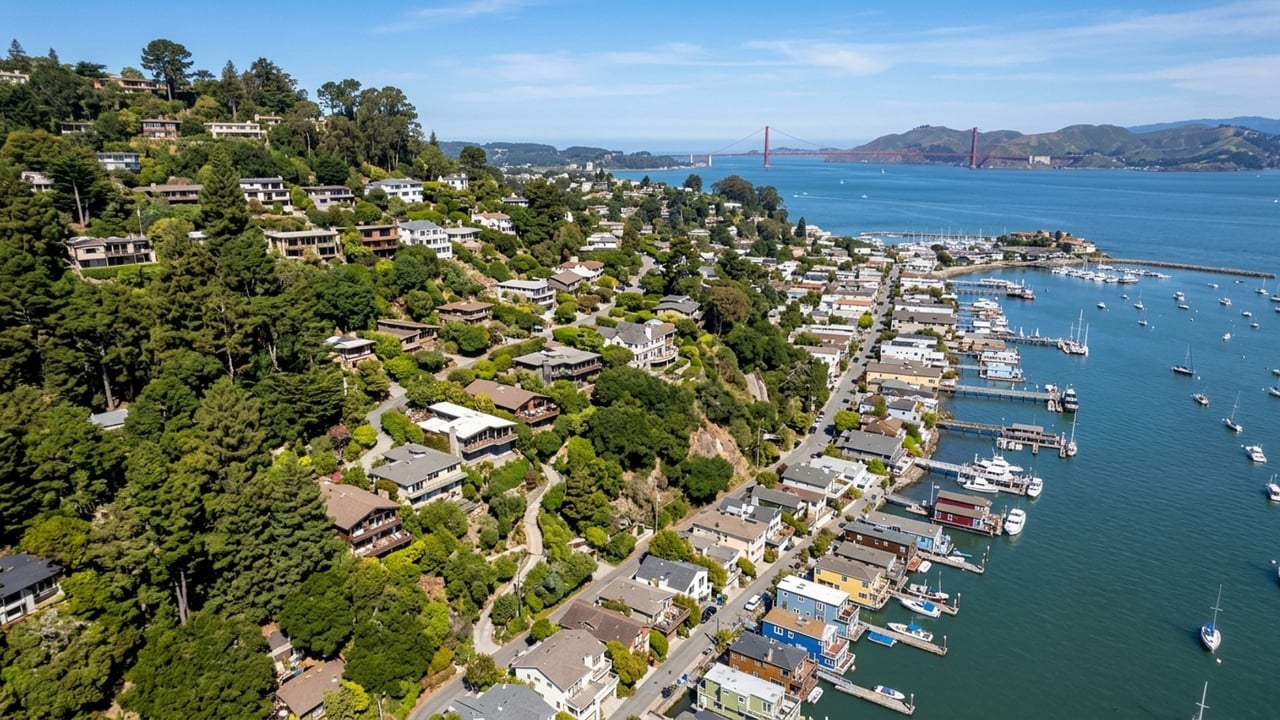
Sausalito sits on the Marin County side of the Golden Gate Bridge. The town follows the shoreline and climbs the hillsides, and most daily activity orients toward the water. The local economy runs on tourism, waterfront dining, and small businesses, though plenty of residents cross the bridge each morning for work.
Comparing the Real Estate Markets
The Sausalito market moves fast. Homes spent a median of just 14 days on the market in spring 2026, when there were only around 32 active listings to choose from. The town currently holds about four months of housing supply - tight enough that buyers feel it.
San Francisco is a different animal. The city's sheer size means inventory levels swing dramatically from one neighborhood to the next, and the pricing picture shifts depending on what data source you're looking at and what property type you're tracking. Buyers looking at higher-end county-wide sales will see average figures push closer to $2.2 million.
Home Prices and Market Pace
Sausalito's median sale price sits at approximately $1,851,000. Buyers are routinely paying about 7% over asking, and roughly 62.5% of homes sell above list price. Zillow's home value index places the typical Sausalito home around $1.48 million.
For San Francisco, Zillow's home value index puts the average at roughly $1,393,773. Recent median sale prices in the city hover between $1.4 million and $1.5 million. By that measure, Sausalito generally commands a higher median price point - though the gap narrows when you factor in San Francisco's higher-end county-wide averages.
Property Types and Availability
San Francisco's inventory is dominated by condominiums, multi-family buildings, and attached townhomes. Single-family homes exist, but they often share walls or sit on very small lots. Most buyers in the city are prioritizing proximity to a specific transit line or commercial corridor.
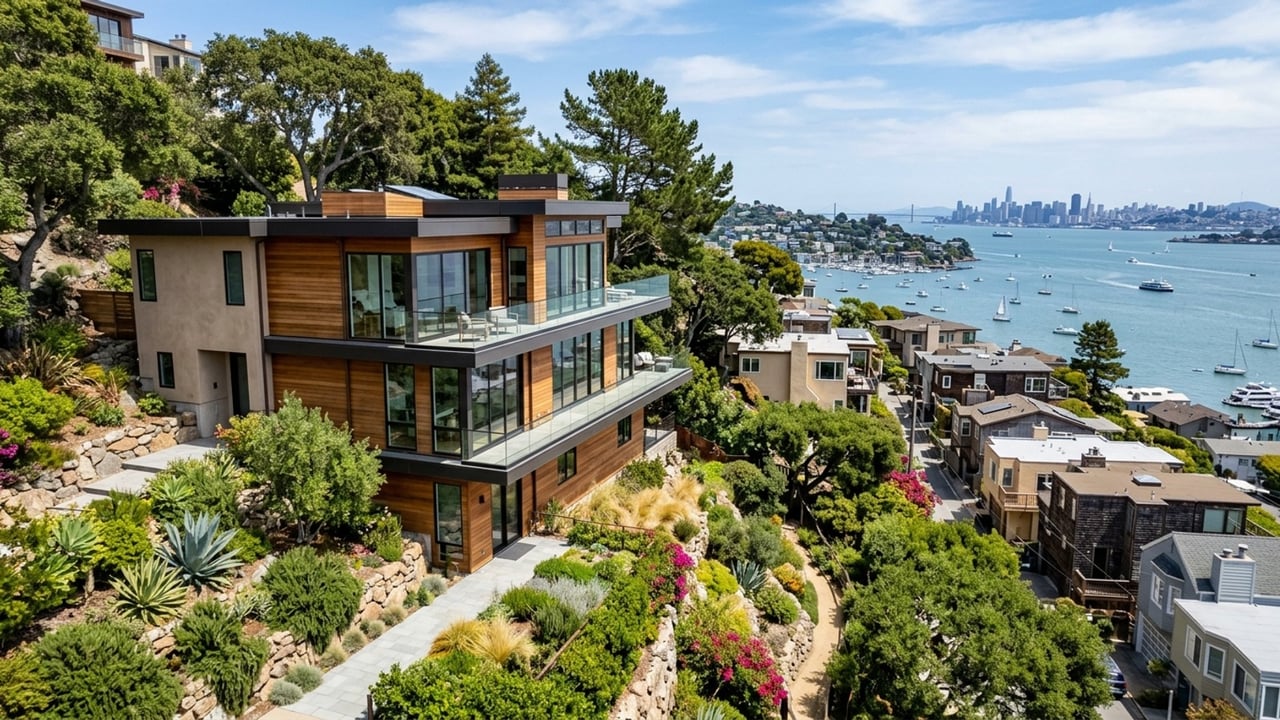
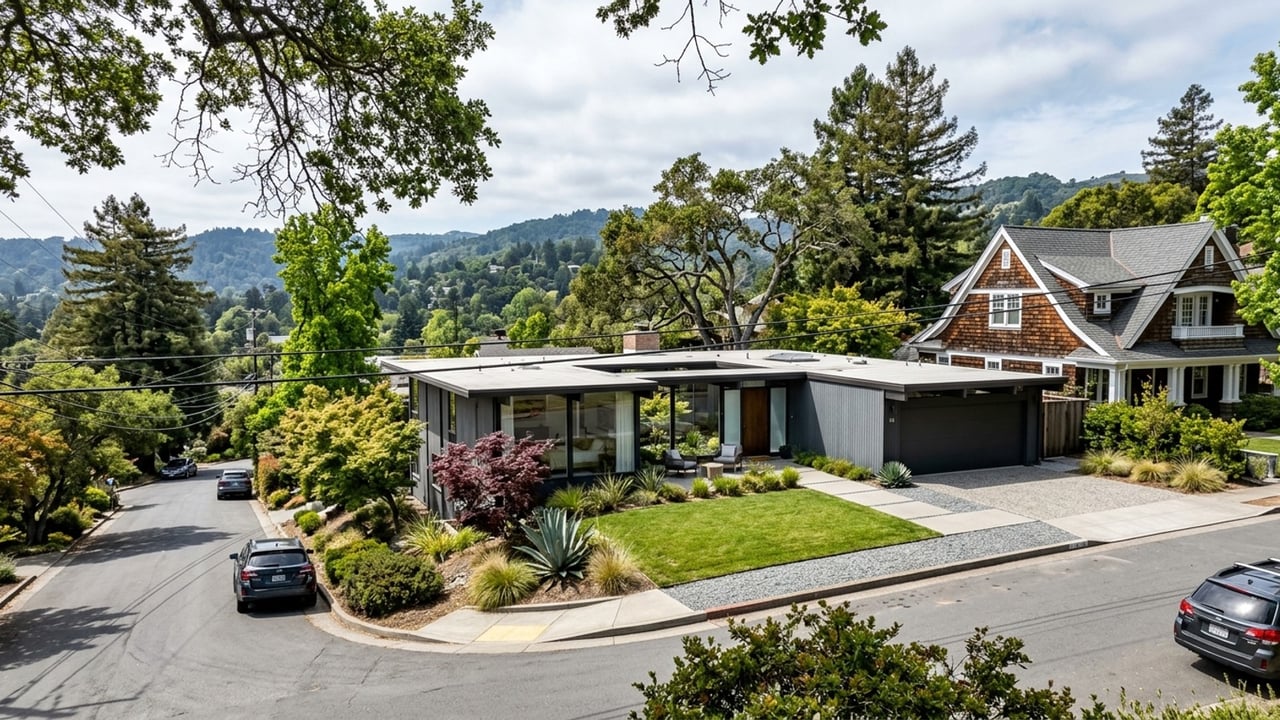
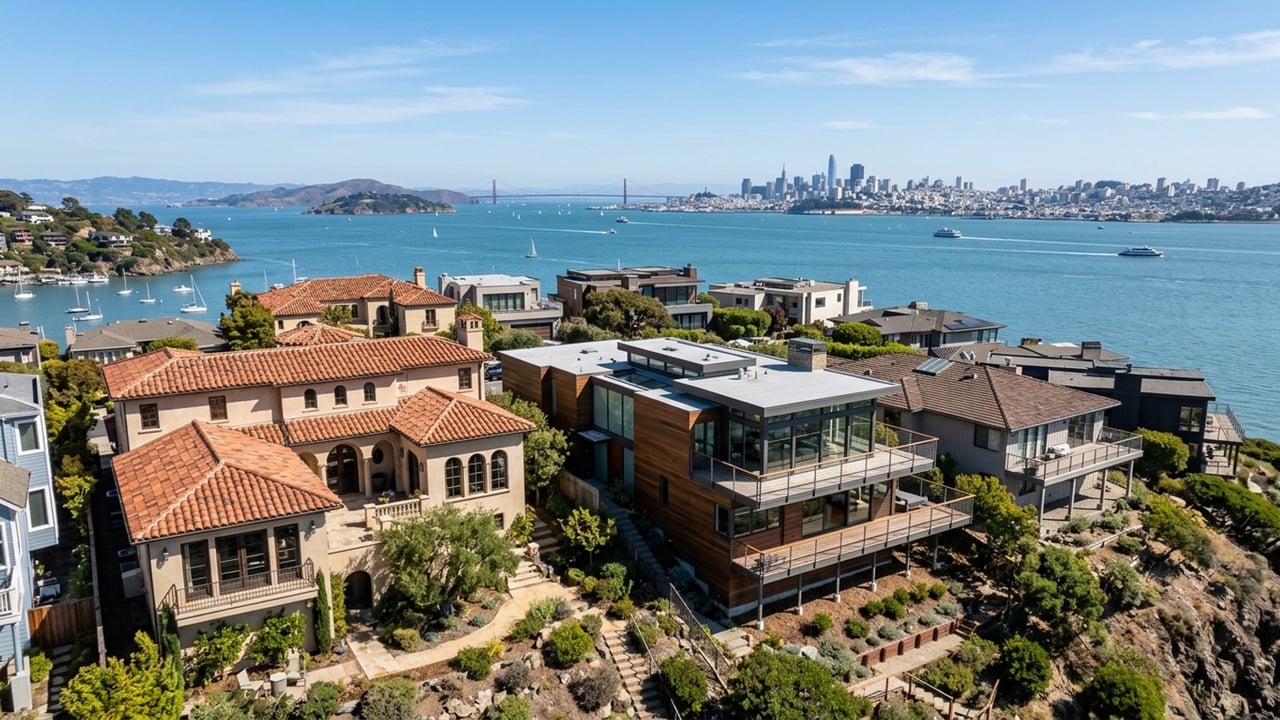
Sausalito's mix looks different - hillside single-family homes and the well-known houseboat community along the waterfront. Condominiums exist near the water, but buyers here are usually chasing detached properties that take advantage of the North Bay topography. With limited inventory, competition for well-located hillside homes is real.
Property Taxes in Marin County vs San Francisco
California's Proposition 13 applies to both locations, capping the base property tax rate at 1% of the assessed value statewide. The differences show up when local voter-approved bonds and special assessments get added to the bill - and those vary by location.
In Marin County, the Auditor-Controller notes that the effective property tax rate for new Sausalito buyers usually lands between 1.0% and 1.25%. The exact figure depends on the specific tax rate area where the home sits. Ask your agent to pull the local assessments for any property you're seriously considering before you're under contract.
Everyday Costs and Commuting
Here's something that surprises a lot of buyers: the cost of living between Sausalito and San Francisco is nearly identical. Salary.com data for 2026 shows Sausalito's living costs are roughly equal to San Francisco's, and BestPlaces calculates Sausalito is just 0.7% more expensive. Both sides of the bridge require a high budget for daily expenses.
Both also sit well above national benchmarks. Sausalito's living costs run about 89% higher than the national average and 112% higher than the California state average. You're not crossing the bridge to save money on groceries.
Groceries and Daily Expenses
Daily errands in Sausalito center around the Bridgeway corridor and a handful of local markets. The commercial footprint is smaller than San Francisco's, which means fewer large-scale grocery chains within the immediate town limits. Many residents drive to neighboring Marin County communities for bulk shopping.
San Francisco residents have a dense network of neighborhood grocers, large supermarkets, and specialty food stores to choose from - far more options for comparing prices on everyday goods. The baseline cost for those items, though, stays comparable to what you'd pay in the North Bay.
Ferry and Bus Commutes
The Sausalito ferry to the San Francisco Ferry Building takes about 25 to 35 minutes on the water. Once you factor in the walk or bike ride to the dock and the final leg to the office, door-to-door commute times typically fall between 45 and 75 minutes.
For bus transit, Golden Gate Transit runs regional routes along Highway 101 directly into San Francisco, and local Marin Transit routes connect Sausalito to hubs like San Rafael. Various sources estimate Sausalito's average overall commute time at around 30 to 33 minutes - slightly longer than the national average. The ferry is the more enjoyable option; the bus is the more flexible one.
Local Amenities and Recreation
Sausalito's commercial and social life clusters along the Bridgeway corridor - waterfront restaurants, cafes, bakeries, and art galleries that serve both residents and a steady stream of visitors. The area's history as a World War II shipbuilding center and a former transit terminus still shapes how that waterfront is laid out today.
San Francisco offers a completely different scale: major museums, professional sports venues, hundreds of dining districts. City residents don't need to cross a bridge to find entertainment. The tradeoff is the density and pace required to move through all of it.
Parks and Outdoor Access
Sausalito gives you immediate access to the Marin Headlands and the broader Golden Gate National Recreation Area - extensive hiking trails, cycling routes, and coastal overlooks without getting in a car. The town's geography genuinely favors buyers who want to spend free time on the water or in the hills.
San Francisco maintains excellent urban parks, including Golden Gate Park and the Presidio. Getting to remote nature trails, though, means driving out of the city. That's a real difference for buyers who want open space to be part of daily life, not a weekend project.
Dining and Waterfront Attractions
The dining scene in Sausalito focuses on seafood and waterfront views. Restaurants along the bay run at a different pace than San Francisco's dining rooms - smaller, quieter, more local. Small businesses dominate the retail space, and that gives the town its character.
San Francisco's culinary landscape is vast, with numerous Michelin-starred restaurants spread across diverse neighborhood eateries. If endless options within walking distance matters to you, the city wins that comparison without a contest. Sausalito suits buyers who'd rather have one good spot near the water than fifty choices two blocks away.
Deciding on Your Next Move
The financial commitment is similar either way - high median home prices and nearly identical costs of living on both sides of the bridge. What separates them is housing type and daily logistics. Buyers targeting single-family hillside homes and a coastal atmosphere look to Sausalito. Buyers who need immediate urban infrastructure and a deep condominium market tend to stay in San Francisco.
Tour both. The commute and lifestyle differences are real, and they don't fully register until you've done the ferry ride on a Tuesday morning and sat in traffic on the bridge on a Friday afternoon. A local agent can help you sort out which market actually fits your budget and your routine.
Frequently Asked Questions
How do median home prices in Sausalito compare to San Francisco?
Sausalito's median sale price is currently around $1,851,000, while San Francisco's median sale prices generally range between $1.4 million and $1.5 million depending on the month. County-wide data for San Francisco, which includes higher-end sales, pushes the average closer to $2.2 million.
What is the daily commute like if I live in Sausalito and work in downtown SF?
The ferry takes 25 to 35 minutes on the water and typically totals 45 to 75 minutes door-to-door. Alternatively, Golden Gate Transit buses run along Highway 101 directly into the city.
How do property taxes and local fees in Sausalito differ from San Francisco?
Both cities fall under California's Proposition 13, which caps the base property tax rate at 1% of the assessed value. In Marin County, new buyers typically see an effective rate between 1.0% and 1.25% once local voter-approved bonds and special assessments are added.
What types of homes are available in Sausalito compared to typical San Francisco real estate?
Sausalito is known for its hillside single-family homes and distinctive houseboat communities along the waterfront. San Francisco primarily offers a dense mix of condominiums, multi-family buildings, and attached townhomes.