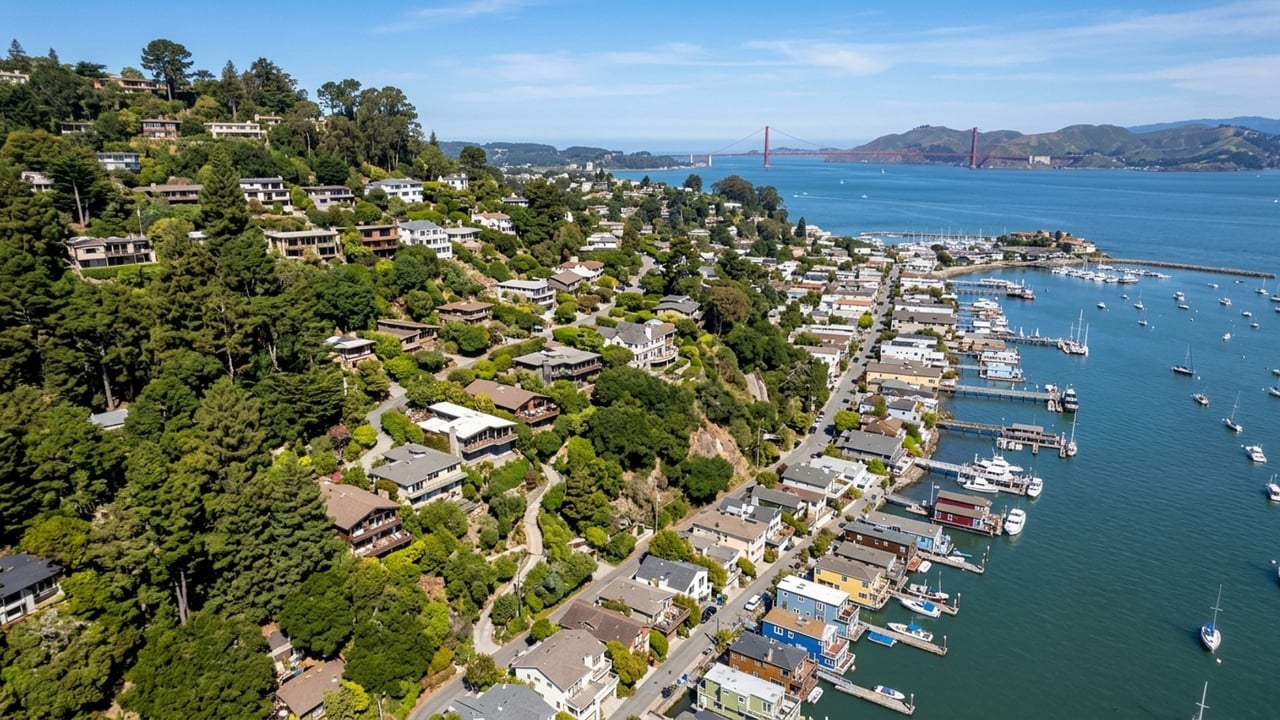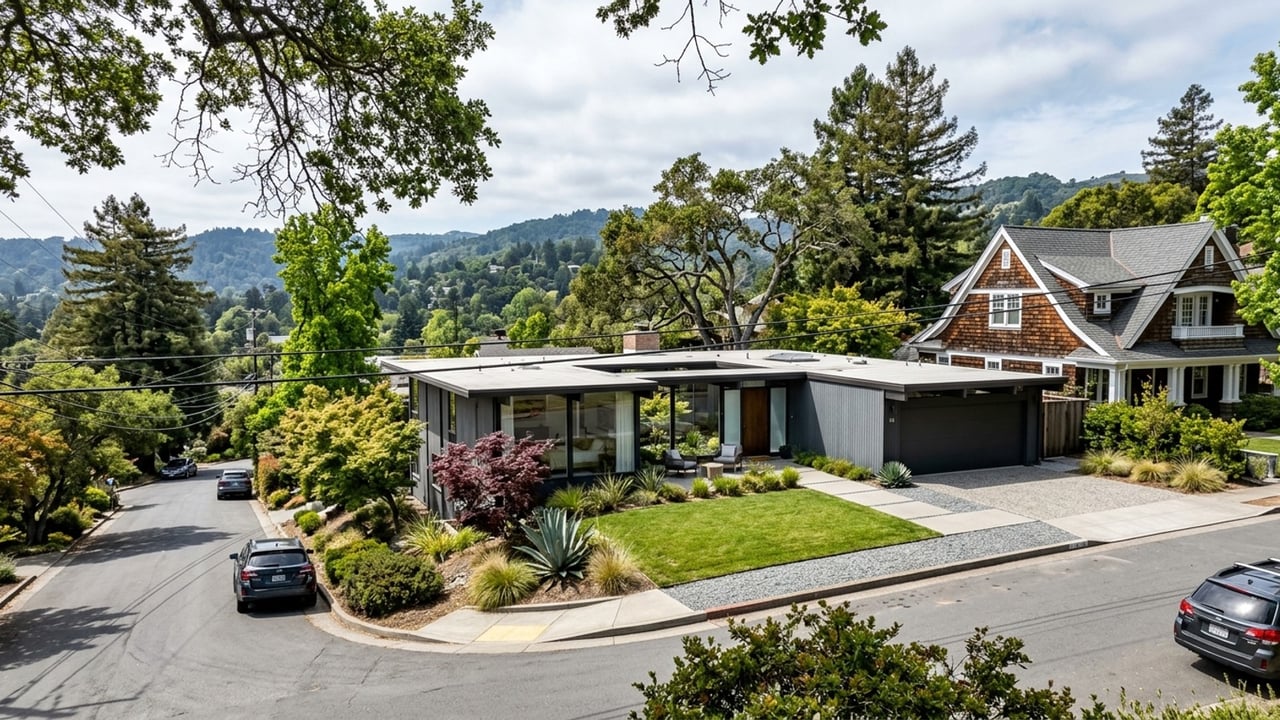
Mill Valley sits just north of the Golden Gate Bridge, offering a picturesque retreat tucked into the redwood-covered foothills of Mount Tamalpais. This Marin County enclave provides a distinct blend of natural beauty and immediate proximity to the San Francisco Bay Area. Relocating to the 94941 ZIP Code requires a clear understanding of the financial landscape. The exceptional scenery and premium location command a significant premium, making the cost of living in Mill Valley CA higher than the national average.
Understanding the Cost of Living in Mill Valley, CA
Mill Valley is widely recognized as one of the most expensive and desirable places to live in Northern California. The overall cost of living here consistently runs roughly 80 to 90 percent higher than the national average.
This premium is driven largely by high property values, but daily living expenses also play a significant role. From utility rates to local taxes, buyers need to budget for costs that far exceed what they might find in other parts of the United States.
While the financial barrier to entry is high, the investment provides access to top-tier educational opportunities, extensive outdoor recreation, and a robust local economy. Understanding these expenses upfront allows prospective buyers to navigate the local real estate market with confidence.
Housing Costs in Mill Valley
Housing prices are the absolute primary driver of the high cost of living in this Marin County community. The local real estate market remains highly competitive, characterized by limited inventory and sustained high demand from buyers moving out of San Francisco.
Prospective homeowners will encounter a variety of property types, ranging from secluded hillside estates near Mount Tamalpais to luxury condominiums positioned closer to Richardson Bay. Because housing costs run over 80 percent higher than the state average, securing a property requires aggressive financial preparation.
Median Home Prices and the Real Estate Market
As of 2026, the median home price in Mill Valley sits between an approximate $1,800,000 and $2,400,000. These figures fluctuate based on the exact neighborhood, lot size, and proximity to Mill Valley's downtown center.
Properties located within the boundaries of the Mill Valley School District often command an additional premium. Buyers should be prepared to encounter multiple offers and fast-moving inventory when searching for a home in this tier of the market.
Average Rental Rates for Houses and Apartments
The rental market in Mill Valley is equally competitive, largely due to a limited supply of multi-family rental units and affordable housing. Average rent currently ranges from $2,800 to $3,900 per month, depending heavily on the property size and specific location.
Renting can serve as a strategic stepping stone for those looking to understand the area before committing to a multi-million-dollar purchase. However, the steep monthly rental rates mean tenants must still allocate a substantial portion of their income to housing costs.
Marin County Property Taxes and Local Utility Costs
The total cost of homeownership in Mill Valley extends well beyond the initial purchase price and monthly mortgage payment. Buyers must factor in local property taxes and utility bills, both of which are notably high in this region of California.
Marin County assesses property taxes based on the purchase price of the home, meaning new buyers often pay significantly more than longtime neighbors. Combined with steep energy costs from local utility providers, these monthly carrying costs require careful budget planning.
Understanding Property Taxes in Mill Valley
The median effective property tax rate for Marin County hovers around 1.39 percent of the assessed property value. Because of the high median home price, a standard annual property tax bill in Mill Valley frequently exceeds $11,500.
Homeowners must also account for local parcel taxes that are added to the annual bill. These specific assessments directly fund local infrastructure, the Mill Valley Middle School, and other municipal services throughout the city.
Average Monthly Utility Bills
Utility expenses in Northern California are notoriously high, and Mill Valley is no exception to this rule. Electricity rates currently sit at roughly $0.36 per kilowatt-hour, leading to average electric bills of over $316 per month for a standard single-family home.
Residents must budget for seasonal increases in energy consumption, particularly during the cooler, damp winter months when heating systems run constantly. Water and municipal trash collection services add another layer to these ongoing monthly expenses.
Everyday Living Expenses: Groceries and Healthcare
Beyond housing and utilities, the daily living expenses in Mill Valley reflect the affluent nature of the community. Food costs run approximately 30 percent above the national average, meaning a single person might spend roughly $520 per month on groceries alone.
Dining out at the independent restaurants in Mill Valley's downtown area also carries a premium price tag. Whether grabbing a quick lunch or enjoying a high-end dinner, residents can expect restaurant prices to align with the broader San Francisco Bay Area market.
Healthcare costs represent another important consideration for anyone planning a relocation. Medical services, routine care, and health insurance premiums in Marin County consistently price out higher than the national average, reflecting the high operational costs for local medical providers.
Transportation Costs and Commuting to San Francisco
Transportation expenses are a major factor for those who commute from Mill Valley to employment centers across the Golden Gate Bridge. While the physical distance to San Francisco is short, the financial cost of making the trip daily adds up quickly.
As of 2026, the Golden Gate Bridge toll costs an approximate $8.75 for drivers using a FasTrak account and $9.75 for Pay-by-Plate users. Commuters must also factor in the high cost of gasoline in California and premium parking rates once they reach the city.
Residents frequently utilize Golden Gate Transit buses or make the short drive to nearby ferry terminals in Tiburon and Sausalito for a scenic commute across the bay. Public transit provides a viable alternative to driving, though it still requires a dedicated monthly budget.
Factoring Lifestyle and Amenities into Your Budget
The high cost of living in Mill Valley is directly offset by immediate access to world-class amenities and natural landmarks. Residents pay a premium for the location, but they gain an exceptional environment for outdoor recreation right outside their front doors.
Budgeting for leisure and lifestyle in this area often means shifting funds away from traditional entertainment toward outdoor gear and park access. The local landscape provides endless opportunities for exploration and daily activity.
-
Muir Woods National Monument: Living just minutes from these iconic redwood groves offers unparalleled hiking opportunities.
-
Mount Tamalpais: The expansive state park areas provide miles of trails for mountain biking and scenic observation.
-
Mill Valley-Sausalito Multiuse Pathway: This highly walkable paved trail connects local communities and offers flat, scenic routes along the water.
-
Downtown Culture: The city center features a dense concentration of art galleries, boutique shopping, and independent cafes.
Pros and Cons of Relocating to Mill Valley
Moving to Mill Valley requires a careful evaluation of how the financial realities align with your personal lifestyle goals. The area offers an incredibly high standard of living, but it demands significant financial resources to maintain.
New residents must weigh the undeniable geographical advantages against the steep financial barriers to entry. To help clarify the decision, here is a breakdown of the primary benefits and drawbacks of purchasing a home in this market.
-
Pro: Immediate access to top-tier outdoor recreation and beautiful scenery.
-
Pro: Close proximity to San Francisco employment hubs and cultural events.
-
Con: Extremely high housing prices with a median property value near $2,000,000.
-
Con: Higher-than-average transportation and utility costs compared to the rest of the state.
Cost of Living Frequently Asked Questions
Is it expensive to live in Mill Valley, CA?
Yes, Mill Valley is one of the most expensive cities in the United States. The overall cost of living is roughly 80 to 90 percent higher than the national average, driven primarily by multi-million-dollar housing prices. Residents also pay a premium for local groceries, utilities, and transportation.
What salary is needed to live comfortably in Mill Valley?
To navigate the current 2026 housing market and cover daily expenses without financial strain, a household income exceeding $250,000 is generally recommended. This figure accounts for the steep property taxes, high mortgage rates on a $2,000,000 median home, and elevated everyday living costs. Buyers purchasing in cash may find comfort at a slightly lower income threshold.
How does the cost of living in Mill Valley compare to the national average?
Nearly every expense category in Mill Valley sits significantly higher than the national average. Housing costs alone are over 80 percent higher than the California state average, while local food costs run approximately 30 percent above the national baseline. Even utility rates, specifically electricity, far exceed what most Americans pay monthly.