Prospective buyers evaluating homes in Marin County often prioritize understanding the daily realities of the area before making an offer. During property tours, buyers frequently ask one specific question: is mill valley ca safe?
Exploring the local real estate market involves analyzing everything from emergency infrastructure to daily commute times. Buyers need accurate, up-to-date information to make informed financial decisions.
This guide breaks down current crime rates, emergency response capabilities, and commute logistics for those relocating in 2026. Understanding these factors provides a clearer picture of what it means to own property in this part of the San Francisco Bay Area.
Mill Valley Crime Statistics vs. National Averages
Evaluating property risk means comparing local figures against broader state and national baselines. The Federal Bureau of Investigation and local agencies regularly compile these statistics to track public safety trends. Reviewing this data helps buyers understand the objective realities of the community.
The localized violent crime rate in Mill Valley sits at approximately one incident per 1,000 residents. This presents a statistical probability of violent crime at roughly 1 in 993, which is notably lower than the national average. Buyers analyzing crime statistics often prioritize this specific metric when comparing Marin County to other regions.
Property crime is a different metric that requires equal attention from prospective homeowners. Local data shows property crimes occur at a rate of roughly 10 per 1,000 residents, translating to a 1 in 99 chance. These incidents primarily consist of larceny and motor vehicle theft, which are common categories across the broader San Francisco region.
When looking at statistical risk models, Mill Valley consistently ranks lower for crime compared to many other communities in California. Homebuyers often find these numbers reassuring when investing in the local real estate market. Securing a property with standard security systems remains a practical step for any new homeowner in the area.
Local Emergency Services and Healthcare Infrastructure
Public safety infrastructure is a major consideration for anyone purchasing a home in Marin County. The Mill Valley Police Department provides dedicated coverage within the city limits, ensuring localized municipal law enforcement. This localized presence contributes to the efficient handling of both routine calls and emergency situations.
The department maintains active patrol divisions that monitor residential neighborhoods and commercial districts. Having a dedicated municipal police force means response times are typically shorter than in unincorporated county areas. This level of service is funded by local property taxes and municipal budgets.
Fire and medical response networks are equally robust across the region. The Mill Valley Fire Department operates with a staff of approximately 28 personnel to handle immediate municipal needs. They are supported by the Southern Marin Fire District, which employs roughly 57 staff members to cover a broader jurisdiction.
These combined forces ensure that properties surrounded by heavy vegetation receive adequate coverage during fire season. Buyers moving from dense urban areas often appreciate the structured overlap between municipal and district emergency responders. This multi-layered approach to public safety directly supports local property values.
MarinHealth Medical Center Emergency Capabilities
Proximity to critical healthcare is another vital component of local infrastructure. MarinHealth Medical Center serves as the closest major healthcare facility for trauma and critical care. It is officially designated as a Level III-N Trauma Center, which distinguishes it from basic urgent care clinics.
The facility ensures the 24/7 availability of board-certified emergency physicians for immediate medical needs. Recent expansions in the Oak Pavilion have added private patient rooms and advanced decontamination capabilities. These upgrades provide residents with comprehensive medical support just a short drive from the center of town.
Having a trauma center nearby reduces transport times during critical medical emergencies. Local ambulance services coordinate directly with MarinHealth to streamline patient intake. Real estate professionals frequently highlight this medical infrastructure when discussing local amenities with buyers.
Commuting from Mill Valley to San Francisco
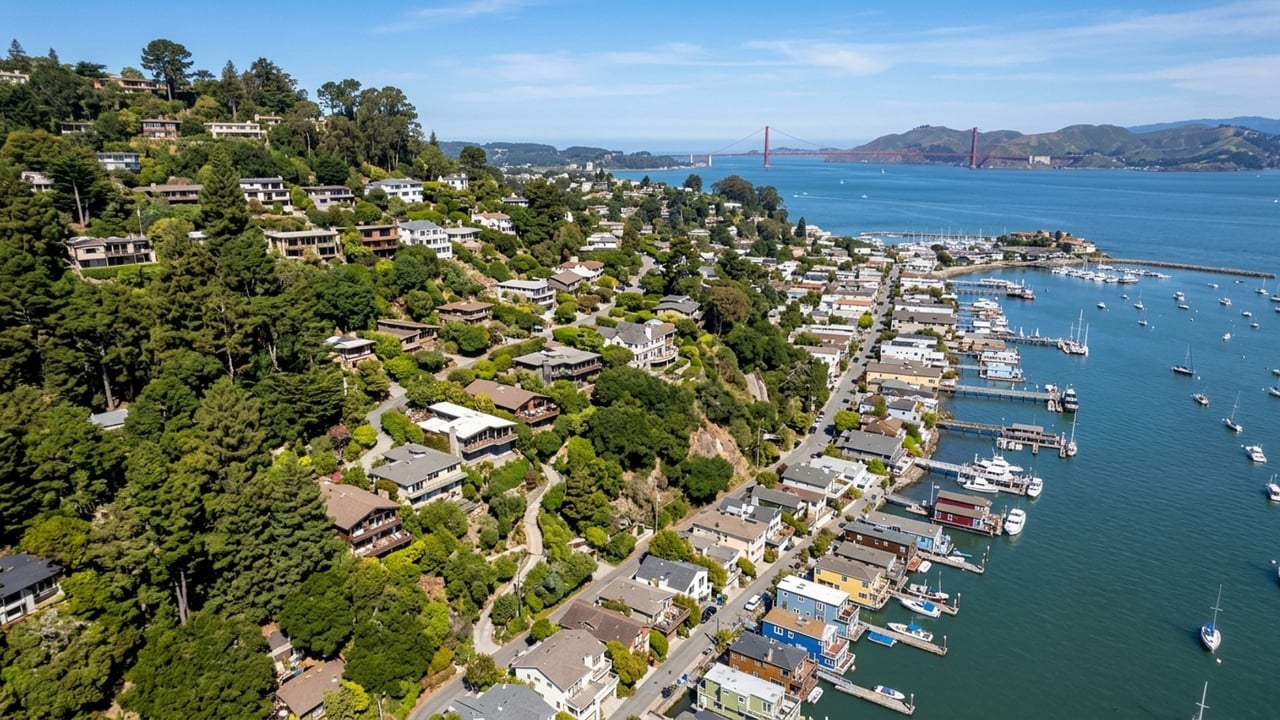
Daily travel logistics play a massive role in where buyers choose to purchase a home. The standard driving route into the city relies on Highway 101 South over the Golden Gate Bridge. Without traffic delays, reaching the Financial District typically takes about 30 minutes from most local neighborhoods.
However, peak rush hour traffic significantly impacts these expected travel times. During heavy morning congestion, that same drive can easily stretch to 65 minutes or more. Commuters must factor these variable driving times into their daily schedules when considering a move.
Bridge tolls are another recurring cost for those driving into the city. The current Golden Gate Bridge toll for FasTrak users is $9.75 per crossing. Factoring in both time and toll expenses helps buyers paint a realistic picture of their monthly commute budget.
Parking availability in San Francisco also influences how residents choose to commute. Many professionals weigh the cost of monthly parking garages against the convenience of driving. Evaluating these logistical hurdles is a necessary step in the homebuying process.
Public Transit Alternatives: Ferry and Bus Routes
For those looking to avoid driving, public transit offers structured non-car commute methods. The Golden Gate Transit Route 114 bus provides direct service to the San Francisco Financial District. This express route takes approximately 56 minutes, offering a predictable alternative to variable highway traffic.
Bus stops are distributed throughout the main commercial corridors, making them accessible from many residential streets. Riders utilize the Clipper card system to manage fares across different transit agencies. This integrated payment method simplifies the daily journey for regular commuters.
Residents also have access to local transit connections that route directly to the Larkspur Ferry terminal. Taking the ferry provides a scenic commute across the bay, bypassing bridge traffic entirely. Comparing these transit times against driving often helps buyers decide which local neighborhood best fits their routine.
Local Amenities and Real Estate Market Data
Beyond logistics, the appeal of this area is heavily tied to its natural surroundings and housing inventory. The spring 2026 real estate market shows median home sale prices ranging tightly between $1,800,000 and $2,400,000. Properties at this price point reflect the high demand for Marin County real estate.
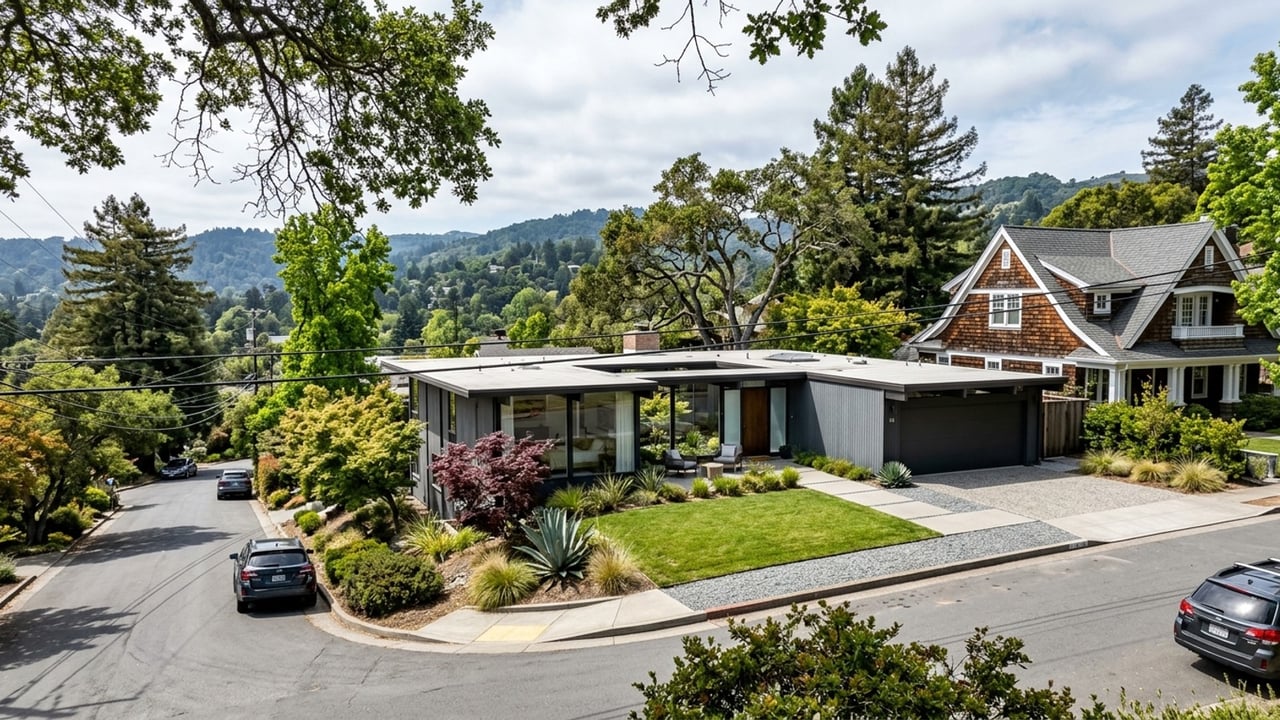
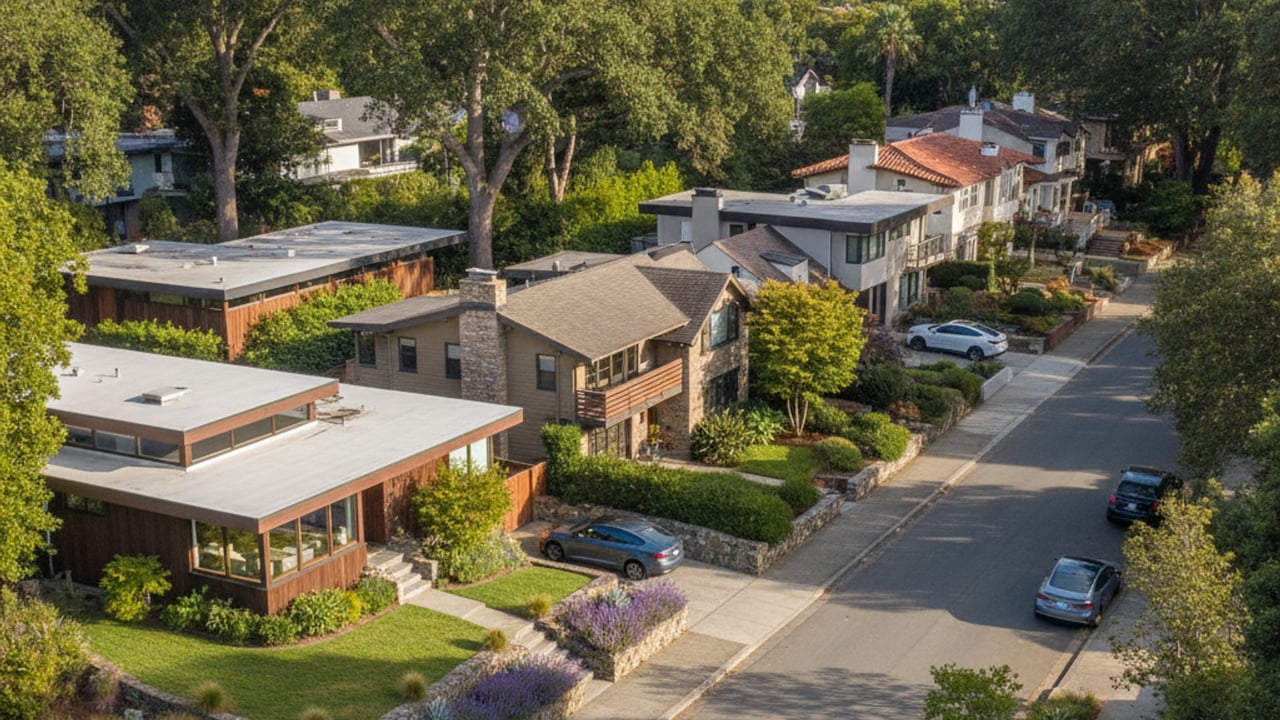
Buyers will encounter a mix of architectural styles, from mid-century modern designs to traditional craftsman homes. Inventory levels regularly fluctuate, requiring buyers to act decisively when a property matches their criteria. Working with a local agent helps navigate the nuances of the multiple listing service.
The geographical features of the region are a major draw for outdoor enthusiasts. Homes here offer objective proximity to major outdoor landmarks like Muir Woods National Monument and Mount Tamalpais State Park. Having world-class hiking trails just minutes from the front door is a defining characteristic of the local lifestyle.
Educational infrastructure is another key metric for many buyers entering the market. The Mill Valley School District manages primary education across several local campuses. Access to these established public schools remains a strong driver of property demand throughout the city.
Property taxes and local transfer taxes also factor into the overall cost of ownership. Buyers must review these assessments during the escrow process to accurately project their monthly housing expenses. Understanding the full financial picture ensures a smoother transaction from offer to closing.
Frequently Asked Questions
What are the property and violent crime rates in Mill Valley, CA?
The localized violent crime rate sits at approximately one incident per 1,000 residents. Property crimes occur at a rate of roughly 10 per 1,000 residents, primarily consisting of larceny. These statistics represent a 1 in 99 chance of experiencing property crime in the area.
How long is the daily commute from Mill Valley to San Francisco?
Standard driving times to the Financial District range from 30 to 65 minutes depending on traffic. Peak rush hour congestion on Highway 101 significantly extends travel times. Alternatively, the Route 114 express bus takes approximately 56 minutes to reach downtown.
What public schools serve the Mill Valley area?
The Mill Valley School District handles primary education for local students. This district operates multiple elementary and middle school campuses across the city limits. High school students typically filter into the broader Tamalpais Union High School District.