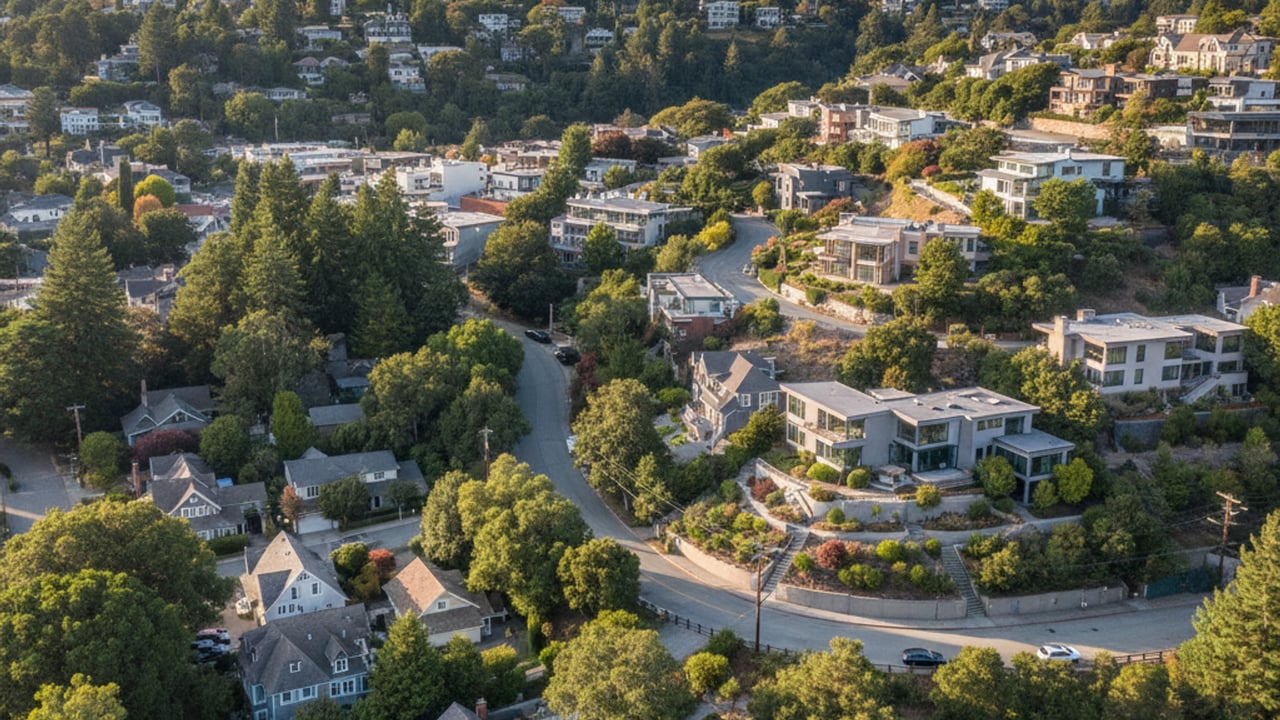
Relocating to Marin County requires a clear understanding of the local housing market and commute logistics. Nestled at the base of Mount Tamalpais, Mill Valley offers a distinct blend of dense redwood forests and accessible downtown commercial hubs. Buyers considering moving to Mill Valley CA will find a highly competitive real estate landscape shaped by strict zoning and geographic boundaries.
Navigating this market means balancing premium home prices with the realities of daily travel into San Francisco. The 2026 housing inventory remains remarkably tight, making it crucial to understand property types and transit options before writing an offer. This guide breaks down the objective data you need to make an informed decision about purchasing property here.
Beyond the immediate housing data, prospective buyers must evaluate the practical logistics of daily life here. The area demands a strategic approach to everything from navigating highway traffic to understanding local tax structures. This comprehensive overview delivers the objective details required to successfully execute a relocation this year.
The Mill Valley Real Estate Market in 2026
The current 2026 housing landscape in Mill Valley is defined by a pronounced scarcity of new construction. Geographic constraints from the surrounding hillsides and strict municipal zoning laws severely limit new development. This structural lack of inventory consistently creates a strong seller's market where demand outpaces available homes.
General cost of living metrics here sit significantly higher than broader San Francisco Bay Area averages. While the high entry point can be daunting, this restricted inventory inherently protects long-term property values for buyers who secure a home. Purchasing property in this environment requires aggressive offer strategies and a clear understanding of micro-neighborhood pricing.
Buyers entering this arena must be prepared for swift, decisive action when a properly priced home hits the market. The lack of inventory means multiple-offer scenarios remain a common occurrence for turnkey properties. Working with a local agent who understands these hyper-competitive dynamics is absolutely essential for a successful acquisition.
Median Home Prices and Property Types
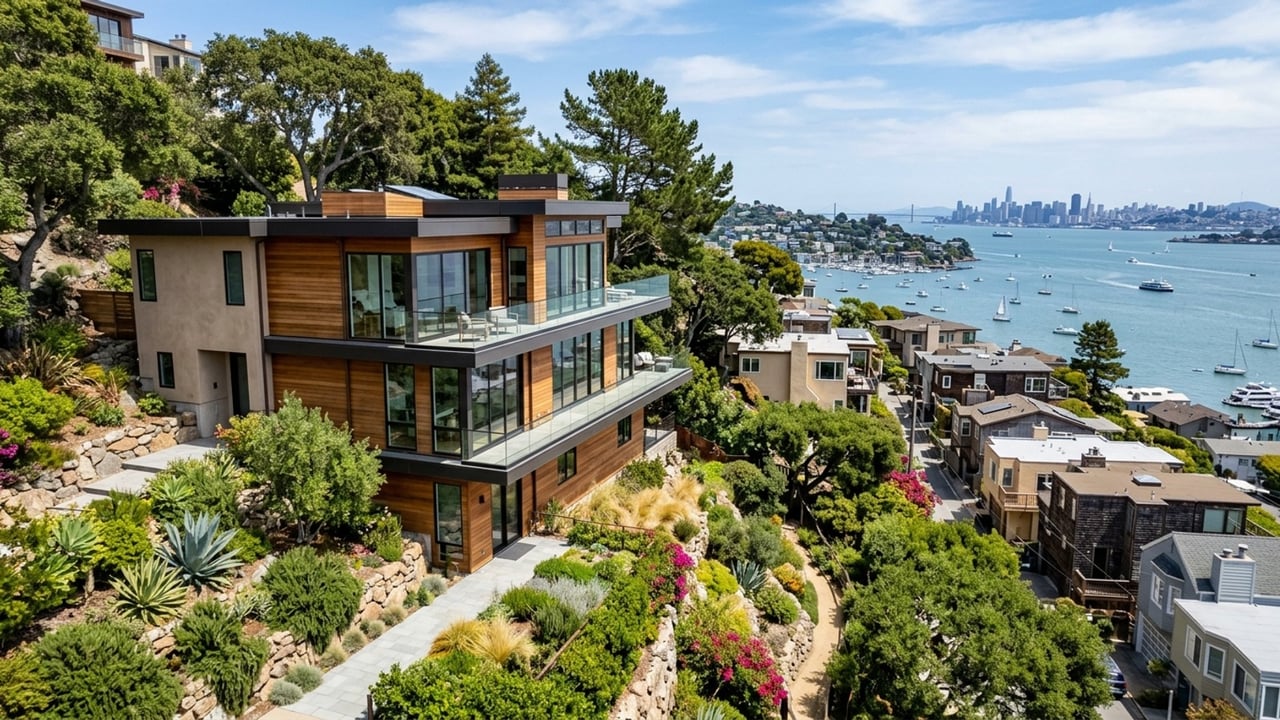
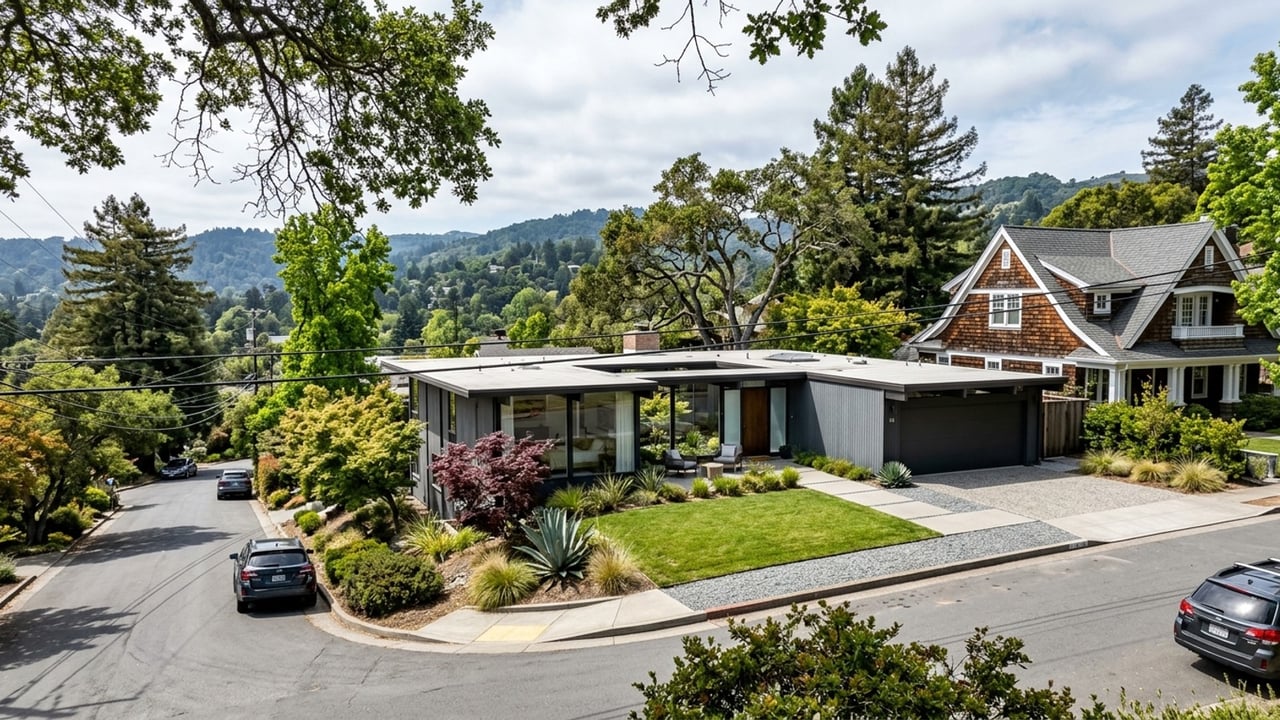
As of spring 2026, the median sale price for a single-family home in Mill Valley is approximately $2,400,000. Architectural styles and pricing vary sharply depending on your elevation and proximity to the town center. Buyers place a massive premium on historic cottages near Lytton Square due to their flat lots and walkability.
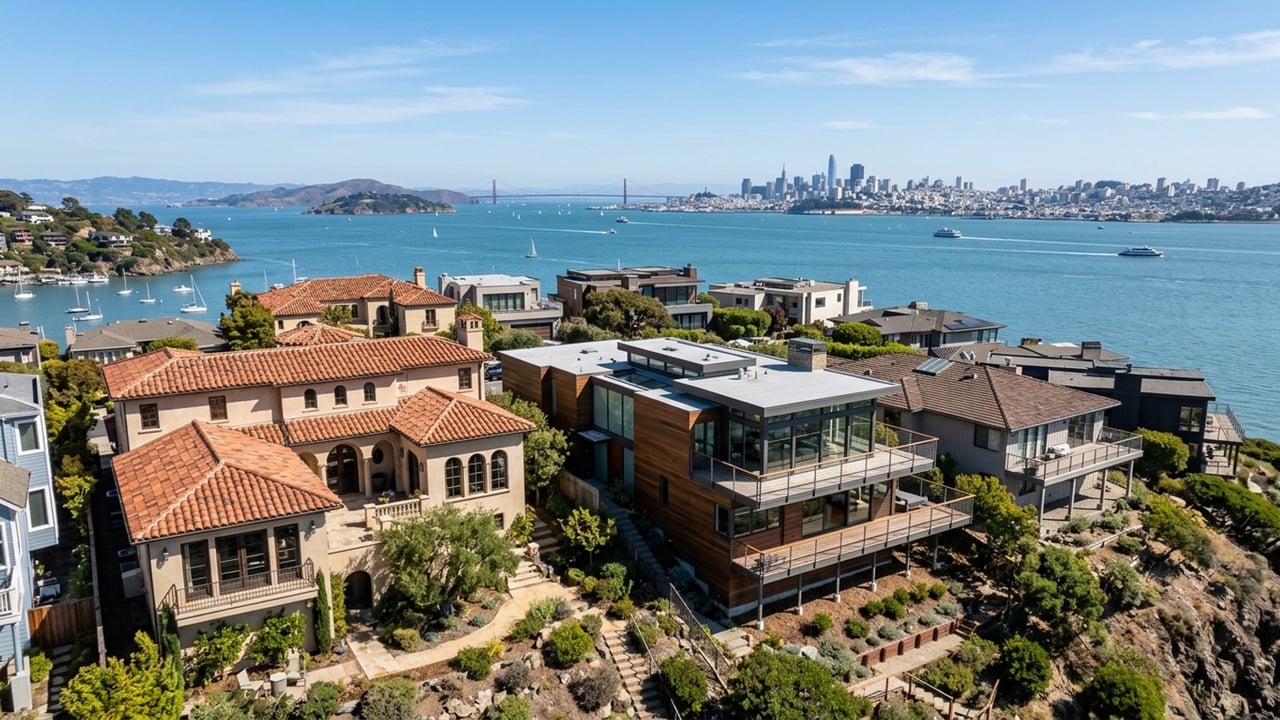
Conversely, hillside homes offer sweeping views of the bay but often require navigating steep, narrow drives. Condominiums make up a much smaller percentage of the local market and are generally clustered closer to Highway 101. These attached units provide a relatively accessible entry point, typically ranging from roughly $1,000,000 to $1,500,000.
Buyers should also note that lot utility plays a massive role in final valuations across the city. A smaller home on a flat, usable lot will often outprice a larger property situated on a severe slope. Understanding these topographical pricing quirks is vital when comparing active listings.
Property Taxes and Transfer Fees
Closing on a home in Marin County involves specific transaction taxes that buyers must factor into their cash reserves. The county levies a standard documentary transfer tax calculated at approximately $1.10 per $1,000 of the final purchase price. This fee is standard across the region and is typically negotiated between the buyer and seller during escrow.
Fortunately, the city of Mill Valley does not charge an additional municipal transfer tax on top of the county baseline. This absence of a city-level tax slightly reduces the overall closing costs compared to neighboring municipalities that impose dual fees. Buyers should still consult with their escrow officer to finalize exact cash-to-close figures before signing.
Beyond transfer taxes, buyers must account for standard annual property taxes governed by California state law. These annual assessments are strictly tied to your final purchase price rather than historical valuations. Budgeting for these fixed carrying costs is a critical step in determining your true purchasing power.
Navigating the Commute to San Francisco
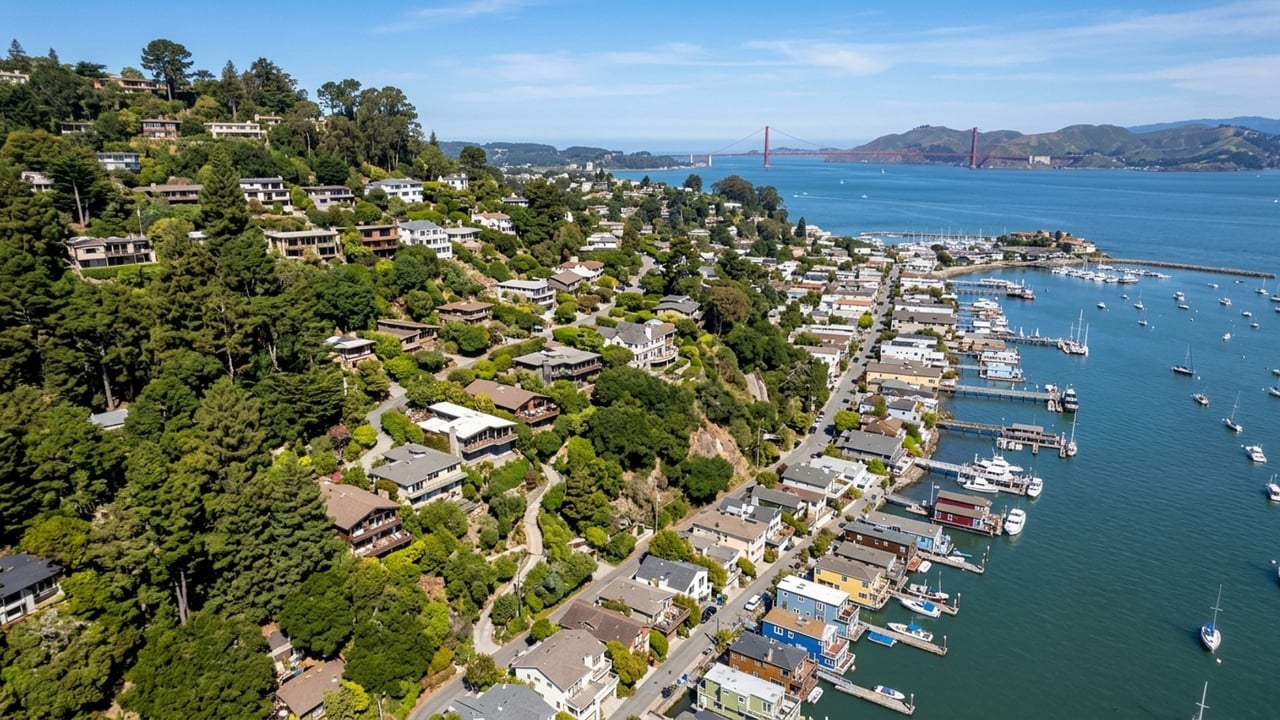
The logistical reality of commuting the approximate 14 miles into San Francisco is a major factor for most buyers. The primary commuting corridors linking Marin County to the city rely heavily on a mix of highway driving, express buses, and passenger ferries. Your exact micro-location within Mill Valley will dictate which transit method makes the most sense for your daily routine.
Homes located near the eastern highway corridor offer faster access to the bridge, while properties deep in the western canyons require navigating winding residential roads first. In my experience, relying on the ferry network provides a far more predictable and lower-stress commute than driving during peak morning hours. Understanding these transit dynamics is essential before committing to a specific neighborhood.
The physical geography of the San Francisco Bay Area creates natural choke points that complicate regional travel. Commuters must cross major bodies of water, making bridge and ferry logistics an unavoidable part of the daily routine. Carefully mapping your transit strategy before purchasing a home will save you countless hours of frustration.
Driving US-101 and the Golden Gate Bridge
Driving south on US-101 is the most direct route into the city, but travel times fluctuate wildly based on the time of day. An off-peak drive to the city center typically takes a manageable 20 to 35 minutes, while the peak morning commute stretches to roughly 45 to 65 minutes. Delays are virtually guaranteed during the traditional rush hour windows.
Crossing the Golden Gate Bridge requires navigating an entirely electronic tolling system for southbound traffic. Depending on your FasTrak account setup, the toll currently ranges from approximately $7.35 to $9.00 per crossing. For those who prefer to avoid driving the bridge entirely, Golden Gate Transit operates express buses that serve as an efficient park-and-ride alternative.
Weather conditions also play a significant role in dictating highway speeds along this coastal corridor. Dense morning fog frequently reduces visibility near the bridge, slowing traffic well below posted limits. Factoring in these environmental delays is necessary for maintaining a reliable arrival time in the city.
Marin County Ferry Services
Utilizing the local ferry terminals is a highly popular alternative to highway driving. Golden Gate Ferry operates regular services out of the nearby Larkspur and Sausalito terminals, providing a scenic and reliable transit option. The actual water crossing to the San Francisco Ferry Building takes roughly 30 to 35 minutes.
When calculating your total door-to-door commute via the ferry, you should budget approximately 45 to 75 minutes. Parking at these terminals fills up quickly during the morning rush, so arriving early or utilizing a bicycle is highly recommended. The consistency of the ferry schedule makes it a superior choice for commuters who need to avoid unpredictable highway delays.
Many regular commuters view the ferry crossing as a dedicated space for remote work or relaxation. The vessels are equipped with basic amenities and seating configurations that make the transit time genuinely productive. This stark contrast to the stress of stop-and-go highway driving makes the ferry a highly coveted transit solution.
Education: Public School Districts
The public education system serving the Mill Valley area is bifurcated into two distinct districts based on grade level. This structural division means students transition between entirely different administrative bodies as they move from middle school to high school. Navigating these school zoning boundaries is a critical step for buyers, as specific attendance zones heavily influence property demand.
Both districts rely on local parcel taxes to supplement their baseline state funding. These voter-approved taxes represent a direct financial investment by the community, which objectively translates into robust campus facilities and comprehensive academic programs. Buyers should verify the exact parcel tax assessments on their prospective property during the due diligence period.
State funding formulas often fall short of community expectations, prompting local municipalities to bridge the financial gap. The heavy reliance on localized parcel taxes ensures that campus resources remain stable regardless of broader state budget fluctuations. This localized funding model directly supports the long-term viability of the educational infrastructure.
Mill Valley School District
The Mill Valley School District is the primary provider for transitional kindergarten through eighth-grade education. The district operates multiple elementary school campuses that are geographically distributed across the city. All of these localized elementary schools eventually feed into a single centralized middle school.
Managing the daily traffic flow around these campuses is a persistent logistical challenge for the city. To mitigate congestion during drop-off and pick-up times, the district utilizes staggered bell schedules across its various locations. Buyers looking at properties immediately adjacent to these campuses should account for increased street traffic during these peak hours.
The transition from multiple localized elementary campuses into one centralized middle school fosters a strong sense of community integration. Students from different geographic pockets of the city finally merge into a single student body during these critical developmental years. This structured progression helps streamline the administrative resources required to support the upper grade levels.
Tamalpais Union High School District
Secondary education in the area falls under the jurisdiction of the Tamalpais Union High School District. This larger district serves multiple municipalities across southern Marin County, with Tamalpais High School acting as the primary campus for local residents. Proximity to this campus is a major driver of real estate activity in the surrounding neighborhoods.
Located near the eastern edge of the city, the campus currently supports an enrollment of approximately 1,470 students. The district maintains an approximate student-to-teacher ratio of 19:1, allowing for a structured academic environment. The centralized location provides easy access for students commuting from various parts of the city.
The campus itself features extensive athletic facilities and specialized academic buildings that rival many small colleges. Given its regional draw, managing student parking and traffic along the eastern highway corridor is an ongoing priority. Properties located within walking distance of the high school frequently command a distinct premium on the open market.
Local Recreation and Natural Amenities
The geographic layout of the city inherently promotes an outdoor-focused lifestyle while maintaining robust commercial infrastructure. Residents have immediate access to both a vibrant downtown center and vast expanses of protected wilderness. This dual appeal is a primary reason why the local real estate market remains so competitive year after year.
The sheer proximity to world-class hiking trails and old-growth forests easily justifies the high cost of living for outdoor enthusiasts. You can start a morning hike from your front door and be sitting at a downtown cafe by noon. Understanding how these amenities connect to different residential pockets will help you narrow down your property search.
The integration of natural landscapes into the urban environment requires a specific approach to property maintenance. Homeowners here must actively manage vegetation clearances to comply with strict municipal fire codes. While this adds a layer of responsibility, the immediate access to pristine wilderness makes the effort entirely worthwhile.
Mount Tamalpais and Muir Woods
The city shares its borders with massive tracts of protected land, most notably Mount Tamalpais State Park. This sprawling reserve offers miles of trails dedicated to hiking and mountain biking, along with sweeping views of the bay. Many residential streets in the upper canyons connect directly to these trailheads, essentially extending the park into the neighborhoods.
Just beyond the city limits sits the Muir Woods National Monument, famous for its towering old-growth redwood forests. Access to this international destination is a major perk of living in the area, though navigating the tourist traffic on Highway 1 requires patience. Properties bordering these wilderness areas command premium prices due to the unparalleled privacy they offer.
The local climate allows for year-round utilization of these extensive trail networks. Winter rains transform the hillsides into vibrant green landscapes, while summer brings dry, accessible paths. This continuous access to outdoor recreation fundamentally shapes the daily routines of local residents.
Downtown Mill Valley and Depot Plaza
The commercial heart of the city revolves around the downtown Depot Plaza. This central hub provides a dense collection of coffee shops, retail storefronts, and highly rated restaurants. The plaza serves as the primary community gathering space and anchors the walkable downtown district.
Just steps from the commercial center is Old Mill Park, which integrates towering redwoods directly into the urban environment. The downtown area also hosts major cultural fixtures, including the annual Mill Valley Film Festival and the renowned Sweetwater Music Hall. Living within walking distance of these amenities remains the ultimate goal for many local homebuyers.
Parking in the downtown commercial core can be challenging during peak weekend hours. The city has implemented structured parking zones to encourage turnover and maintain access to local businesses. Residents quickly learn to navigate these logistical quirks to fully enjoy the vibrant downtown atmosphere.
Frequently Asked Questions
What is the median home price in Mill Valley?
As of spring 2026, the median sale price for a single-family home in the area is approximately $2,400,000. Condominiums offer a lower entry point, typically ranging from $1,000,000 to $1,500,000. Prices fluctuate significantly based on proximity to the downtown plaza and lot topography.
How long is the commute from Mill Valley to San Francisco?
An off-peak drive into the city takes roughly 20 to 35 minutes via US-101. During the peak morning rush, that same drive can easily stretch to 65 minutes or more. Commuters utilizing the local ferry services should expect a total door-to-door transit time of 45 to 75 minutes.
Does Mill Valley have a city transfer tax?
No, the city does not levy an additional municipal transfer tax on real estate transactions. Buyers are only responsible for the standard Marin County documentary transfer tax at closing. This county fee is calculated at approximately $1.10 per $1,000 of the purchase price.