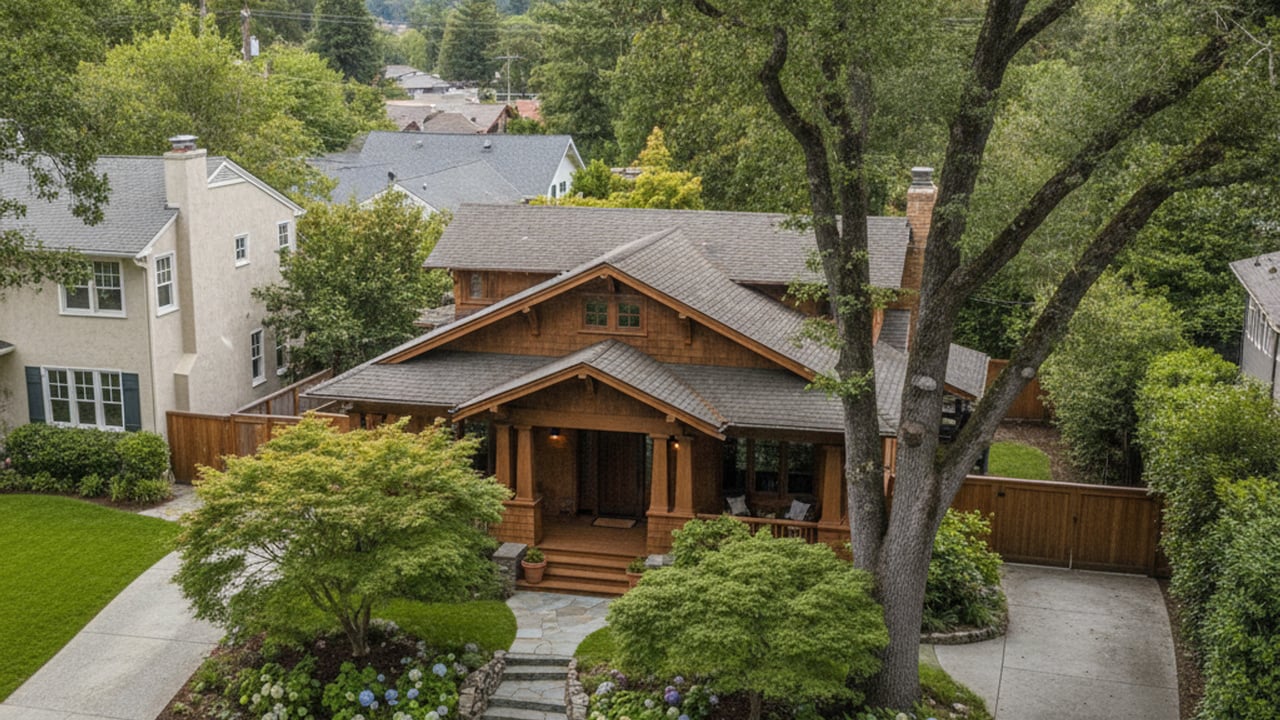
Mill Valley, CA sits just north of San Francisco across the Golden Gate Bridge, making living in Mill Valley a genuine shift in pace from the city, not just a marketing line. Homes here spend roughly nine days on the market as of mid-2026, which tells you everything you need to know about demand.
The median sale price hovers around $3.2 million. That's the number you need to sit with before any other conversation starts. For someone building a career in the San Francisco Bay Area, Mill Valley does offer real proximity to major employment hubs alongside a quiet, outdoorsy environment - but you'll want to go in clear-eyed about what that combination costs.
Evaluating the Local Economy and Lifestyle
The cost of living here runs about 83% higher than the national average, and the median household income sits at approximately $230,566 - which reflects who's already living here, not necessarily who's moving in. Mill Valley ranks 11th out of 449 California cities for overall cost of living, so both renters and buyers need to do their math before signing anything.
Most residents commute into San Francisco, but the local economy does support a solid base of small businesses and schools.
Major Employers in Town
Don't expect corporate campuses. The local job market leans on local businesses, educational institutions, and specialized firms. Glassdoor was founded here and keeps its headquarters in town.
Other employers operating within Mill Valley include Mollie Stone's Markets, Wildlife Works, and Van Acker Construction. The education sector adds jobs through Mount Tamalpais School, Marin Horizon School, and Bright Horizons Family Solutions.
Renting and Housing Costs
Rent figures here depend on which source you're reading - and the spread is wide enough to matter. Zillow Rental Manager puts the median around $5,000 per month; Zumper reports closer to $4,900. On the lower end, Apartments.com shows about $2,873, and the City of Mill Valley's own housing needs report notes a median of $2,200.
That gap isn't a data error. It reflects the actual mix of large single-family home rentals sitting alongside smaller apartment units. What you're budgeting for depends entirely on what type of place you're looking at.
Dining Out and Socializing
The social scene runs on outdoor recreation and upscale dining, not late-night bars. Downtown Mill Valley is the anchor.
Regulars cycle through Mill Valley Beerworks, Corner Bar for craft cocktails, and El Paseo Mexican Restaurant. The Lumber Yard pulls double duty as a place to eat, drink, and shop. The Throckmorton Theatre runs regular comedy nights. It's a genuinely pleasant scene - just a quiet one.
Mill Valley Neighborhoods to Consider
The town breaks into several distinct districts, from the canyon roads of Middle Ridge to the flatter areas near the water. Named neighborhoods include Sycamore Park, Tamalpais Park, Cascade Canyon, and Homestead Valley.
Strawberry - which covers Strawberry Point and Harbor Point - sits on the east side of the freeway and has its own dining hub at Strawberry Village. Where you land usually comes down to budget and how you plan to get to work.
Walkability Around Downtown
The blocks along Throckmorton, Miller, Sunnyside, and Corte Madera avenues are consistently the most walkable in town. The Old Mill District sits right next to the downtown core and holds up well on foot too.
If leaving the car at home for dinner or basic errands matters to you, these central areas are where you'd want to be.
Areas with Lower Entry Prices
Buyers watching their budget often start in Pacifica, where the median home value sits closer to $1,188,000. Tam Valley - also known as Almonte - is another relatively accessible entry point into the market.
Enchanted Knolls, Blithedale Canyon, and Tamalpais-Homestead Valley also offer slightly more approachable pricing compared to the downtown estates, and they still connect quickly to the main thoroughfares heading south.
Commuting to San Francisco
Getting into the city without a car is straightforward. Golden Gate Transit bus 17 runs direct from Mill Valley into San Francisco. If you'd rather take the ferry, a dedicated bike path connects the town to the Sausalito ferry terminal - about a 30-minute ride, then you board for the rest of the trip across the bay.
Renting an Apartment Before You Buy
With the median home sale price exceeding $3.2 million and homes selling for about 113% of their list price, renting is where most people start. That's not a consolation prize - it's just the reality of this market.
Inventory is tight. The rental pool is a mix of traditional apartment complexes, townhomes, and single-family houses, and listings move fast. Expect the same urgency you'd bring to the purchase market.
Comparing Rents Across Districts
Finding clean rent comparisons between specific neighborhoods is harder here than in a city with dense apartment buildings. Data from Flyhomes shows comparable median rents of about $2,853 across areas like Scott Valley Alto, Enchanted Knolls, and Downtown - which suggests pricing is relatively flat across the town. Property size and condition tend to drive the cost more than which neighborhood name is on the listing.
Tips for Securing a Lease
Landlords in Marin County expect strong financial credentials, full stop. Have your proof of income, credit report, and references ready before you tour anything - not after you decide you want it.
The cost of living ranks among the highest in California, so property managers will look closely at your debt-to-income ratio. When a suitable unit hits the market, move quickly.
Connecting with the Local Community
Building a professional and social network from scratch here looks different than it would in San Francisco or Oakland. Mill Valley doesn't have a wide array of formal, town-specific networking organizations, and there are no recognized young professionals councils operating under the local Chamber of Commerce. For career connections, residents rely on the broader San Francisco Bay Area networks.
That's worth knowing before you relocate.
Professional and Social Groups
Specific young professional networking events - including faith-based or cultural groups - don't maintain dedicated chapters within town limits. If you're looking for an Urban League young professionals board or similar civic organizations, you'll need to look toward San Francisco or Oakland.
Socializing here tends to happen organically - through outdoor recreation, local schools, neighborhood events, the Lumber Yard, a trailhead. It's not a formal conference-room culture.
Frequently Asked Questions
What is the true cost of living in Mill Valley for a single young professional?
The cost of living runs roughly 83% higher than the national average. Rent alone ranges from $2,200 to upwards of $5,000 per month depending on the property. Every other expense follows suit, which is consistent with the town's $230,566 median household income.
How bad is the daily commute from Mill Valley, CA to San Francisco?
It's manageable relative to other Bay Area suburbs. Golden Gate Transit bus 17 runs direct into the city. If you prefer the water route, you can bike about 30 minutes to the Sausalito ferry terminal and take the ferry across the bay.
Is there a nightlife or dating scene for young professionals in Mill Valley?
There's no late-night bar or club scene here. The social atmosphere is upscale dining, craft cocktails at places like Corner Bar, and outdoor recreation. Residents who want active nightlife head into San Francisco.
Should a young professional buy a home in Mill Valley or stay in San Francisco?
That depends entirely on your budget and lifestyle. Mill Valley is quiet and outdoorsy, but the median sale price sits around $3.2 million - that's not a typo. If you want walkability to major nightlife and lower entry prices for condos, the city makes more sense.
Is it easy to find rental apartments in Mill Valley, or is it mostly single-family homes?
Both exist, but large apartment complexes are rare. Average rents run around $2,853 for standard units, though single-family homes push the median considerably higher. Inventory is tight, so you'll need to move fast when something good comes up.
What is the biggest downside of moving to Mill Valley in your 20s or 30s?
The cost of housing and the absence of dedicated young professional networking groups. There are no local chapters of civic or cultural young professional boards here. The quiet, outdoorsy pace also means giving up the kind of energetic nightlife you'd find in a larger city.